1.The Ultimate Fall Baking Treat
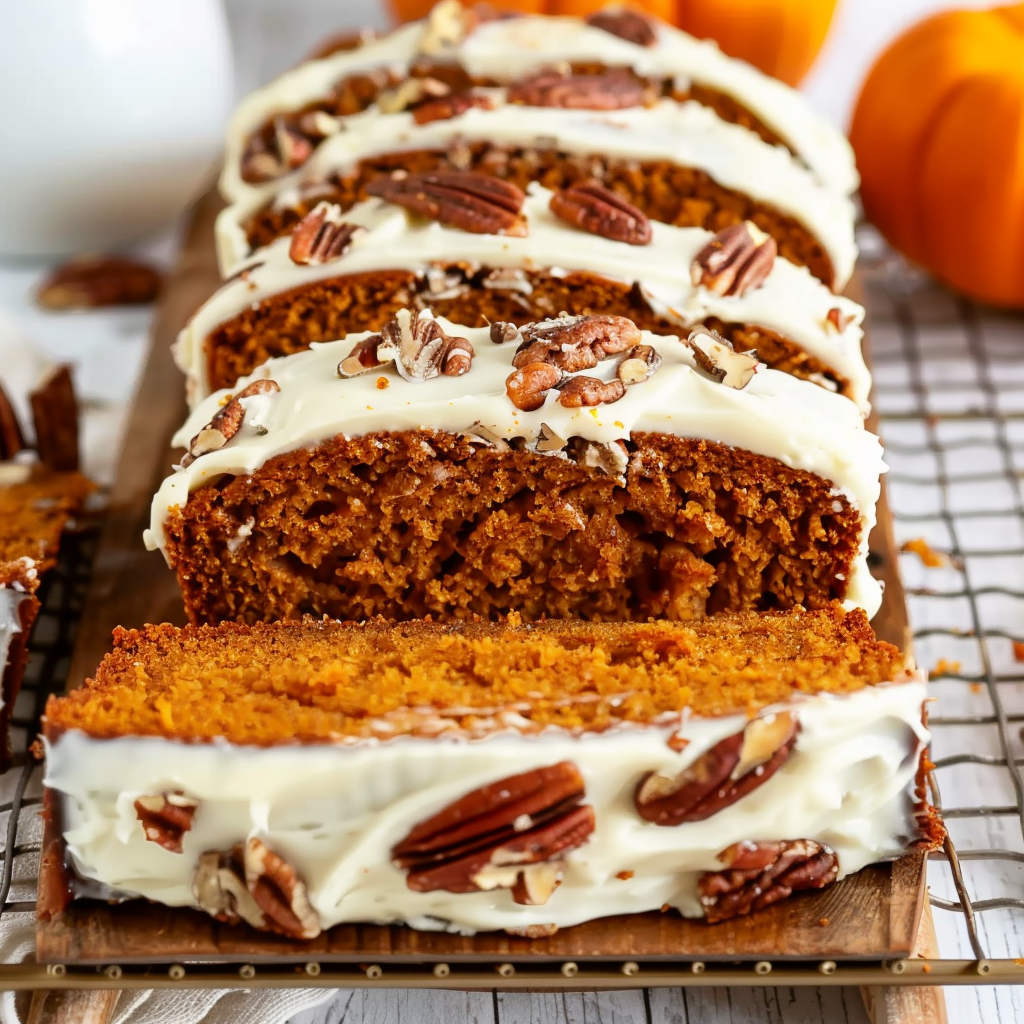
There’s something unmistakably comforting about the smell of pumpkin spice drifting from the oven on a crisp autumn day. Pumpkin loaf, with its warm spices and rich, moist crumb, is one of those timeless fall baking recipes that never go out of style. Whether you’re a seasoned baker or just looking for something easy to whip up on a weekend, this moist pumpkin bread delivers both simplicity and flavor.
Biting into a perfectly baked slice reveals why pumpkin bread recipes are a seasonal favorite. The dense yet tender texture, boosted by real pumpkin puree and aromatic spices like cinnamon, nutmeg, and cloves, creates the ultimate comfort food experience. This loaf pairs beautifully with your morning coffee, works great as an afternoon snack, and even doubles as a thoughtful homemade gift.
What sets this particular recipe apart is how reliably it delivers bakery-style results at home. Inspired by traditional quick bread techniques (source), it avoids the dryness common in lesser loaves thanks to a few clever ingredients—like orange juice for brightness and vegetable oil for moisture. If you’re looking for more inspiration, check out these fall baking ideas for seasonal treats to add to your rotation.
This guide will walk you through each step of creating the best pumpkin loaf ever—from mastering the ingredient mix to exploring delicious variations and pro baking tips. By the end, you’ll have a go-to pumpkin bread recipe that’s worthy of repeat bakes every fall.
2. Why This Is the Best Moist Pumpkin Bread Recipe
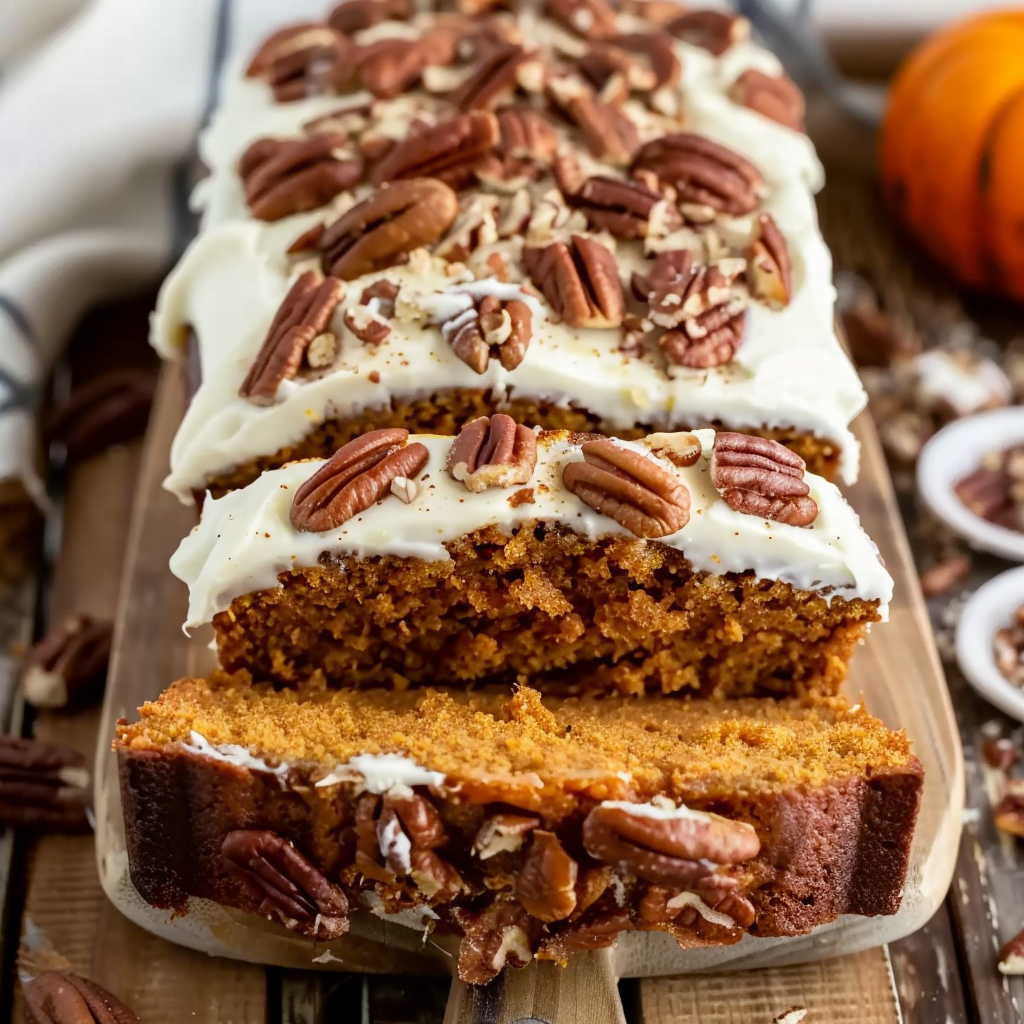
There are countless pumpkin bread recipes online, but not all deliver that ideal blend of moisture, flavor, and texture. What makes this particular moist pumpkin loaf the best comes down to a careful balance of ingredients, baking technique, and subtle enhancements that elevate it beyond the basics.
First, this recipe uses a generous amount of pure pumpkin puree, not pumpkin pie filling. The difference is significant—pure pumpkin adds dense moisture and rich flavor without any added sugars or spices, giving you full control over the taste. You can learn more about the nutritional profile and cooking uses of pumpkin here.
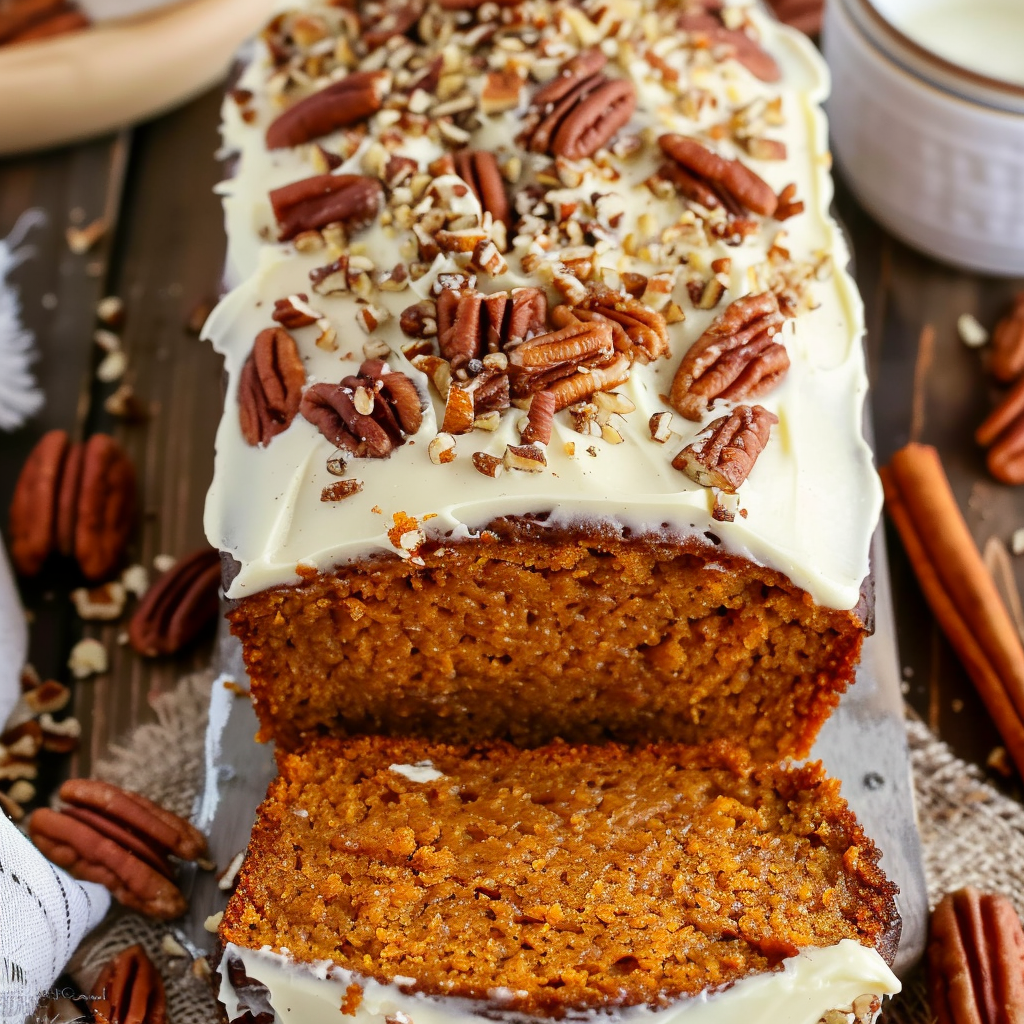
Next, the combination of vegetable oil and orange juice is key. Unlike butter, oil doesn’t firm up when cooled, which helps retain that soft texture even after a few days. The orange juice, while subtle, brightens the loaf and keeps it from tasting overly dense. For a visual idea of how vibrant and moist your loaf should look, scroll through these pumpkin loaf presentation ideas.
Then, there are the spices. The blend of cinnamon, nutmeg, ginger, cloves, and vanilla extract hits all the right notes of fall baking. These warm spices complement the pumpkin without overpowering it. Cinnamon and nutmeg, in particular, bring that unmistakable autumn flavor profile we crave this time of year.
Finally, it’s the simplicity that makes this recipe accessible. Using one bowl for dry and one for wet ingredients, it’s easy to mix and hard to mess up—making it ideal for beginners and experts alike. With the right loaf pan and technique, you’ll have consistent, bakery-worthy slices every time.
3. Ingredient Breakdown: What You’ll Need & Why
Creating the ultimate pumpkin loaf starts with understanding each ingredient’s role. Every component in this recipe contributes to its moist texture, warm flavor, and bakery-quality finish. Let’s break it down by category to highlight why these choices matter.
Dry Ingredients
-
All-purpose flour: Acts as the structural base of the loaf. It provides the right balance of protein to hold the loaf together without making it dense.
-
Baking soda: A powerful leavening agent (source) that reacts with the acidity in the orange juice to give the bread a gentle rise and light crumb.
-
Ground cinnamon: Delivers the familiar fall spice warmth. This is the dominant flavor and should always be fresh for maximum impact. Learn more about this essential spice here.
-
Ground nutmeg: Adds a subtle nutty sweetness. It complements cinnamon beautifully and enhances the earthy notes of the pumpkin. More details on nutmeg’s origins can be found here.
-
Ground cloves: Just a pinch brings depth. This spice can be strong, so use sparingly to prevent bitterness.
-
Ground ginger: Adds a slight sharpness and spice that cuts through the sweetness and warms the loaf from within.
-
Salt: Essential to balance sweetness and enhance the overall flavor profile.
Wet Ingredients
-
Pumpkin puree: The star of the show. Rich in moisture and flavor, this ingredient provides the signature dense texture and natural sweetness. Using canned pure pumpkin (not pie filling) ensures consistency. Learn more about its culinary uses here.
-
Granulated sugar and brown sugar: This mix adds both sweetness and depth. Brown sugar includes molasses, which keeps the bread soft and chewy.
-
Vegetable oil: Keeps the loaf tender and moist. Unlike butter, oil doesn’t solidify when cooled, so the texture remains soft for days.
-
Orange juice: A secret ingredient that adds a touch of acidity to activate the baking soda and brighten the flavor. It also contributes moisture and helps balance the spices.
-
Eggs: Bind the batter and contribute richness. They also help the loaf rise and maintain structure.
-
Vanilla extract: Adds warmth and aroma, rounding out the spice blend with subtle sweetness.
For a visual guide to variations and mix-ins you can experiment with, check out this collection of pumpkin bread variations.
Ingredient Substitutions
-
Oil alternatives: Melted butter can be used for flavor, though it results in a slightly firmer texture. For a lighter option, try applesauce or coconut oil (adds a hint of tropical flavor).
-
Orange juice swaps: Apple juice, buttermilk, or even milk plus orange zest can offer similar moisture with a twist.
-
Homemade pumpkin puree: If you prefer a more rustic touch, roast and puree a sugar pumpkin yourself for a fresh alternative.
Using high-quality spices and fresh ingredients will make a noticeable difference in the final result. For seasonal inspiration and ideas on presenting your loaf, browse through these Thanksgiving baking ideas.
Now that the ingredients are sorted, you’re ready to mix, bake, and transform them into a perfect pumpkin loaf.
4. Step-by-Step Instructions to Make Moist Pumpkin Loaf
Making this moist pumpkin bread is easier than you might expect. By following a simple mixing method and paying attention to a few key details, you can achieve that bakery-style texture and flavor every time.
Step 1: Preheat and Prep
-
Preheat your oven to 350°F (175°C). This ensures even baking from the moment your loaf hits the oven.
-
Grease a 9×5-inch loaf pan with butter or non-stick spray, or line it with parchment paper for easier removal. For a clean look and easy serving, consider one of these pumpkin loaf presentation ideas.
Step 2: Mix the Dry Ingredients
In a large mixing bowl, combine:
-
1 ¾ cups all-purpose flour
-
1 tsp baking soda
-
2 tsp ground cinnamon
-
½ tsp ground nutmeg
-
¼ tsp ground cloves
-
¼ tsp ground ginger
-
½ tsp salt
Whisk thoroughly to ensure the spices are evenly distributed, which is key for flavor consistency in every bite.
Step 3: Combine the Wet Ingredients
In a separate bowl, whisk together:
-
1 cup granulated sugar
-
½ cup brown sugar
-
2 large eggs
-
1 ½ cups pumpkin puree
-
½ cup vegetable oil
-
¼ cup orange juice
-
1 tsp vanilla extract
Mix until smooth. The batter should be rich and fragrant from the blend of pumpkin and spices. This mixture is what gives the loaf its moist crumb and subtle citrus lift. Using orange juice not only complements the pumpkin, but also activates the baking soda to create a lighter loaf.
Step 4: Combine Wet and Dry
-
Slowly pour the wet mixture into the bowl of dry ingredients.
-
Gently stir with a spatula or wooden spoon until just combined. Do not overmix—this is crucial. Overmixing develops gluten, which can make the loaf dense and tough.
Step 5: Pour and Smooth
-
Transfer the batter to your prepared loaf pan.
-
Smooth the top with a spatula to ensure even baking.
For ideas on garnishing the top of your loaf (e.g., adding pumpkin seeds, a streusel topping, or a cinnamon sugar crust), explore this Pinterest board on pumpkin bread variations.
Step 6: Bake
-
Place in the preheated oven and bake for 55 to 65 minutes.
-
The loaf is done when a toothpick inserted into the center comes out clean or with a few moist crumbs (not wet batter).
Tip: If the top begins to brown too quickly, loosely cover with foil during the last 10–15 minutes of baking.
Step 7: Cool
-
Let the loaf cool in the pan for 10 minutes.
-
Carefully remove it and place it on a wire rack to cool completely. Cooling allows the structure to set and prevents a gummy texture inside.
Once cooled, slice and enjoy with a hot cup of coffee or tea. To enhance the experience, serve it on a rustic wooden board for that classic fall baking aesthetic.
With this straightforward process and a few quality ingredients, you’re now equipped to bake the best pumpkin loaf recipe of the season.
5. Pro Tips for a Perfect Pumpkin Bread Every Time
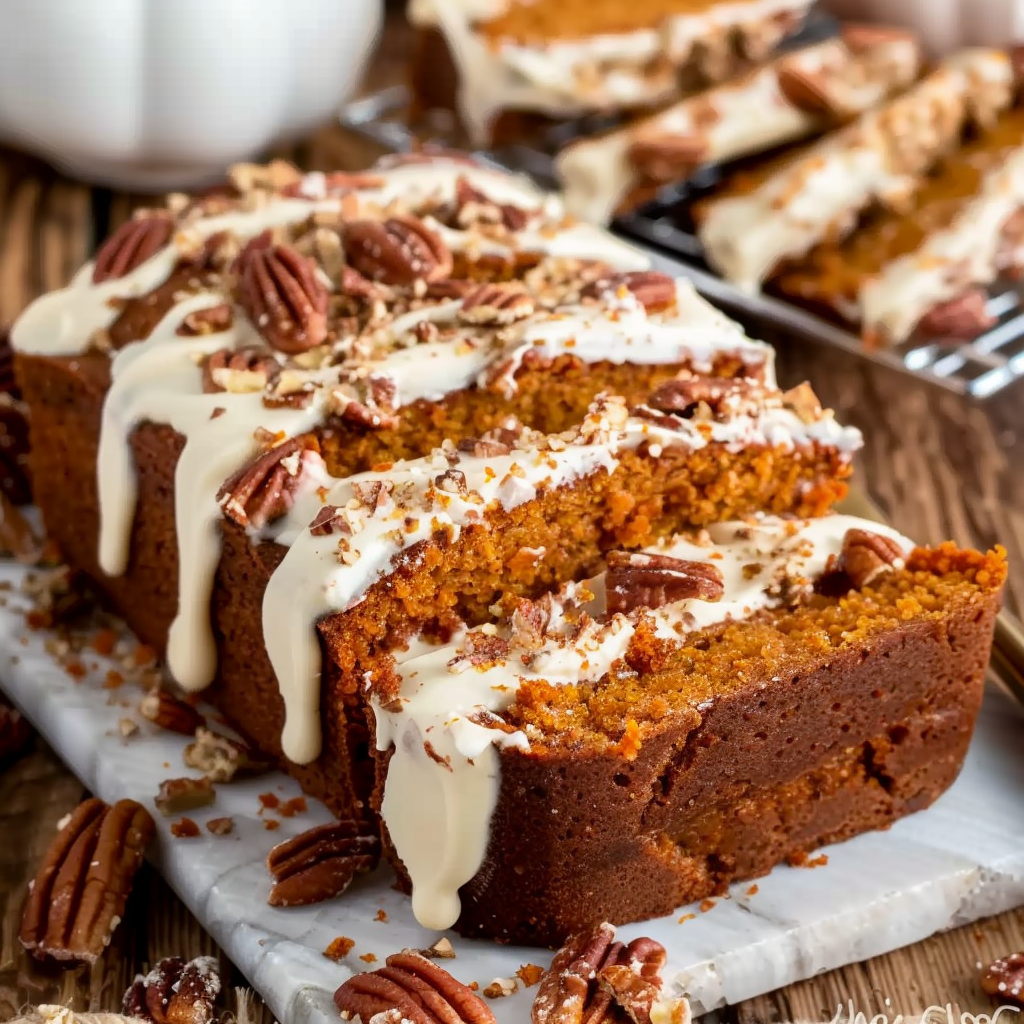
Even a simple pumpkin bread recipe can be elevated with a few insider techniques. These pro tips will help ensure your pumpkin loaf is perfectly moist, rises evenly, and delivers that soft, bakery-style texture every time you bake.
-
Use room temperature ingredients: Bringing your eggs and pumpkin puree to room temperature ensures they incorporate more smoothly into the batter, leading to even baking and a consistent crumb.
-
Don’t overmix the batter: After adding the dry ingredients to the wet, mix until just combined. Overmixing can result in a dense, rubbery loaf due to excess gluten development.
-
Use a light-colored loaf pan: Dark metal pans absorb more heat and can cause the edges of your loaf to bake too quickly, leaving the center undercooked. A light-colored or ceramic loaf pan promotes even baking.
-
Grease and flour the pan properly: Or line it with parchment paper for easy removal and a cleaner crust. This helps maintain the loaf’s structure during cooling.
-
Check for doneness at 55 minutes: Every oven is different. Insert a toothpick into the center—if it comes out clean or with a few moist crumbs, it’s ready. If it’s still wet, bake in 5-minute increments.
-
Cool completely before slicing: Cutting into the bread while it’s still warm can lead to a gummy or sticky center. Allow it to cool on a wire rack to set the crumb fully.
-
Rest the batter (optional): Letting the batter sit for 10–15 minutes before baking can help hydrate the flour and give the spices time to bloom, enhancing flavor.
For a finishing touch, explore gift packaging for baked goods if you plan to share your loaf during the holidays. These tips, combined with the right ingredients and process, will guarantee moist, flavorful pumpkin bread every time.
6. Delicious Variations to Try
Once you’ve mastered the base pumpkin bread recipe, it’s easy to customize your loaf with creative add-ins, toppings, and swaps. These pumpkin loaf variations not only keep things interesting but also let you cater to different tastes, dietary preferences, or seasonal events.
Add-Ins for Extra Flavor and Texture
-
Chocolate chips: Stir in ½ to ¾ cup of semi-sweet or dark chocolate chips for a rich, indulgent twist. The combination of pumpkin spice and chocolate is a fall favorite.
-
Chopped nuts: Add ½ cup of toasted walnuts or pecans for crunch and a nutty contrast to the moist crumb.
-
Dried fruits: Toss in ½ cup of dried cranberries, raisins, or chopped dates to add bursts of sweetness and chewiness.
-
Pumpkin seeds: Fold into the batter or sprinkle on top before baking for a rustic look and added texture.
To explore more creative versions, check out this curated collection of pumpkin bread variations for inspiration.
Ingredient Swaps for a Healthier or Different Twist
-
Maple syrup or honey: Replace up to ½ cup of sugar with maple syrup or honey for a naturally sweet flavor and added moisture.
-
Coconut oil: Swap out vegetable oil for coconut oil to add a slight tropical undertone and healthy fats. Just melt and cool it before mixing.
-
Whole wheat flour: Substitute half the all-purpose flour with whole wheat flour for a denser, heartier loaf.
Delicious Toppings and Finishing Touches
-
Streusel topping: Combine flour, brown sugar, butter, and cinnamon to create a crumbly topping. Sprinkle on before baking for a sweet, textured crust.
-
Cream cheese glaze: Drizzle a simple mix of cream cheese, powdered sugar, and milk over the cooled loaf for a bakery-style finish.
-
Cinnamon sugar crust: Dust the top of the batter with a mix of cinnamon and sugar before baking for a sweet, crackly top.
For festive occasions, these decorative toppings make your loaf a show-stopping addition to any Thanksgiving dessert table. Whether you stick to the classic or branch out with new twists, these variations ensure you’ll never get bored of this moist pumpkin loaf.
7. Storage Tips: How to Keep It Moist for Days
Proper storage is essential to preserving the flavor and moist texture of your pumpkin loaf. Whether you’re making it ahead for a gathering or want to enjoy a slice each day, these storage methods ensure your bread stays fresh.
-
Room temperature: Wrap the cooled loaf tightly in plastic wrap or foil and store in an airtight container. It will stay moist for up to 4 days at room temperature. Avoid refrigerating unless necessary, as it can dry the bread out.
-
Refrigeration (optional): If your kitchen is warm or you’ve added perishable toppings (like cream cheese glaze), store the loaf in the fridge. Wrap it well and place in an airtight container. It can last up to 1 week but may lose some moisture.
-
Freezing: This loaf freezes beautifully. Wrap it tightly in plastic wrap, then in foil, or store in a freezer-safe zip-top bag. Freeze whole or slice first for easy serving. It will stay fresh for 2 to 3 months. To thaw, leave at room temperature or gently warm slices in the microwave or toaster oven.
-
Reheating tip: A quick 10-second microwave warm-up brings back the soft, fresh-baked texture. For a crispy edge, toast lightly and serve with butter or cream cheese.
For visual ideas on storing and gifting, explore this Pinterest board on gift packaging for baked goods to present your loaf as a holiday treat or hostess gift.
8. Serving Suggestions
This pumpkin bread is incredibly versatile and can be served in a variety of delicious ways:
-
Breakfast: Toasted with a spread of butter or cream cheese alongside coffee or tea.
-
Snack: Enjoy a thick slice with warm apple cider or a spiced latte.
-
Dessert: Pair with a scoop of vanilla ice cream or top with whipped cream and a sprinkle of cinnamon.
-
Entertaining: Slice into small pieces for a fall-themed brunch board or potluck.
If you’re hosting a seasonal gathering, add this loaf to your fall baking lineup for an effortless, crowd-pleasing dish.
9. Common Mistakes to Avoid
Even with a simple pumpkin loaf recipe, a few common pitfalls can lead to dry, dense, or undercooked results. Here’s what to watch out for:
-
Overmixing the batter: Stirring too much after adding the dry ingredients can overdevelop gluten, leading to a tough loaf. Mix until ingredients are just combined.
-
Incorrect baking time: Always check doneness with a toothpick at the 55-minute mark. Overbaking can dry it out, while underbaking leaves it gummy inside.
-
Using the wrong pumpkin: Always use pure pumpkin puree, not pumpkin pie filling, which contains added sugar and spices that can throw off the recipe.
-
Skipping the cooling step: Slicing too early disrupts the structure. Let the loaf cool completely on a wire rack before cutting.
-
Ignoring ingredient quality: Fresh spices and good-quality oil make a huge difference in flavor and texture.
For more baking techniques, explore the foundations of quick breads to help you troubleshoot or adapt the recipe in the future.
10. Nutritional Overview (Optional)
While this isn’t a health recipe, it’s helpful to know what’s in each slice. Based on 10 servings, here’s an approximate nutritional breakdown per slice:
-
Calories: 270–300
-
Fat: 12–14g
-
Carbs: 38–40g
-
Sugar: 20–24g
-
Protein: 3–4g
You can adjust these numbers by using less sugar, whole wheat flour, or a sugar substitute. For a lighter version, consider using unsweetened applesauce in place of some oil.
11. FAQs: Moist Pumpkin Bread Recipe
Why is my pumpkin bread dry?
Overbaking is the most common cause. Check your loaf at the minimum recommended baking time. Also, make sure you’re measuring flour accurately—too much can dry out the batter.
Can I use fresh pumpkin instead of canned?
Yes. Roast and puree a sugar pumpkin until smooth. Be sure to drain excess water so the puree isn’t too thin. Learn more about pumpkin as an ingredient here.
How do I make pumpkin bread more moist?
Use oil instead of butter, don’t overbake, and avoid overmixing. Adding a touch of orange juice, as in this recipe, also helps retain moisture.
Can I turn this into muffins or mini loaves?
Absolutely. Pour the batter into muffin tins (fill ¾ full) and bake at 350°F for 18–22 minutes. For mini loaves, reduce bake time to about 35–40 minutes.
What happens if I use baking powder instead of soda?
Baking soda reacts with the acid (orange juice) in the recipe. Swapping for baking powder may not provide the same rise or texture unless other ingredients are adjusted.
Can I make this recipe gluten-free?
Yes, substitute a 1:1 gluten-free flour blend. Choose one with xanthan gum for the best texture. The rest of the ingredients are naturally gluten-free.
How long does pumpkin bread last?
Stored properly, it lasts 3–4 days at room temperature, up to a week in the fridge, or 2–3 months in the freezer.
If you’re looking to try even more fall-themed baking ideas, browse through this inspiring gallery of pumpkin loaf variations to discover your next version.
PrintUltimate Pumpkin Loaf The Moist Pumpkin Bread Recipe for Fall Baking
This moist pumpkin bread is the ultimate fall baking treat, packed with warm spices and real pumpkin puree. It bakes into a tender, flavorful loaf with a soft crumb and just the right balance of sweetness and spice. The secret to its incredible texture? A combination of vegetable oil, orange juice, and a rich blend of cinnamon, nutmeg, ginger, and cloves. Perfect for breakfast, dessert, or a holiday gift, this easy pumpkin loaf recipe will become your go-to all season long.
- Author: Clara
Ingredients
- 1 ¾ cups all-purpose flour
- 1 tsp baking soda
- 2 tsp ground cinnamon
- ½ tsp ground nutmeg
- ¼ tsp ground cloves
- ¼ tsp ground ginger
- ½ tsp salt
- 1 cup granulated sugar
- ½ cup brown sugar
- 2 large eggs
- 1 ½ cups pumpkin puree
- ½ cup vegetable oil
- ¼ cup orange juice
- 1 tsp vanilla extract
Instructions
Preheat oven to 350°F (175°C) and grease a 9×5-inch loaf pan.
In a large bowl, whisk together the flour, baking soda, cinnamon, nutmeg, cloves, ginger, and salt.
In a separate bowl, mix together the granulated sugar, brown sugar, eggs, pumpkin puree, vegetable oil, orange juice, and vanilla extract until well combined.
Gradually add the dry ingredients to the wet ingredients, mixing just until combined. Do not overmix.
Pour the batter into the prepared loaf pan and smooth the top.
Bake for about 55 to 65 minutes, or until a toothpick inserted into the center comes out clean.
Let the loaf cool in the pan for 10 minutes, then transfer to a wire rack to cool completely.
Notes
-
Use only pure pumpkin puree (not pumpkin pie filling) for the best results.
-
Don’t overmix once the dry and wet ingredients are combined.
-
Let the loaf cool completely before slicing for the best texture.
-
Customize your loaf with add-ins like chocolate chips, nuts, or dried fruit.
-
For extra flair, top with streusel or a cinnamon sugar crust before baking.
-
Stores well at room temperature and freezes beautifully for later.