The Allure of Rhubarb in the Kitchen
Rhubarb’s striking crimson stalks and distinctive tartness have charmed chefs for generations—earning it the nickname “pie plant,” yet its uses extend far beyond classic pies. At peak season, its lively tang balances beautifully with sweetness, lending a bright, uplifting note to everything from simple compotes to decadent desserts.
In this guide, you’ll learn how to handle rhubarb like a pro: from effortless dump cake assemblies to baking moist rhubarb cakes, plus tips for freezing stalks so you can enjoy their flavor year‑round. Whether you’re selecting stalks for the first time or exploring inventive recipes, each section offers clear, step‑by‑step advice. For botanical details, check out our deep dive on rhubarb’s origins, and for preservation techniques, visit our freezing and preserving foods resource.
Get ready to elevate humble rhubarb into show‑stopping creations. We’ll cover essential prep methods, flavor‑pairing suggestions (think berries, herbs, and special spice blends), and storage solutions to suit both novice cooks and experienced bakers alike. Dive into our “Why Rhubarb Deserves a Place in Your Kitchen” segment for inspiration on seasonal combinations and advanced preserving strategies.

Why You Should Embrace Rhubarb in Your Kitchen
Rhubarb’s vibrant tang and subtle sweetness make it a year‑round culinary hero—enhancing everything from savory glazes to decadent sweets. Here’s what makes this “pie plant” indispensable:
-
Nutrition boost: Packed with vitamin C and fiber for a wholesome lift.
-
Light yet lively: Low in calories but rich in antioxidants that brighten dishes.
-
Seasonal star: Peaks in spring and early summer, bringing fresh, lively flavor to your table.
-
Sustainable choice: As a perennial, it reappears each year with minimal garden waste.
-
Flavor complexity: Natural acids like tartaric acid add a refreshing zing—learn more on our natural acids in cooking page.
-
Prep made easy: Follow best practices in our Selecting & Prepping Rhubarb guide for perfect slices every time.
-
Versatile pairings: Complements berries, ginger, and warm spices beautifully—see creative ideas in our rhubarb cake styling gallery.
-
Expert techniques: Hone your skills with pro pointers in Mastering Rhubarb Dump Cake for flawless, crowd‑wowing desserts.
Choosing, Washing & Preparing Rhubarb
Getting rhubarb ready correctly guarantees even cooking and the best flavor. Here’s how to handle it from selection to slicing:
-
Pick the best stalks:
-
Look for firm, unblemished stems with a glossy sheen.
-
Opt for deep red or vibrant green hues, which signal peak ripeness.
-
Gently bend a stalk—if it snaps crisply, it’s perfectly fresh.
-
-
Clean and trim:
-
Rinse each stalk thoroughly under cold running water to wash away any grit.
-
Using a sharp knife, remove the leafy tops and the tough, fibrous base.
-
-
Cut for consistency:
-
On a clean cutting board, slice the stalks into uniform 1‑inch pieces.
-
Even sizes ensure the rhubarb cooks through at the same rate and minimize waste.
-
-
Tame the tartness (optional):
-
Sugar maceration: Toss the pieces with a little granulated sugar, let them sit for 10 minutes, then drain off the liquid.
-
Quick blanch: Immerse stalks in boiling water for 30 seconds, then transfer immediately to an ice bath.
-
These steps soften tough fibers, reduce sharp acidity, and prep your rhubarb for everything from crisp compotes to perfectly tender dump cakes. Always pat the pieces dry before incorporating them into batters or layering in desserts to prevent excess moisture—and check out our “Why Rhubarb Deserves a Place in Your Kitchen” guide for more pairing ideas.
Mastering Rhubarb Dump Cake
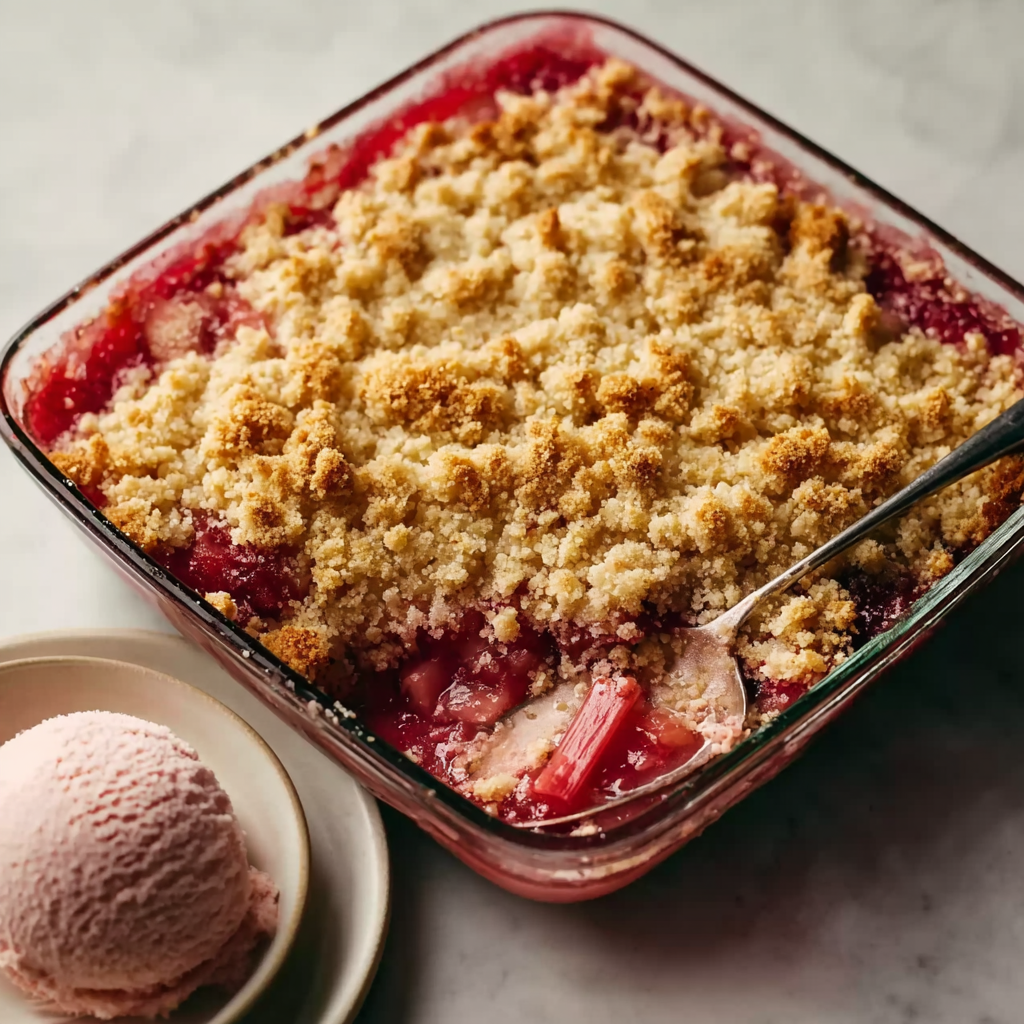
The rhubarb dump cake is the ultimate easy dessert, combining tangy stalks with a golden, buttery crust. Ideal for busy weeknights or potlucks, this recipe yields impressive flavor with minimal effort. Assemble ingredients, layer strategically, and bake until bubbling—no mixer required.
Ingredients:
-
4 cups fresh rhubarb pieces, 1-inch chopped
-
1 cup granulated sugar
-
1 teaspoon pure vanilla extract
-
1 box yellow cake mix (15.25 oz)
-
½ cup unsalted butter, melted
-
½ teaspoon ground cinnamon (optional)
Assembly Method:
-
Preheat oven to 350°F (175°C).
-
Toss rhubarb with sugar and vanilla in a large bowl.
-
Spread coated pieces evenly in a 9×13-inch baking dish.
-
Sprinkle dry cake mix uniformly over the fruit layer.
-
Drizzle melted butter to cover most of the surface.
-
Optionally, add cinnamon for warmth.
For creative riffs, explore the inspirational rhubarb recipes board or browse easy dump cake variations to spark new ideas. These fruit-forward adaptations blend berries, spices, or nuts for a personalized twist. Spring recipes aficionados also appreciate tips from our Selecting, Cleaning & Prepping Rhubarb section to ensure each bite balances tartness and sweetness.
Flavor Variations & Mix-Ins:
-
Strawberry-rhubarb fusion with 2 cups quartered berries
-
Ginger cardamom blend, adding ½ teaspoon each ground ginger and cardamom
-
Nutty streusel topping: combine oats, brown sugar, and chopped pecans
-
Citrus zest enhancement with grated lemon or orange peel
Troubleshooting Common Issues:
-
Soggy topping: ensure even butter distribution and use cold butter chunks.
-
Dry fruit: increase sugar or maceration time to draw out moisture.
-
Uneven browning: rotate dish halfway through baking.
-
Burnt edges: cover corners with foil during the last 10 minutes.
Presentation & Serving:
-
Serve warm with vanilla ice cream or whipped cream dollop.
-
Garnish with mint sprigs or candied rhubarb ribbons.
-
Plate on a bed of lightly sweetened compote for contrast.
-
Offer alongside a refreshing iced tea inspired by our summer dessert inspiration guide.
Once you’ve mastered the dump cake, advance to Baking the Perfect Rhubarb Cake for more refined techniques and textures. In our upcoming Baking the Perfect Rhubarb Cake section, you’ll discover advanced techniques for achieving tender crumb and balanced moisture. Prepare to elevate your rhubarb desserts to bakery-level perfection. Stay tuned to learn how to deliciously pair rhubarb with citrus, herbs, and spices.

Baking the Perfect Rhubarb Cake
Crafting a rhubarb cake involves balancing moisture, texture, and flavor to achieve a tender crumb that highlights the plant’s unique tartness. A well-made rhubarb cake should showcase speckled pink ribbons, offering juicy bursts of flavor without soggy crumb or heavy density.
Classic Bundt or Layer Cakes:
For an elegant presentation, choose a Bundt pan or a two-layer springform silhouette. Incorporate diced rhubarb into the batter to prevent sinking; brief stirring ensures even distribution. For design inspiration, review our rhubarb cake styling gallery, and revisit Mastering Rhubarb Dump Cake for complementary dessert ideas. Always grease and flour pans thoroughly to facilitate release and preserve cake shape.
Texture Tips:
Balancing moisture is critical; opt for cake flour or pastry flour to lighten the crumb. Substitute buttermilk or yogurt for part of the liquid to boost tenderness. Gently fold prepped rhubarb into batter using a spatula, as overmixing can deflate air pockets. For precise cutting and sugar balance, see our Selecting, Cleaning & Prepping Rhubarb guide. If using frozen stalks, follow government tips for freezing fruit to maintain cell structure.
Flavor Enhancers:
Elevate sweetness by folding in citrus zest—lemon, orange, or lime—while vanilla, almond, or ginger extracts add aromatic depth. Swirl a ribbon of jam or compote through the batter for visual appeal, incorporating flavored syrups or honey to accent rhubarb’s brightness. Spices like cinnamon, nutmeg, or cardamom complement natural tartness, while a pinch of salt intensifies overall taste. Optionally fold in ½ cup chopped walnuts or almonds to enhance crunch and nutritional value. For crumb topping inspiration, refer to fruit crisp variations, adapting oatmeal streusels for added crunch.
Decor & Finishes:
After cooling, dust with powdered sugar or brush with simple syrup to lock moisture. Glaze with lemon icing—just powdered sugar and citrus juice—for glossy contrast. Top with candied rhubarb ribbons or edible flowers. Cut slices with a hot knife for clean edges, serving alongside tea or coffee. Store leftover slices in an airtight container at room temperature for up to two days or refrigerate for up to four days. Reheat gently in a 300°F oven for 5 minutes to restore warmth. Enjoy immediately, chilled.
Freezing Rhubarb for Year-Round Desserts
Freezing rhubarb captures its bright flavor and preserves texture, letting you enjoy seasonal stalks anytime. Unlike canning or making jam, freezing retains natural juices and color without added sugar. Use proper techniques to avoid freezer burn and maintain cell structure, ensuring delicious results in future recipes.
Why Freeze vs. Preserve
-
Freezing maintains original tartness and crispness
-
No need for water bath or added preservatives
-
Quick prep with minimal equipment
-
Ideal for smoothies, compotes, and cobbler bases
Step-by-Step Freezing Method
-
Prep Stalks: Trim leaves and cut rhubarb into 1-inch pieces.
-
Flash-Freeze: Spread single layer on baking sheet; freeze for 1 hour.
-
Portion & Pack: Transfer to labeled freezer bags or containers, removing air.
-
Seal & Store: Vacuum-seal or press out excess air; label with date.
-
Housekeeping: Return bags to freezer upright for efficient stacking.
Shelf Life & Storage Tips
-
Store at 0°F (-18°C) or below for up to 12 months
-
Use within 6 months for best quality in muffins and smoothies
-
Keep consistent temperature; avoid freezer door fluctuations
-
Rotate stock: oldest bags in front
-
Label each bag with batch date and portion for snack-driven meal planning
After freezing, thaw rhubarb pieces briefly in the refrigerator or add directly to hot pans for compote. Frozen stalks work beautifully in Mastering Rhubarb Dump Cake and in quick shrubs, sauces, or glazes. For creative ideas using frozen fruit, see our Creative Uses for Frozen Rhubarb section.
In addition to desserts, frozen rhubarb shines in quick breads and muffins. Fold partially thawed pieces into batter, bake per recipe. You can also stir into pancake batter or swirl into yogurt bowls.
Creative Uses for Frozen Rhubarb
Frozen rhubarb isn’t just for desserts; it unlocks quick, vibrant additions across recipes. Add thawed stalks to smoothies for tangy depth, or blend with berries into a bright compote. For cocktail enthusiasts, a rhubarb shrub or simple syrup is just a simmer away—see our Creative Uses for Frozen Rhubarb guide for inspiration. Incorporate into muffin or quick-bread batters by folding partially thawed pieces, ensuring even distribution. Top pancakes or waffles with warmed chunks tossed in cinnamon sugar. Beyond sweet, sauté frozen rhubarb with onions for a savory chutney, perfect alongside grilled meats or cheese boards and easy seasonal fruit crisps.

Rhubarb Dump Cake FAQs
Can I use frozen rhubarb in my dump cake?
Absolutely—toss partially thawed rhubarb pieces into the fruit layer and extend baking time by about 5 minutes for optimal texture.
What’s the best way to tame tartness?
Coat stalks in sugar and let sit for 10 minutes, then drain off the excess liquid. You can also blanch briefly in boiling water and shock in ice to mellow acidity.
How do I slice rhubarb with minimal waste?
Trim off leafy tops and bases, then cut into uniform 1‑inch segments. Consistent pieces bake evenly and avoid stringy fibers.
Can I freeze leftover rhubarb dump cake?
Yes—once cooled, wrap individual slices tightly in foil and freeze flat for up to three months.
How long does fresh rhubarb stay good?
Store unwashed stalks in a plastic bag in the fridge for up to a week, rotating them occasionally for even freshness.
Are rhubarb leaves edible?
No—the leaves contain toxic oxalic acid and should always be discarded.