Cozy Fall Comfort Food
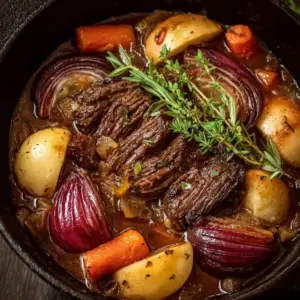
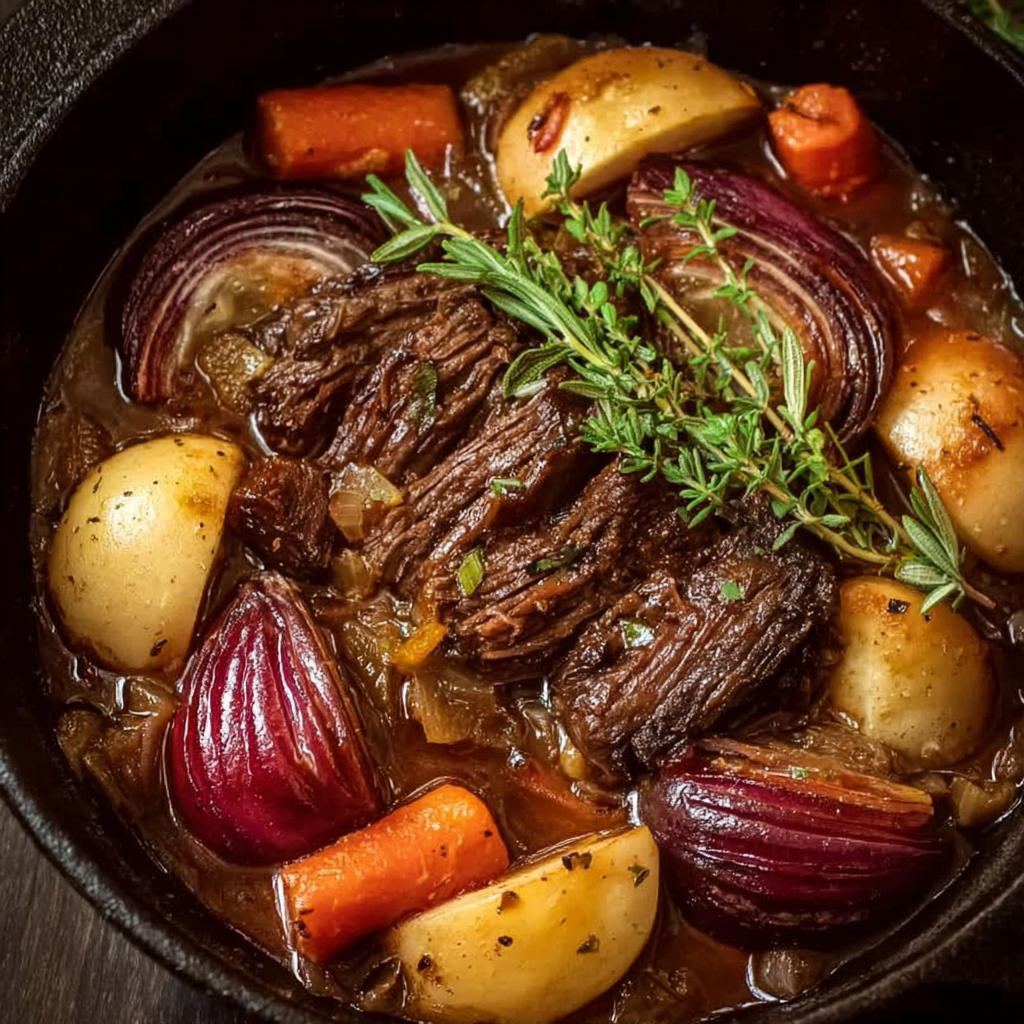
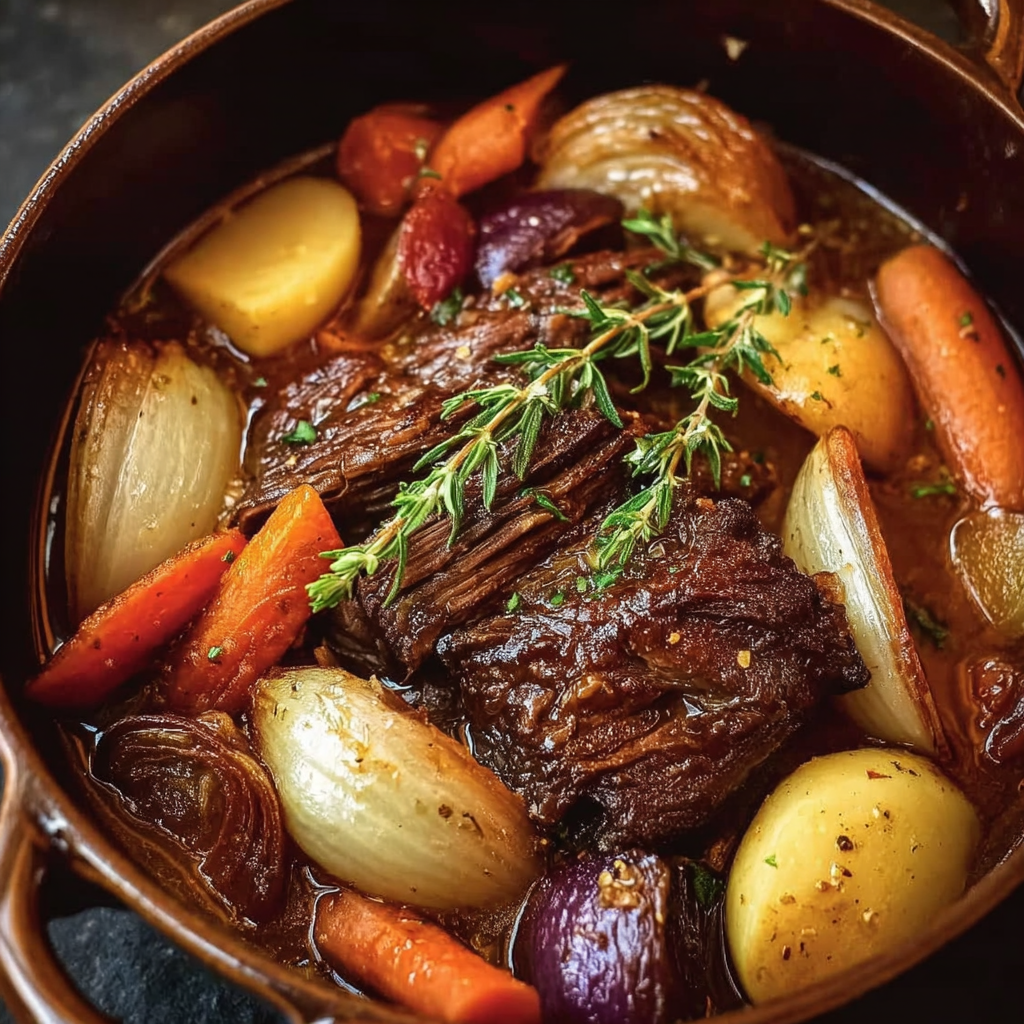
As the crispness of autumn settles in, there’s nothing more satisfying than a warm, slow-cooked meal that fills your kitchen with comforting aromas. Slow cooked cider beef with apples offers exactly that—a tender, savory dish infused with sweet and tangy fall flavors. This recipe brings together hearty beef, tart apples, and rich apple cider in a one-pot format that’s both rustic and elegant.
More than just a meal, this is fall comfort food at its best—perfect for family dinners, cozy weekends, or casual get-togethers. If you’re looking for something that’s both simple and deeply flavorful, this dish delivers. Unlike typical stews, the addition of cider and apples offers a seasonal twist that sets this recipe apart. The technique of braising—a method where meat is seared then simmered in liquid—ensures melt-in-your-mouth results. Learn more about braising and why it’s ideal for tough cuts like chuck roast.
If you’re new to one-pot meals, this is a great place to start. They’re convenient, minimize cleanup, and allow flavors to build naturally over time. This recipe also fits seamlessly into your fall dinner ideas collection, standing alongside dishes like butternut squash soup and roasted root vegetables. On Pinterest, searches for fall comfort food have surged, and this apple cider beef deserves a place in your recipe rotation.
From its enticing aroma to its fork-tender texture, every element of this dish is crafted for comfort. Whether served over creamy mashed potatoes, spooned onto rice, or enjoyed with crusty bread, this apple cider braised beef is a celebration of all things autumn—simple, seasonal, and soul-warming.
Why Use Apple Cider in Beef Recipes?
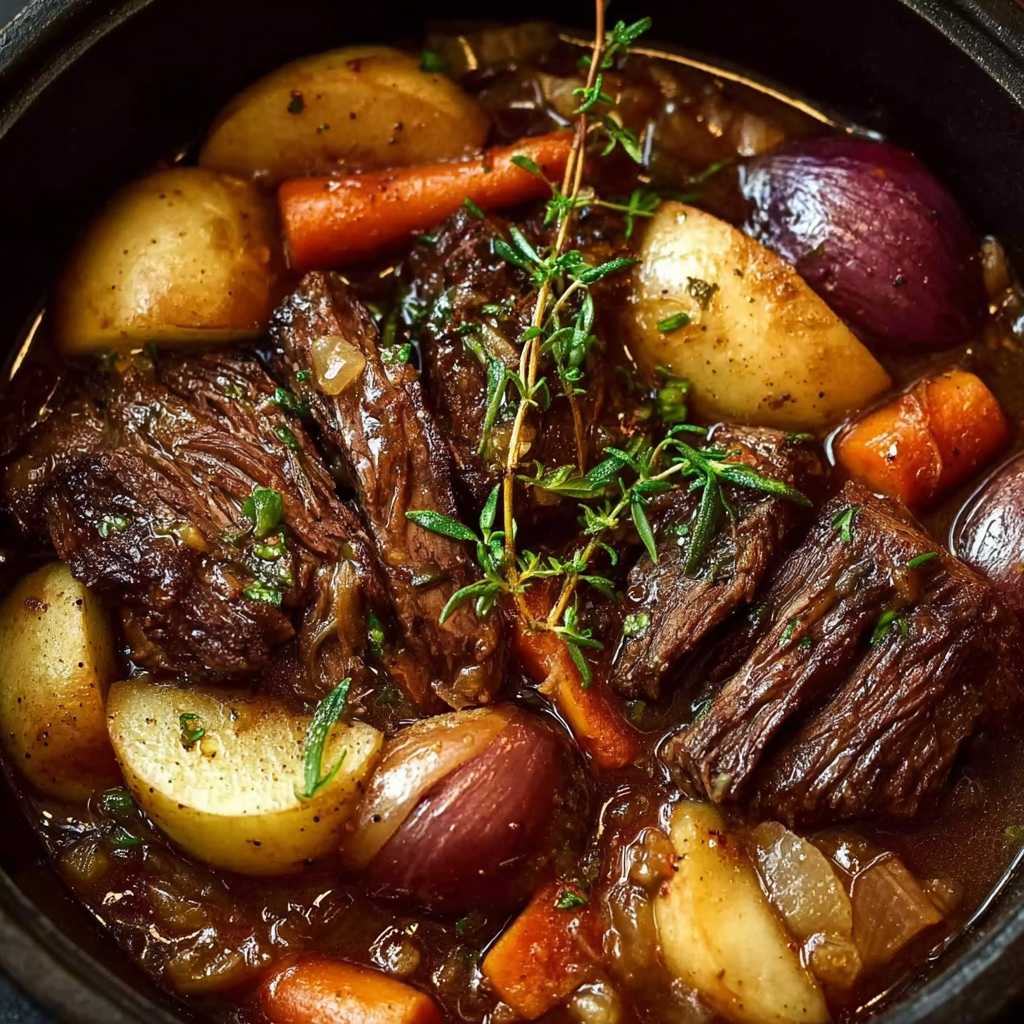
When it comes to elevating beef dishes, few ingredients offer the complexity and balance of apple cider. This seemingly simple beverage brings sweetness, acidity, and depth to slow-cooked recipes, especially when paired with rich cuts of beef like chuck roast. Using apple cider not only enhances the flavor but also improves the texture by helping to tenderize the meat during the braising process.
The key difference between apple cider and apple juice lies in how they’re processed. While both come from pressed apples, cider is typically unfiltered and sometimes fermented, giving it a bolder, more robust flavor. In this recipe, the non-alcoholic version of apple cider is ideal. Its natural sweetness contrasts beautifully with the savory beef and earthy aromatics like onions and garlic. If you’re curious about the specifics, this guide on apple cider explains the differences in more detail.
Apple cider also acts as a gentle acid, which means it helps break down the collagen in tougher cuts like chuck roast. The result is ultra-tender beef that practically falls apart after a few hours of simmering. The acidity is balanced by the dish’s other ingredients—apples, Dijon mustard, and apple cider vinegar—all of which contribute layered flavor without overpowering the main ingredient.
According to Pinterest trends on apple cider recipes, home cooks are increasingly using this ingredient in savory applications, not just drinks or desserts. From glazes and marinades to soups and braises, apple cider adds a unique seasonal flair that’s especially welcome during the colder months.
When planning your fall meals, think of apple cider as more than a beverage—it’s a dynamic cooking ingredient that enhances both flavor and texture. Pairing it with beef creates a meal that’s not just hearty but rich in autumnal flavor. Whether you’re cooking for a crowd or meal prepping for the week, this recipe captures the essence of fall in every bite.
Ingredients Deep Dive
A standout recipe begins with standout ingredients. For slow cooked cider beef with apples, every component plays a specific role in building flavor, texture, and aroma. Understanding the ingredients in depth helps ensure the final dish is rich, tender, and perfectly balanced.
Beef Chuck Roast
This is the ideal cut for braising. Chuck roast comes from the shoulder of the cow, which means it’s well-marbled with fat and connective tissue. During the slow cooking process, that tissue breaks down, resulting in incredibly tender beef. Learn more about beef chuck roast and why it’s so widely used in slow-cooked recipes.
Apple Cider
The non-alcoholic apple cider used here adds a natural sweetness and gentle acidity. It’s different from apple juice—less filtered, richer in flavor, and often made from a mix of apple varieties. Apple cider not only enhances the taste but also helps break down the tough fibers in beef. If you’re out of cider, consider low-sugar apple juice or even a mix of broth and a splash of apple cider vinegar as a backup. For additional inspiration, check apple cider recipes on Pinterest.
Apples
Cooking apples should hold their shape and offer a balance between sweet and tart. Great choices include:
-
Honeycrisp
-
Braeburn
-
Fuji
These varieties soften during cooking without becoming mushy. Check out this list of apple cultivars for more options.
Onions and Garlic
These aromatics create the flavor foundation. Onions become sweet and golden as they cook, while garlic adds depth. Combined, they provide a savory balance to the cider’s sweetness.
Dijon Mustard
This ingredient may seem minor but it adds a subtle tang and sharpness that keeps the dish from tasting too sweet. Learn about Dijon mustard and why it’s commonly used in braises and marinades.
Fresh Thyme
Earthy and herbal, thyme works beautifully with both beef and apples. You can use fresh or dried thyme, but fresh is preferred for the most aromatic results.
Apple Cider Vinegar
Just a tablespoon boosts the acidity and adds brightness to cut through the richness. It’s especially important when balancing the dish in the final 30 minutes of cooking.
Flour (Optional)
A simple flour and water slurry helps thicken the sauce toward the end of cooking. You can skip this if you prefer a thinner broth-style sauce.
By selecting the right ingredients and understanding how they work together, you’re guaranteed to create a dish that delivers on all fronts—flavor, comfort, and that undeniable fall essence.
Step-by-Step Cooking Instructions with Tips
1. Season the Beef
Start by cutting 2 pounds of beef chuck roast into large chunks. Season generously with salt and pepper on all sides. This base seasoning is crucial as it builds the first layer of flavor.
2. Sear the Meat
In a heavy-bottomed Dutch oven, heat 2 tablespoons of olive oil over medium-high heat. Sear the beef in batches to avoid overcrowding. Brown all sides deeply—this caramelization process adds depth and complexity. Set browned beef aside.
3. Sauté Aromatics
In the same pot, add sliced onions and cook until golden and soft, about 5–7 minutes. Stir frequently to avoid burning. Add minced garlic and cook for one minute until fragrant.
4. Deglaze with Apple Cider
Pour in 2 cups of apple cider, using a wooden spoon to scrape up all the browned bits at the bottom of the pan. This deglazing step captures every bit of seared flavor. For more on why this works, check out this article on braising techniques.
5. Add Flavorings
Stir in 1 tablespoon of Dijon mustard and 2 teaspoons of fresh thyme. These ingredients infuse the braising liquid with herbal and tangy notes that complement the cider.
6. Return the Beef
Nestle the browned beef back into the pot, ensuring it’s mostly submerged in the liquid. Cover, reduce heat to low, and simmer gently for 2 to 2½ hours. The beef should be fork-tender and infused with the sweet-savory flavors of the braising liquid.
7. Add Apples and Vinegar
During the last 30 minutes of cooking, add the sliced apples and 1 tablespoon of apple cider vinegar. This timing ensures the apples hold their texture and the vinegar brightens the final dish.
8. Thicken (Optional)
For a thicker sauce, mix 1 tablespoon of flour with 2 tablespoons of water. Stir this slurry into the pot during the last 10 minutes of cooking, allowing it to simmer and thicken.
9. Serve and Enjoy
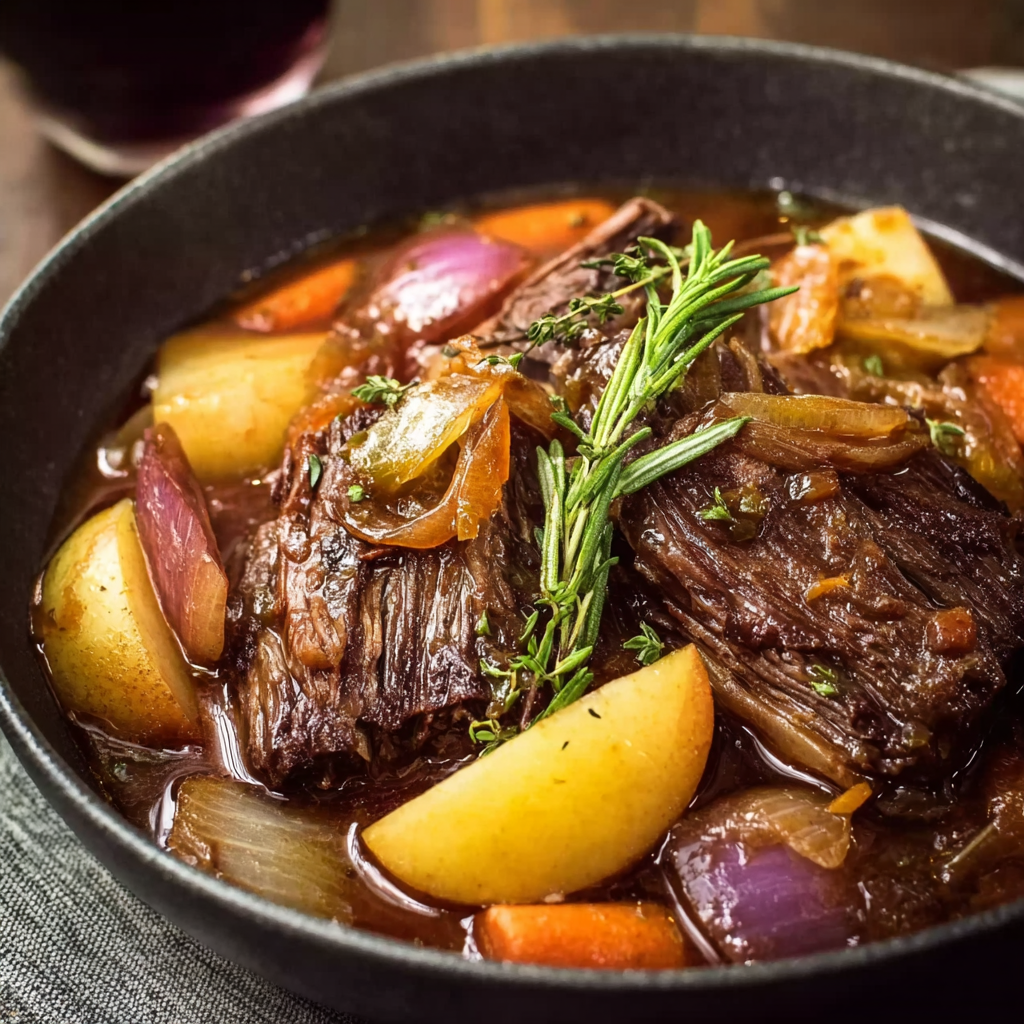
Serve warm, spooning the beef, apples, and onions into bowls. Pour the cider sauce over the top and pair with mashed potatoes, wild rice, or a slice of crusty bread for soaking up every drop.
This dish is perfect for cozy dinner ideas—you can find more like it on Pinterest.
Serving Suggestions & Pairings
This apple cider braised beef is as versatile as it is delicious. Depending on the occasion, you can pair it with a variety of sides to match the mood—whether it’s a casual weeknight meal or a fall gathering.
Best Sides
-
Mashed potatoes: Creamy and smooth, they soak up the rich cider sauce perfectly.
-
Wild rice or brown rice: Adds a nutty flavor and hearty texture.
-
Crusty bread: A must for wiping up every bit of the flavorful sauce.
Drink Pairings
-
Non-alcoholic apple cider: Complements the dish’s flavors without overpowering.
-
Red wine: A medium-bodied wine like Pinot Noir balances the sweetness and richness.
-
Herbal tea: Chamomile or thyme tea creates a soothing dining experience.
Toppings & Garnishes
-
Fresh thyme leaves
-
Chopped parsley
-
Crispy shallots or fried onions
With options like these, it’s easy to personalize the meal to your taste while staying true to its rustic roots. For more one-pot meals that offer similar comfort, check out this collection on Pinterest.
Slow Cooker & Dutch Oven Variations
This dish adapts beautifully to both the slow cooker and the Dutch oven, offering flexibility for your schedule and kitchen setup.
Slow Cooker Method
-
Sear the beef and sauté the onions and garlic in a pan first for maximum flavor.
-
Transfer everything to the slow cooker and add cider, mustard, thyme, and beef.
-
Cook on Low for 7–8 hours or High for 4–5 hours.
-
Add apples and vinegar during the last hour.
-
Optional: Use a cornstarch or flour slurry for thickening at the end.
Dutch Oven Method
-
Perfect for stovetop-to-oven cooking.
-
After searing and adding liquids, cover and transfer to a preheated oven at 300°F (150°C).
-
Bake for 2½ to 3 hours until beef is tender.
-
Add apples and vinegar 30 minutes before the end of cooking time.
Tips for Scaling the Recipe
-
Double the ingredients for meal prep or entertaining.
-
Freeze half for another cozy night—you’ll thank yourself later.
If you enjoy slow cooker beef recipes, explore this Pinterest board for more delicious options.
Nutrition & Dietary Notes
This dish is both hearty and surprisingly adaptable for different dietary needs.
Per Serving (approximate):
-
Calories: 410
-
Protein: 35g
-
Fat: 20g
-
Carbs: 25g
Gluten-Free Option
-
Omit the flour or substitute with cornstarch to keep it gluten-free.
Lower Sugar Alternative
-
Use unsweetened apple cider or reduce the quantity slightly.
-
Avoid adding extra sweeteners or sweet apples like Gala.
Lower Sodium Version
-
Use low-sodium mustard and limit added salt.
-
Season lightly and adjust to taste near the end of cooking.
For those seeking balanced fall comfort food, this recipe delivers flavor without excessive heaviness.
Storing & Reheating Leftovers
Apple cider braised beef gets even better the next day, making it ideal for leftovers.
Refrigeration
-
Store in an airtight container for up to 4 days.
-
Reheat gently on the stovetop or in the microwave.
Freezing
-
Cool completely before freezing.
-
Use freezer-safe containers or bags and store for up to 3 months.
-
Thaw overnight in the fridge before reheating.
Reheating Tips
-
Add a splash of broth or cider when reheating to refresh the sauce.
-
Heat slowly to avoid drying out the meat.
This dish is a perfect example of how one-pot meals not only save time but keep on giving with flavor-packed leftovers.
Variations on the Recipe
Want to make this dish your own? Try these delicious variations that stay true to the spirit of the original but allow for creativity in the kitchen.
Add-In Vegetables
-
Carrots, parsnips, or potatoes can be added with the beef.
-
Root vegetables hold up well in long braises and add nutrition.
Warm Spices
-
A cinnamon stick or a pinch of clove or star anise enhances the fall profile.
-
Use spices sparingly to avoid overpowering the cider flavor.
Protein Swaps
-
Pork shoulder or boneless chicken thighs also work beautifully with cider.
-
Adjust cook time—chicken takes about 1½ hours total.
New Serving Ideas
-
Serve over creamy polenta or egg noodles for a comforting twist.
-
Top with caramelized apples for a sweet-savory contrast.
Pinterest is filled with cozy dinner ideas that show just how versatile dishes like this can be.
FAQs – Based on ‘People Also Ask’ Section
Can I use apple juice instead of cider in this recipe?
Yes, but choose unsweetened apple juice. Apple cider has a deeper, more complex flavor, so juice is a lighter alternative. Add a splash of apple cider vinegar to boost acidity.
What cut of beef is best for slow cooking?
Chuck roast is ideal thanks to its marbling and connective tissue. These elements break down beautifully during braising. Learn more about chuck steak.
Can I make this recipe ahead of time?
Absolutely. The flavor actually improves after a day in the fridge. Reheat slowly for best results.
What are the best apples to cook with beef?
Firm, tart apples like Braeburn, Honeycrisp, or Granny Smith work best. They hold their shape and contrast nicely with the beef’s richness. Explore apple cultivars for more ideas.
Is it okay to use alcoholic cider for braising?
Yes, dry alcoholic cider can be used for a more complex, less sweet flavor. Just make sure the alcohol is simmered out during cooking.
Slow Cooked Cider Beef with Apples – A Hearty, One Pot Comfort Food
This Apple Cider Braised Beef with Apples is a cozy, one-pot fall recipe featuring tender beef chuck, caramelized onions, fresh apples, and aromatic thyme, all simmered in rich apple cider. Finished with a splash of apple cider vinegar and served warm, it’s a comforting dish that’s easy enough for weeknights and elegant enough for guests.
- Author: Clara
Ingredients
- 2 pounds beef chuck roast, cut into large chunks
- Salt and pepper, to taste
- 2 tablespoons olive oil
- 2 medium onions, thinly sliced
- 3 cloves garlic, minced
- 2 cups apple cider (non-alcoholic)
- 1 tablespoon Dijon mustard
- 2 teaspoons fresh thyme leaves (or 1 teaspoon dried thyme)
- 2 apples, cored and sliced
- 1 tablespoon apple cider vinegar
- 1 tablespoon flour (optional, for thickening)
Instructions
Season the beef chunks with salt and pepper.
In a large Dutch oven or heavy pot, heat olive oil over medium-high heat. Sear the beef in batches until browned on all sides. Remove and set aside.
In the same pot, add onions and cook until softened and golden, about 5 to 7 minutes. Add garlic and cook for another minute.
Pour in the apple cider, scraping up any browned bits from the bottom. Stir in Dijon mustard and thyme.
Return the beef to the pot, nestling it into the liquid. Bring to a simmer, then cover and reduce heat to low. Let it braise gently for 2 to 2½ hours, or until the beef is tender.
Add apple slices and apple cider vinegar to the pot during the last 30 minutes of cooking.
For a thicker sauce, mix flour with a bit of water to make a slurry and stir it in during the last 10 minutes.
Serve warm in bowls, spooning the apples, onions, and cider sauce over the beef.
Notes
-
Use a Dutch oven or slow cooker for best results.
-
Add apples later in the cook time to prevent them from turning mushy.
-
Make a double batch—it’s even better the next day.
-
For a thicker sauce, add a flour or cornstarch slurry during the last 10 minutes.
-
Pair with mashed potatoes, wild rice, or crusty bread for a complete meal.