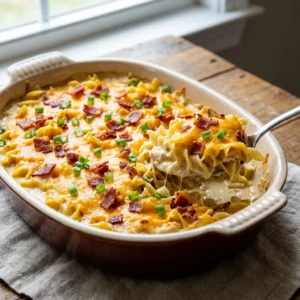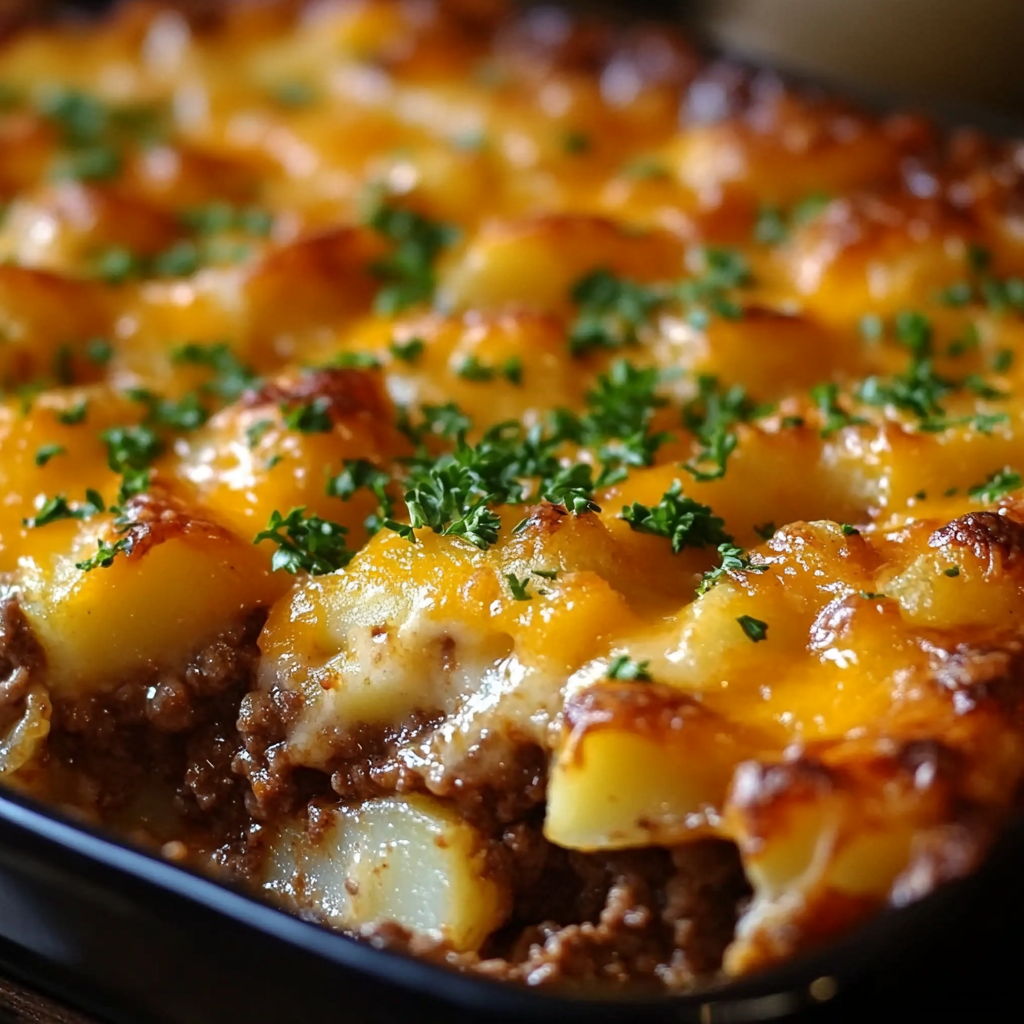
Few dishes capture the essence of comfort food quite like the Cowboy Meatloaf and Potato Casserole. This hearty recipe combines the rich, savory flavors of a classic meatloaf with the creamy goodness of potatoes, all topped with melted cheese. It’s a family favorite that’s perfect for weeknight dinners or special gatherings.
The origin of the dish lies in its simplicity and appeal to diverse palates. Inspired by traditional meatloaf recipes, this variation adds a layer of indulgence with a potato casserole component, creating a two-in-one meal that satisfies every craving. Whether you’re new to cooking or a seasoned chef, this recipe is both approachable and rewarding.
Learn more about comfort food and its history.
Why This Recipe Stands Out
This Cowboy Meatloaf and Potato Casserole recipe isn’t just about flavor—it’s about versatility. It’s a complete meal in one dish, minimizing the need for side dishes. The combination of ground beef, cheddar cheese, and thinly sliced potatoes delivers a robust texture and flavor profile.
Here’s why you’ll love this dish:
- Easy to Make: Straightforward steps with readily available ingredients.
- Customizable: Adapt the recipe with different meats, seasonings, or cheeses.
- Crowd-Pleasing: Ideal for gatherings, potlucks, or family meals.
Did you know that ground beef recipes are among the most searched for comfort food dishes? Explore other ground beef ideas to expand your repertoire.
Finally, this casserole’s appeal lies in its ability to blend home-cooked comfort with just a touch of indulgence. From its crispy potato edges to its savory, cheesy topping, it’s a recipe that’s sure to become a staple in your household.

Ingredients Deep Dive
The Star of the Show: Ground Beef
The foundation of any great meatloaf is ground beef. Opt for a blend with 80/20 fat content to ensure the meatloaf stays moist while maintaining a firm structure. For those seeking a leaner option, ground turkey or chicken can work well as substitutes, but keep in mind they may require additional seasoning to enhance flavor.
For more tips on choosing the right meat, check out this guide on ground beef basics.
Breadcrumbs: The Binding Agent
Breadcrumbs are essential for holding the meatloaf together, preventing it from crumbling during cooking. Whether you use panko breadcrumbs, seasoned varieties, or make your own, they also act as a sponge, soaking up the flavorful juices and distributing them evenly throughout the loaf. For a gluten-free twist, crushed crackers or oats can be used as alternatives.
Flavor Enhancers: Worcestershire Sauce, Garlic, and Onion
Adding depth to the dish are flavor enhancers like Worcestershire sauce, minced garlic, and finely chopped onion. Each ingredient brings its unique quality: Worcestershire adds umami, garlic lends an aromatic kick, and onion provides sweetness and texture. To save time, consider pre-minced garlic or onion powders.
Discover more about the versatility of garlic in cooking.
Potato Layer: The Perfect Sidekick
Thinly sliced potatoes are the ultimate complement to the meatloaf. Russet potatoes are ideal for this recipe due to their starch content, which helps create a creamy texture. Yukon Gold potatoes are another excellent choice, offering a buttery flavor. Uniform slicing is key for even cooking—consider using a mandoline for precision.
For additional ideas, explore types of potatoes and their uses.
Step-by-Step Cooking Guide
Preparing the Meatloaf Base
Start by combining all the ingredients for the meatloaf in a large mixing bowl. The key components include ground beef, breadcrumbs, minced garlic, chopped onion, ketchup, Worcestershire sauce, dried thyme, and a dash of salt and pepper. Use your hands to gently mix everything until just combined—overmixing can make the meatloaf dense.
Transfer the mixture to a lightly greased 9×13-inch baking dish. Shape it into a rectangular loaf in the center, leaving enough space around the edges for the potato layer.
For inspiration on shaping meatloaf and creative presentation, explore this Pinterest board on meatloaf recipes.
Arranging the Potato Layer
Peel and thinly slice four large potatoes for the dish. Aim for even slices to ensure uniform cooking. Arrange the potato slices around the meatloaf in slightly overlapping layers, creating a visually appealing pattern. Sprinkle a pinch of salt and pepper over the potatoes to enhance their natural flavor.
Learn about the benefits of using potatoes in versatile dishes.
The Baking Process
Preheat your oven to 375°F (190°C). Cover the baking dish tightly with aluminum foil to retain moisture during cooking. Bake for 45 minutes, allowing the meatloaf to cook through and the potatoes to begin softening.
Adding the Cheese
After 45 minutes, remove the foil and sprinkle a generous cup of shredded cheddar cheese over both the meatloaf and potatoes. This step is where the magic happens—the cheese melts, forming a golden, bubbly crust that enhances the dish’s overall appeal. Return the dish to the oven, uncovered, and bake for an additional 15 minutes.
Explore different types of cheddar cheese for topping inspiration.
Finishing Touches and Serving Suggestions
Once the casserole is done, let it rest for 5–10 minutes before slicing. This allows the juices to redistribute, making each slice moist and flavorful. Garnish with freshly chopped parsley or chives for a pop of color and freshness. Serve it with a simple green salad or crusty bread for a complete meal.
Tips, Variations, and Storage
Pro Tips for Success
- Avoiding Soggy Potatoes: Ensure your potato slices are dry before layering. Pat them with a paper towel to remove excess moisture. Using starchy varieties like Russet potatoes will also help absorb liquid during baking.
- Preventing a Dry Meatloaf: Avoid overcooking and use the correct fat ratio in your ground beef. Adding a splash of milk to the meat mixture can increase moisture.
- Even Cooking: Covering the dish with foil during the initial bake ensures the meat and potatoes cook evenly without drying out.
Recipe Variations
- Sweet Potato Twist: Swap traditional potatoes with sweet potatoes for a slightly sweeter and nutrient-rich version. Sweet potatoes pair wonderfully with the savory meatloaf.
- Veggie-Loaded Casserole: Add a layer of vegetables like carrots, zucchini, or bell peppers around the meatloaf for added color and nutrition. These vegetables can be pre-sautéed for better texture.
- Cheese Swaps: Experiment with different cheeses like Monterey Jack, mozzarella, or even Gouda for a unique flavor twist.
For additional casserole ideas, browse Pinterest’s potato casserole inspirations.
Storage and Reheating
- Refrigeration: Store leftovers in an airtight container in the refrigerator for up to 3 days. Let the dish cool completely before sealing it to prevent condensation.
- Freezing: For longer storage, freeze individual portions of the casserole in freezer-safe containers. Reheat directly from frozen by baking at 350°F (175°C) until warmed through.
- Reheating Tips: To maintain moisture, reheat in the oven instead of the microwave. Cover the dish with foil during reheating to avoid drying out the cheese and potatoes.
Make-Ahead Instructions
This casserole can be assembled in advance and stored in the refrigerator for up to 24 hours before baking. If you’re prepping ahead, consider slicing the potatoes and soaking them in water to prevent browning, then layer them just before baking.
Find out more about the science of freezing and reheating casseroles.
Nutritional Information and Health Considerations
Estimated Caloric Breakdown
The Cowboy Meatloaf and Potato Casserole is a hearty dish, and its nutritional profile reflects its indulgent nature. A typical serving (approximately one-sixth of the casserole) contains:
- Calories: 450–500
- Protein: 25–30 grams
- Carbohydrates: 35–40 grams
- Fats: 20–25 grams
These values may vary depending on ingredient substitutions and portion sizes. For those monitoring their diet, this dish provides a good balance of protein and carbohydrates but can be adjusted for lighter alternatives.
Tips for Making a Healthier Version
- Lean Meat Alternatives: Substitute the 80/20 ground beef with 93/7 ground turkey or a plant-based meat alternative to reduce saturated fat content.
- Cheese Reduction: Opt for a reduced-fat cheddar cheese or cut back on the amount used.
- Whole-Grain Breadcrumbs: Incorporating whole-grain breadcrumbs adds fiber and lowers the glycemic impact.
- Potato Alternatives: For a lower-carb option, replace potatoes with cauliflower slices or a mix of zucchini and eggplant.
Small tweaks can make this classic dish suitable for a variety of dietary preferences without compromising flavor. Learn more about the health benefits of garlic and parsley.

FAQs
Can I Use Other Types of Meat?
Absolutely! While ground beef is traditional, you can easily substitute it with other options. Ground turkey or chicken works well for a lighter version, though you may need to increase seasonings like garlic, onion, and thyme to boost flavor. For a richer taste, try ground pork or a mix of pork and beef.
Explore the versatility of ground meats in various dishes here.
What’s the Best Cheese for This Dish?
Cheddar cheese is the go-to for its sharp flavor and excellent melting qualities. However, you can experiment with alternatives like Monterey Jack, mozzarella, or even Gruyère for a gourmet twist. Each cheese offers a distinct taste and texture, so choose one that complements your preferences.
For more ideas on cheese pairings, check out this guide on cheddar cheese.
How Do I Prevent My Potatoes From Overcooking?
The key to perfectly cooked potatoes lies in their preparation. Slice them thinly and uniformly to ensure even cooking. Covering the dish with foil during the initial baking phase helps lock in moisture and prevent the edges from overbaking.
Learn more about selecting the right potatoes here.
Can I Make This Dish in Advance?
Yes, this casserole is perfect for meal prep. You can assemble it up to 24 hours ahead of time and refrigerate it until ready to bake. If freezing, ensure the dish is tightly wrapped to prevent freezer burn. Bake directly from frozen, adding an additional 15–20 minutes to the cooking time.
What Are Some Side Dishes to Serve With This?
The Cowboy Meatloaf and Potato Casserole is a meal on its own, but it pairs beautifully with lighter side dishes. Consider serving it with a crisp green salad, steamed broccoli, or a simple garlic bread. These sides balance the richness of the casserole and add variety to your plate.
For more side dish inspirations, browse Pinterest’s casserole accompaniments.
Bonus Tip: How Do I Store and Reheat Leftovers?
Leftovers should be cooled completely before storing in an airtight container. For best results, reheat in the oven at 350°F (175°C) to preserve the texture and flavor. Microwave reheating is an option but can sometimes make the potatoes less crisp.