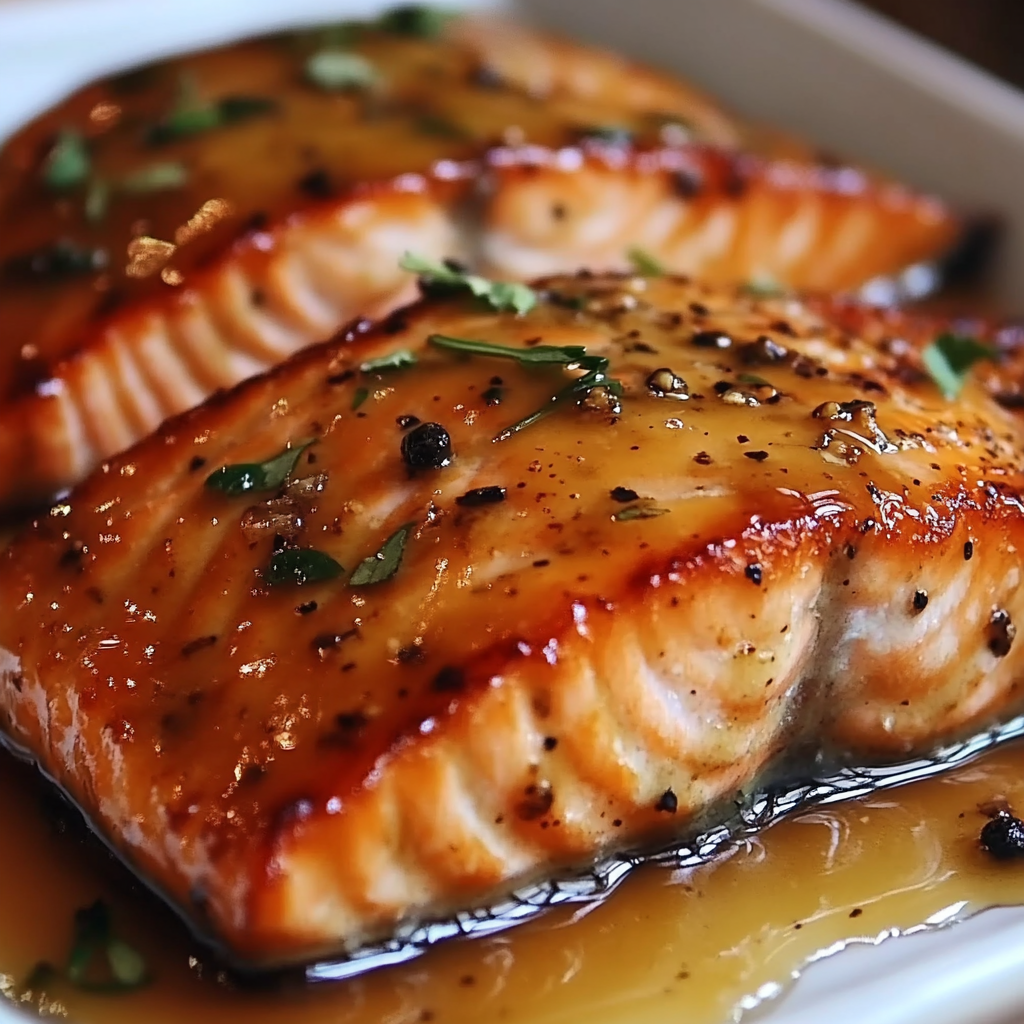
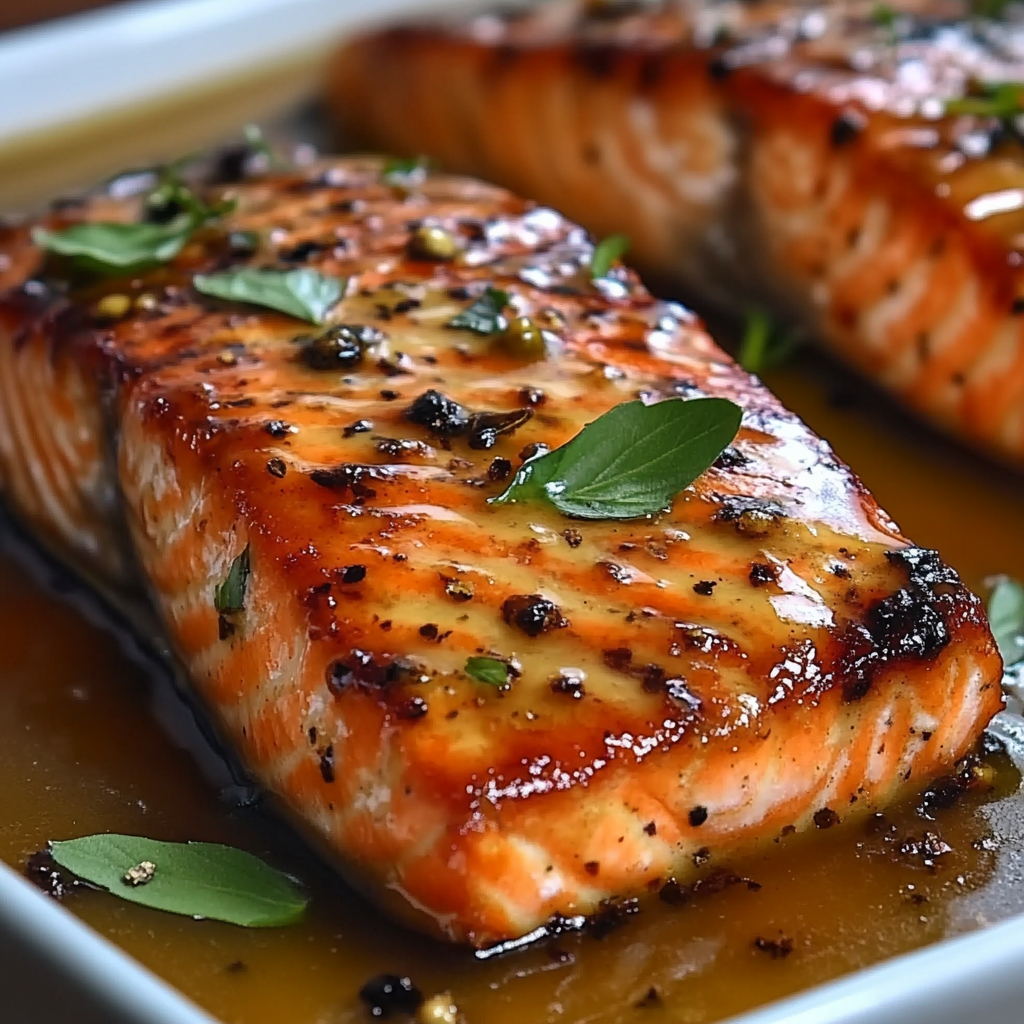
When it comes to quick, delicious, and healthy meals, few dishes can rival the versatility of salmon. Among the many ways to prepare it, Cajun Honey Butter Salmon stands out as a tantalizing blend of bold Cajun spices, creamy butter, and the natural sweetness of honey. This recipe is not only a delight for your taste buds but also a perfect choice for those seeking a nutritious, easy-to-make meal.
Cajun cuisine, rooted in the rich culinary traditions of Louisiana, is celebrated for its bold, smoky, and slightly spicy flavors. This recipe brings those iconic flavors into your kitchen while showcasing salmon’s natural tenderness and health benefits. Packed with omega-3 fatty acids and essential nutrients, salmon supports heart and brain health, making it a guilt-free indulgence.
For those new to cooking salmon, this recipe offers a foolproof guide to achieve restaurant-quality results at home. Whether you’re a seasoned chef or a novice cook, this dish promises to be a crowd-pleaser. Plus, with minimal prep time and simple ingredients, it’s perfect for busy weeknights or impressive dinner parties.
Looking to learn more about the nutritional value of salmon? Check out this detailed Salmon Nutrition Facts guide on Wikipedia.
2. Ingredients Overview
The beauty of Cajun Honey Butter Salmon lies in its simplicity, relying on just a handful of fresh and flavorful ingredients. Here’s a breakdown of what you’ll need and some tips to get the most out of each component.
- Salmon Fillets (6 ounces each): Opt for fresh, high-quality salmon when possible. Wild-caught salmon offers a firmer texture and richer flavor, but frozen fillets work well too if properly thawed. Learn more about how to cook salmon perfectly for best results.
- Cajun Seasoning (2 tablespoons): You can use store-bought Cajun seasoning for convenience or make your own blend using paprika, cayenne, garlic powder, and dried herbs. Homemade blends allow you to control the spice level, making this dish versatile for all taste preferences.
- Unsalted Butter (4 tablespoons): The creaminess of unsalted butter balances the bold Cajun flavors without overpowering them. Discover why butter is a key ingredient in so many dishes in this guide to butter’s role in cooking.
- Honey (2 tablespoons): Honey’s natural sweetness complements the savory Cajun spices. Choose high-quality, raw honey for a more robust flavor.
- Garlic (2 cloves, minced): Fresh garlic adds a depth of flavor that pre-minced garlic cannot match. Its health benefits are also worth noting, as outlined in this health benefits of garlic guide.
- Salt and Pepper: Essential for seasoning and enhancing the overall flavor profile.
- Fresh Parsley: Adding fresh parsley as a garnish not only enhances the visual appeal of the dish but also provides a refreshing herbal note. Explore more about fresh herbs in cooking and how they elevate recipes.
This simple yet flavor-packed ingredient list sets the stage for a meal that is both indulgent and wholesome.
3. Preparing the Salmon
Proper preparation is key to achieving the perfect Cajun Honey Butter Salmon. Follow these steps to ensure your dish is bursting with flavor and cooked to perfection.
1. Preheat Your Oven
Start by preheating your oven to 375°F (190°C). This temperature is ideal for evenly cooking salmon, ensuring it remains moist while allowing the Cajun seasoning to develop a delicious crust. While your oven is heating, line a baking sheet with parchment paper to prevent sticking and make cleanup easier.
2. Season the Salmon
Lay the salmon fillets skin-side down on the prepared baking sheet. Sprinkle each fillet generously with Cajun seasoning, ensuring an even coating for maximum flavor. Don’t forget to add a pinch of salt and pepper to enhance the seasoning blend. If you’re using store-bought Cajun spices, be mindful of the salt content to avoid over-seasoning.
To learn more about seasoning techniques for fish, check out this helpful guide on perfect seasoning.
3. Tips for Handling Salmon
- Fresh vs. Frozen: If using frozen salmon, ensure it’s completely thawed and patted dry to avoid excess moisture during cooking.
- Even Cooking: Choose fillets of similar thickness to ensure uniform cooking. For thicker cuts, adjust the baking time accordingly.
4. Preparing for the Sauce
Once the salmon is seasoned, it’s time to move on to the honey butter sauce. Preparing the salmon first allows the seasoning to slightly marinate while you create the sauce, enhancing the dish’s overall depth of flavor.
This section prepares the foundation for a perfectly cooked dish while emphasizing essential tips for working with salmon. Ready to move on to the next step? Learn about how to blend ingredients for sauces while waiting for the oven to heat.
4. Making the Honey Butter Sauce
The honey butter sauce is the heart of this dish, infusing the salmon with a perfect blend of sweetness and richness. Here’s how to prepare it flawlessly:
1. Melt the Butter
In a small saucepan, melt 4 tablespoons of unsalted butter over medium heat. Use unsalted butter to control the saltiness of the dish, especially if your Cajun seasoning contains salt. Stir occasionally to ensure even melting without browning the butter.
2. Sauté the Garlic
Add 2 cloves of minced garlic to the melted butter. Sauté for about 1-2 minutes, stirring constantly to prevent the garlic from burning. The fragrance of garlic at this stage adds a depth of flavor that complements both the Cajun spices and honey.
Curious about why garlic enhances so many recipes? Read this article on the benefits of cooking with garlic.
3. Blend in the Honey
Once the garlic is fragrant, stir in 2 tablespoons of honey. Mix thoroughly until the honey is fully dissolved into the butter. The honey’s natural sweetness helps balance the spice of the Cajun seasoning, creating a well-rounded flavor profile. For a deeper understanding of honey’s culinary uses, explore this Pinterest guide on cooking with honey.
4. Optional Flavor Enhancements
Consider adding a splash of lemon juice or a pinch of smoked paprika to the sauce for added complexity. Both ingredients enhance the dish’s fresh and smoky notes, making the salmon even more irresistible.
5. Ready to Pour
With the honey butter sauce ready, pour it evenly over the seasoned salmon fillets. Ensure each piece is well-coated, allowing the flavors to seep into the fish as it bakes.
This section ensures your sauce complements the dish perfectly, balancing the boldness of Cajun spices with buttery sweetness.
5. Baking the Salmon
With the salmon seasoned and the honey butter sauce prepared, it’s time to bake your dish to perfection. Follow these steps to achieve tender, flaky salmon every time.
1. Bake at the Right Temperature
Place the baking sheet with the prepared salmon fillets in the oven preheated to 375°F (190°C). This moderate temperature ensures even cooking without drying out the fish. Bake for 12-15 minutes, depending on the thickness of the fillets. For example:
- Thin fillets (1 inch or less): Check at 12 minutes.
- Thick fillets (1.5 inches or more): Aim for closer to 15 minutes.
To learn more about ideal cooking temperatures for salmon, explore this Pinterest guide on salmon baking tips.
2. Test for Doneness
The key to perfectly cooked salmon is knowing when it’s done:
- Use a fork to gently flake the thickest part of the fillet. If it flakes easily and is opaque throughout, it’s ready.
- Alternatively, use a meat thermometer to check the internal temperature. Aim for 145°F (63°C) in the thickest part of the fish, as recommended by food safety guidelines.
3. Avoid Overcooking
Salmon continues to cook after being removed from the oven due to residual heat. For this reason, consider taking it out slightly before it reaches full doneness to avoid dryness.
4. Let It Rest
Allow the salmon to rest for a few minutes before serving. This helps the juices redistribute, ensuring each bite is moist and flavorful.
By following these steps, you’ll create a dish that showcases the perfectly baked salmon, infused with the sweet and spicy notes of Cajun honey butter sauce. Want more tips for handling baked fish? Explore this guide on baking techniques.
6. Garnishing and Serving
The final touches on your Cajun Honey Butter Salmon elevate it from a delicious dish to a true culinary masterpiece. Here’s how to plate and serve it for maximum appeal and flavor.
1. Garnish with Fresh Parsley
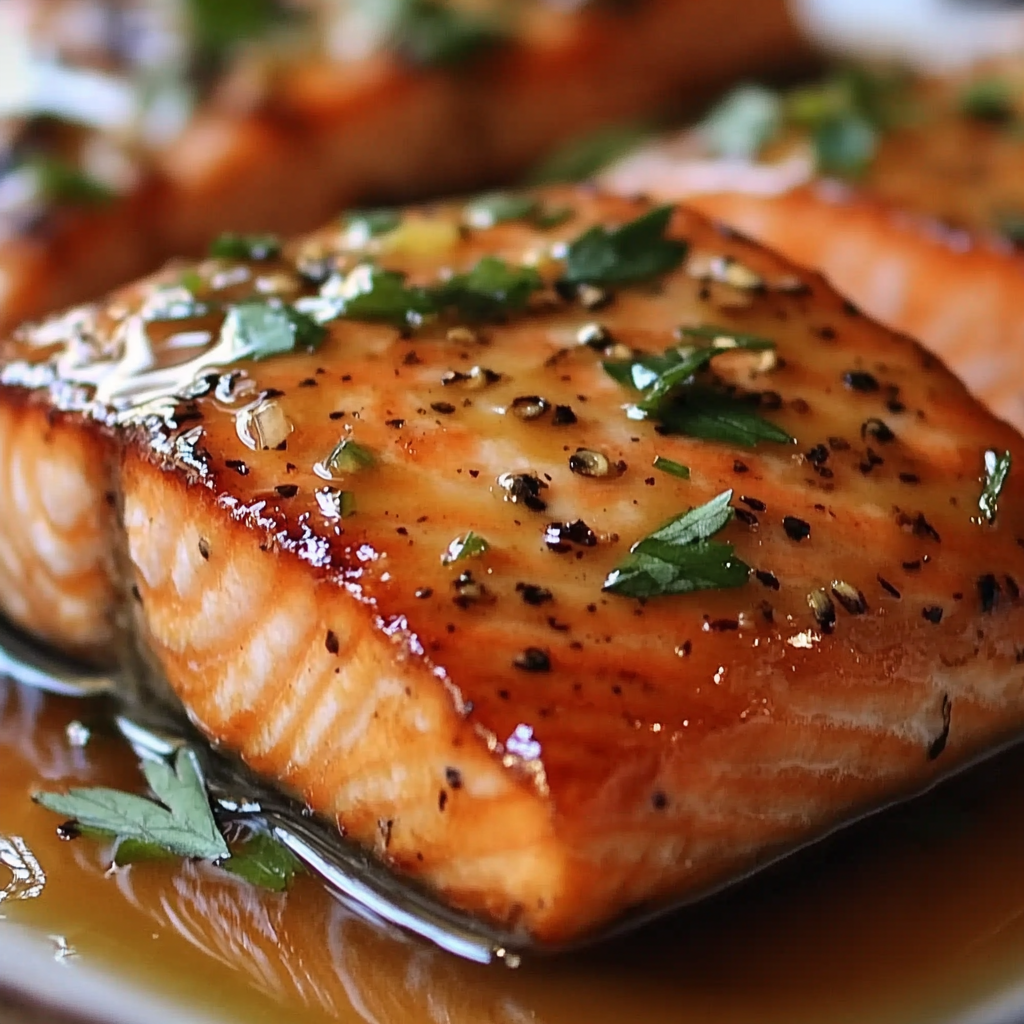
Before serving, sprinkle freshly chopped parsley over the salmon. This garnish not only adds a vibrant pop of color but also complements the bold Cajun spices with its fresh, herbal notes. Parsley’s bright flavor helps balance the richness of the butter and honey.
For tips on how fresh herbs can enhance your dishes, check out this guide on cooking with fresh herbs.
2. Serving Suggestions
Pair your salmon with sides that enhance its flavor profile. Popular choices include:
- Roasted Vegetables: Brussels sprouts, asparagus, or carrots roasted with olive oil and a sprinkle of Cajun seasoning.
- Rice or Quinoa: Serve over fluffy rice or nutty quinoa to soak up the excess sauce.
- Salads: A light green salad with a citrus vinaigrette can add freshness to the meal.
Explore ideas for creative salmon pairings in this Pinterest collection of salmon sides.
3. Presentation Tips
For a restaurant-quality look:
- Use a wide plate to keep the presentation clean.
- Arrange the fillet slightly off-center and drizzle any remaining sauce over the top.
- Add a lemon wedge or thin lemon slices for an extra touch of color and flavor.
By paying attention to these finishing details, your Cajun Honey Butter Salmon will not only taste incredible but also look stunning on the plate.
7. Nutritional Information
The Cajun Honey Butter Salmon isn’t just delicious—it’s also a nutritious option for a balanced meal. Here’s a breakdown of its health benefits and nutritional profile.
Calories and Macronutrients
- A single serving (6-ounce fillet) contains approximately 350-400 calories, depending on the exact amount of butter and honey used.
- Protein: Each fillet provides around 35 grams of high-quality protein, essential for muscle repair and overall health.
- Healthy Fats: Salmon is a rich source of omega-3 fatty acids, which support heart and brain health.
- Carbohydrates: Minimal carbohydrates come from the honey, making this dish suitable for low-carb diets.
For a more detailed look at salmon’s health benefits, visit Salmon Nutrition Facts.
Vitamins and Minerals
- Vitamin D: Promotes strong bones and a healthy immune system.
- B Vitamins: Essential for energy metabolism and brain function.
- Selenium: Acts as a powerful antioxidant.
- Potassium: Supports heart health by maintaining blood pressure levels.
Making It Healthier
- Reduce butter or use a plant-based alternative for a lower-fat version.
- Opt for less honey or a natural sweetener like maple syrup for reduced sugar content.
This balance of rich flavor and essential nutrients makes Cajun Honey Butter Salmon a perfect choice for a wholesome, satisfying meal.
8. FAQs Section
Q1: Can I use another type of fish for this recipe?
Yes, this recipe works well with other firm, flaky fish such as trout, halibut, or cod. However, keep in mind that cooking times may vary depending on the thickness and texture of the fish. For example, cod may require slightly longer baking.
Q2: What can I use instead of honey?
If you don’t have honey, you can substitute it with maple syrup or agave nectar for a similar sweetness. Molasses or brown sugar can also be used for a deeper flavor profile, though they may slightly alter the overall taste.
Learn more about alternative sweeteners in this Pinterest guide on cooking substitutions.
Q3: Can I cook this on a stovetop instead of baking?
Absolutely! To cook on a stovetop, use a nonstick skillet. Sear the salmon on medium-high heat for 3-4 minutes per side, then pour the honey butter sauce over the fish and let it simmer until fully cooked.
Q4: How long can leftovers be stored in the fridge?
Store leftovers in an airtight container in the refrigerator for up to 3 days. To reheat, use a microwave or oven at a low temperature to avoid drying out the salmon.
Q5: Is this recipe spicy?
The spice level depends on the type and amount of Cajun seasoning used. For a milder version, use less seasoning or opt for a low-spice blend.