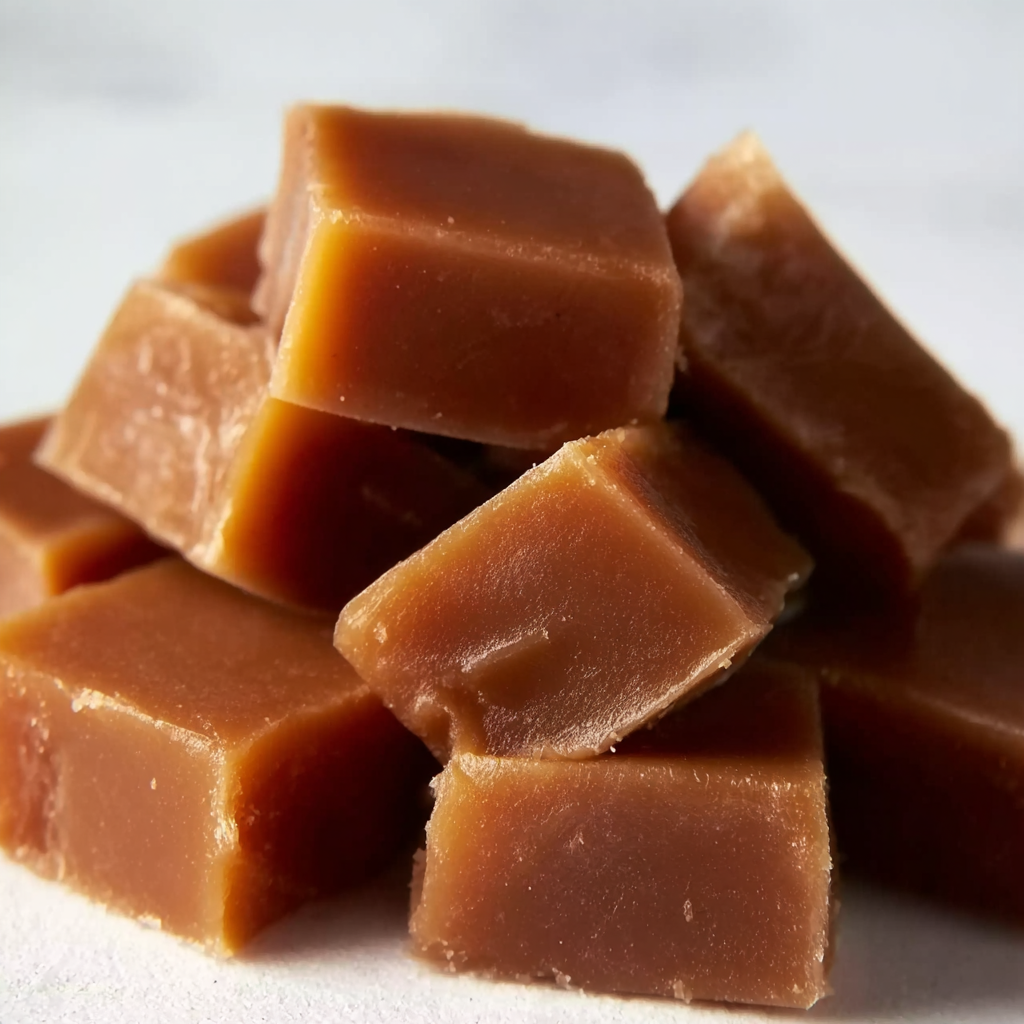
There’s something special about having a sweet treat ready to enjoy without guilt. Whether it’s a cozy evening at home, a movie night with family, or a mid-afternoon craving that sneaks up on you, having a batch of homemade sugar free candy on hand makes every moment feel a little more indulgent. This recipe was inspired by the desire to recreate childhood candy favorites in a way that supports a low carb lifestyle while still delivering that satisfying sweetness we all love.
For years, store-bought sugar free candies often came with hidden carbs or questionable ingredients. Creating a simple, reliable homemade version means you control the flavors, sweetness, and quality. This easy low carb sweet treat proves that you don’t have to sacrifice taste to make healthier choices.
Why You’ll Love This Homemade Sugar Free Candy
Making your own candy at home might sound complicated, but this recipe is surprisingly simple. With just a handful of ingredients and minimal prep time, you can create a delicious treat that fits perfectly into a low carb or sugar-conscious lifestyle.
Here’s why this recipe stands out:
Completely sugar free
Low in carbohydrates
Easy to customize with different flavors
Made with simple pantry ingredients
Perfect for meal prep and make-ahead treats
Unlike many commercial sugar free candies, this homemade version avoids unnecessary additives and fillers. You get pure sweetness, smooth texture, and a treat you can feel good about enjoying.
Ingredients You’ll Need
One of the best parts about this homemade sugar free candy is the short ingredient list. Each ingredient plays an important role in achieving the perfect texture and sweetness.
Base Ingredients
1 cup powdered erythritol or monk fruit sweetener blend
Powdered sweetener is key to achieving a smooth candy texture. Granulated sweeteners may create a gritty consistency, so be sure to use a powdered form for best results.
Essential Equipment
You don’t need fancy tools to make this recipe, but a few basics will make the process easier:
Small heavy-bottom saucepan
Silicone spatula
Candy thermometer (recommended for precision)
Silicone candy molds or parchment-lined tray
Heat-resistant spoon
If you don’t have candy molds, simply pour the mixture onto parchment paper and break it into pieces once it sets.
Step-by-Step Instructions
Step 1: Prepare Your Workspace
Before you begin cooking, line your candy molds or a small baking tray with parchment paper. Have all ingredients measured and ready. Candy moves quickly once it reaches temperature, so preparation is key.
Step 2: Heat the Sweetener Mixture
In a small heavy-bottom saucepan, combine:
1 cup powdered erythritol
1/4 cup water
2 tablespoons unsalted butter
Place the saucepan over medium heat. Stir gently until the sweetener dissolves and the butter melts completely.
Attach a candy thermometer if using. Allow the mixture to come to a gentle boil without constant stirring.
Step 3: Cook to Hard Crack Stage
Let the mixture simmer until it reaches approximately 300°F (150°C), known as the hard crack stage. This ensures your candy will set firmly.
Avoid stirring too much during this phase, as it may cause crystallization. If crystals form along the sides of the pan, you can carefully brush them down with a damp pastry brush.
Step 4: Add Flavoring
Remove the pan from heat immediately once it reaches temperature. Stir in:
1/2 teaspoon vanilla extract
Pinch of fine sea salt
If making a flavored variation, add your optional ingredients at this stage:
1/4 teaspoon peppermint extract
1 tablespoon unsweetened cocoa powder
1/2 teaspoon cinnamon
Work quickly, as the candy will begin to thicken.
Step 5: Pour and Set
Carefully pour the hot mixture into your prepared molds or onto the lined tray. Let the candy cool at room temperature for about 30–45 minutes until completely hardened.
Once set, remove from molds or break into bite-sized pieces.
Tips for Perfect Sugar Free Candy
Making candy can feel intimidating, but these tips will help guarantee success:
Use a Reliable Thermometer
Temperature control is crucial. Cooking past 300°F may burn the sweetener, while undercooking can result in soft candy.
Avoid Humidity
Humidity can affect the texture of candy. Try to make it on a dry day for best results.
Store Properly
Keep your candy in an airtight container at room temperature. If your kitchen is warm, you can store it in the refrigerator to maintain firmness.
Experiment with Flavors
Once you master the base recipe, you can try:
Lemon extract for citrus candy
Almond extract for nutty notes
A sprinkle of crushed nuts on top before setting
The possibilities are endless.
Nutritional Benefits of Sugar Free Candy
This recipe is ideal for those following a low carb or reduced sugar lifestyle. Traditional candy is packed with refined sugar, which can spike blood sugar levels and leave you feeling sluggish.
By using erythritol or monk fruit sweetener:
Carbohydrate intake is significantly reduced
Blood sugar impact is minimized
Calorie content is lower compared to traditional candy
While it’s still a treat and should be enjoyed in moderation, it’s a much better alternative to conventional sweets.
Creative Variations
Chocolate Sugar Free Candy
Add 1 tablespoon unsweetened cocoa powder to the hot mixture before pouring. For a richer flavor, you can also stir in 1 tablespoon unsweetened cocoa butter.
Creamy Vanilla Drops
Increase butter to 3 tablespoons and add an extra 1/4 teaspoon vanilla extract for a softer, melt-in-your-mouth version.
Cinnamon Spice Candy
Add 1/2 teaspoon cinnamon and a tiny pinch of ground ginger for a warm, cozy flavor.
Frequently Asked Questions
1. Can I use a different sweetener?
Yes, but results may vary depending on the sweetener you choose. Powdered erythritol and monk fruit blends work best because they tolerate high heat and crystallize properly to create a firm candy texture. Some sugar substitutes, like stevia alone, do not provide bulk and may result in a sticky or soft consistency. Allulose can also be used, but it may produce a slightly softer candy and may require adjustments in cooking time. If substituting, keep the measurement at 1 cup powdered sweetener and monitor the temperature carefully to ensure it reaches 300°F (150°C). Experimenting is possible, but for consistent results, stick to heat-stable, granulated sugar alternatives that have been powdered.
2. Why did my candy turn grainy?
Grainy texture usually happens when crystallization occurs during cooking. This can be caused by stirring too much once the mixture starts boiling or by sugar crystals forming along the sides of the pan. To prevent this, avoid constant stirring after the mixture begins to boil. You can also brush the inside of the saucepan gently with a damp pastry brush to remove stray crystals. Using a heavy-bottom saucepan helps distribute heat evenly and reduces the chance of uneven cooking. Ensuring your sweetener is fully powdered before starting also minimizes graininess.
3. How should I store homemade sugar free candy?
Store your candy in an airtight container at room temperature for up to one week. If your home is warm or humid, refrigeration is recommended to maintain texture and firmness. Layer pieces between parchment paper to prevent sticking. Avoid exposing the candy to direct sunlight or moisture, as both can affect its texture. For longer storage, you can keep it in the refrigerator for up to two weeks. Let it come to room temperature before serving for the best flavor experience.
4. Is this candy suitable for a low carb lifestyle?
Yes, this recipe is designed specifically as a low carb sweet treat. By using 1 cup powdered erythritol or monk fruit sweetener instead of refined sugar, carbohydrate content is drastically reduced. However, always calculate nutritional information based on the specific brand of sweetener and butter you use, as values can vary. While the recipe is lower in carbs than traditional candy, moderation is still important. Everyone’s dietary needs differ, so adjust portion sizes accordingly. This homemade version gives you control over ingredients, making it easier to align with your personal nutrition goals.
Final Thoughts
Homemade sugar free candy is more than just a low carb alternative to traditional sweets. It represents the freedom to enjoy something indulgent while staying aligned with your health goals. There’s a certain satisfaction that comes from creating your own treats from scratch, knowing exactly what goes into every bite.
This recipe is approachable enough for beginners yet versatile enough for experienced home cooks to experiment with. From classic vanilla to rich chocolate or refreshing peppermint, you can customize flavors to suit every season and occasion. It’s perfect for gifting, sharing at gatherings, or simply keeping in a jar on the kitchen counter for when cravings strike.
What truly makes this recipe special is its simplicity. With just 1 cup powdered erythritol, 1/4 cup water, and 2 tablespoons butter, you transform everyday ingredients into something delightful. It’s a reminder that making better choices doesn’t mean giving up the flavors you love.
If you’ve been hesitant to try homemade candy, this is your sign to start. With careful attention to temperature and a little patience, you’ll be rewarded with crisp, sweet, satisfying pieces that rival store-bought options. Once you try it, you may never go back to packaged sugar free candy again.