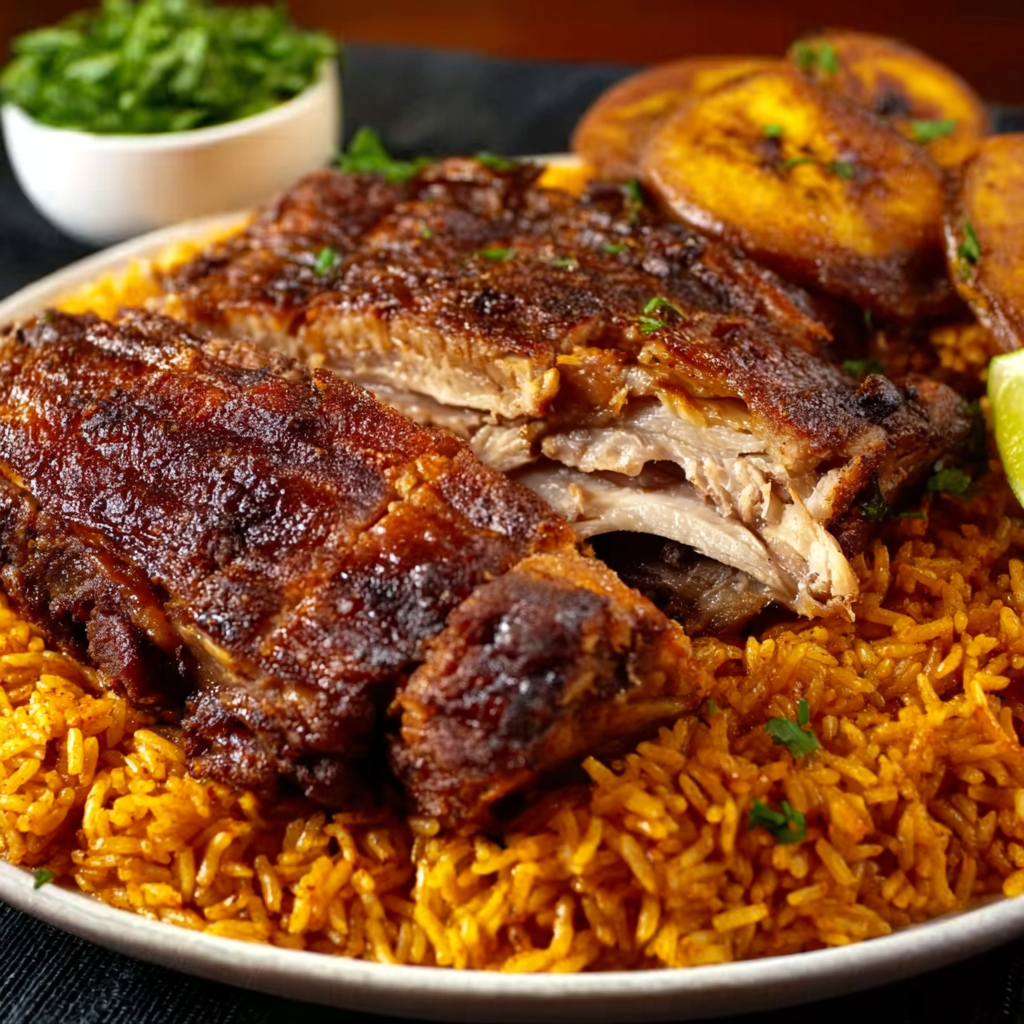
Puerto Rican Pernil
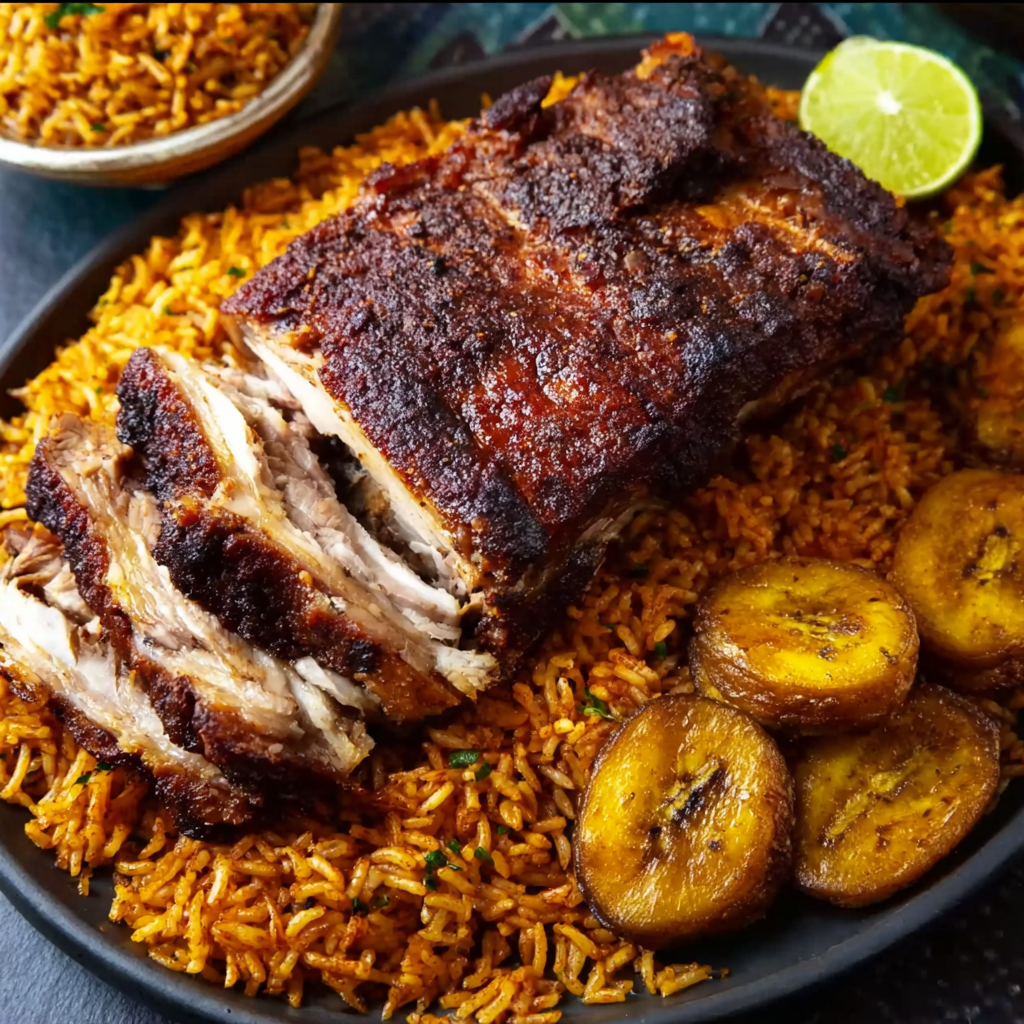
Pernil is a beloved and iconic dish in Puerto Rican cuisine, celebrated for its bold flavors, slow-roasted tenderness, and crispy, golden-brown skin. This marinated pork shoulder is more than just a recipe—it’s a cultural tradition passed down through generations. Whether it’s served at Christmas, Three Kings Day, or any large family gathering, pernil is a must-have centerpiece that brings people together around the table.
Unlike ordinary roast pork, authentic Puerto Rican pernil is carefully marinated with garlic, adobo, oregano, and sometimes sofrito to infuse every bite with flavor. The process involves slow-cooking the meat until it’s fall-apart tender, and then crisping the skin, also known as “cuero”, to achieve that irresistible crunch. These steps are essential to capturing the rich taste and texture that define a traditional pernil.
Rooted in both Spanish colonial and indigenous Taíno influences, pernil showcases the fusion of cultures that defines Puerto Rican food. The dish has also evolved to include modern variations, like cooking it in a slow cooker or using a different marinade blend. You can learn more about the historical roots of this dish in the broader context of Puerto Rican cuisine and how dishes like sofrito became essential flavor bases.
In many homes, preparing pernil is a family event. The night before a holiday, you’ll often find someone seasoning the meat, making deep cuts into the pork to stuff it with garlic and spices. This hands-on process turns the preparation into a tradition of its own—an act of love and care that connects generations. This type of meal isn’t just about eating—it’s about preserving culture and celebrating community.
If you’re looking to master the ultimate pernil recipe, you’ll need to understand the importance of proper marination, roasting techniques, and side dishes that pair perfectly. From arroz con gandules to plantains, the entire meal creates a full Puerto Rican holiday experience. Check out ideas for presentation and plating from this Pinterest collection of Puerto Rican holiday meals for inspiration.
History and Cultural Significance
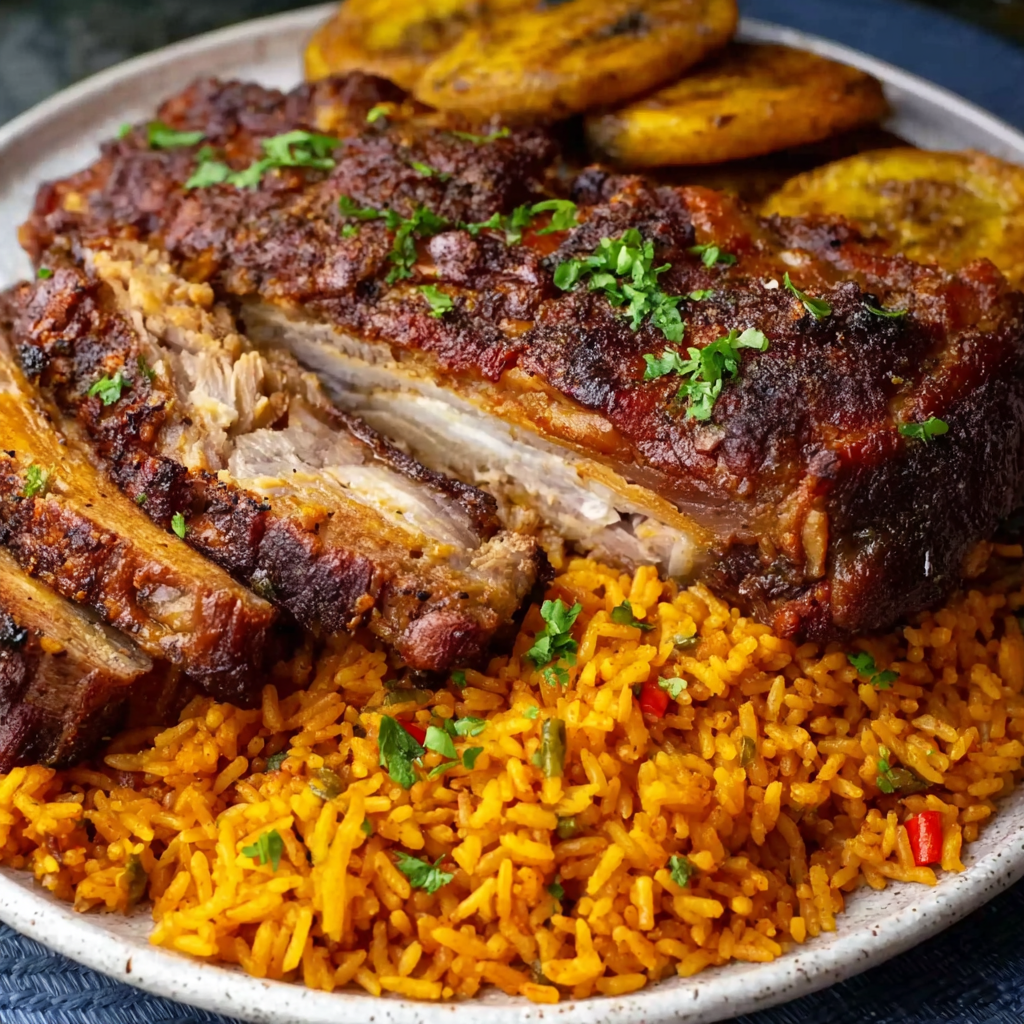
The origins of pernil trace back to the Spanish colonization of the Caribbean, where pork became a key component of many traditional dishes. In Puerto Rico, pernil evolved through centuries of cultural blending between Spanish, African, and Taíno culinary traditions. While the Spanish introduced pork to the island, the local population adapted the dish with native herbs and cooking techniques, turning it into a cornerstone of Puerto Rican identity.
The name pernil comes from the Spanish word “pernil,” which originally referred to a leg of pork. Over time, the recipe changed to commonly use the shoulder cut, known for its balance of fat and meat—perfect for slow roasting. Today, pernil is not only a signature dish of Puerto Rico, but also part of the larger family of Latin American holiday foods, where each country puts its own twist on roasted pork.
In Puerto Rican culture, pernil is deeply connected to celebration. It’s traditionally served during Nochebuena (Christmas Eve), weddings, birthdays, and major family gatherings. Preparing a large roast symbolizes abundance and hospitality, while sharing it strengthens family ties. Many households consider the preparation of pernil a ritual—something that connects generations. Recipes are often unwritten, passed down orally, and filled with personal variations that reflect each family’s unique touch.
Beyond the home, pernil also plays a role in street food and community festivals. It appears in food trucks, lechoneras (roast pork restaurants), and public feasts, showcasing its versatility and popularity. In some regions, whole pigs are roasted in pits or on spits, a tradition inherited from both Spanish and indigenous methods.
For a visual perspective on how this dish has been embraced and celebrated over time, browse Pinterest boards dedicated to pernil recipe ideas or dive deeper into its origins through this article on pernil. Whether made in a humble kitchen or a bustling street fair, pernil remains a symbol of Puerto Rican pride and heritage.
Difference Between Pernil and Other Roasts
While pernil may resemble other pork roasts at first glance, it stands apart due to its unique blend of ingredients, preparation methods, and cultural significance. One key distinction lies in the marinade. Unlike typical American-style pork roasts, which often rely on dry rubs or barbecue sauces, authentic Puerto Rican pernil is marinated in a vibrant mix of garlic, adobo, oregano, olive oil, and acidic elements like white vinegar or lime juice. These ingredients penetrate deep into the meat, infusing it with bold, savory flavor.
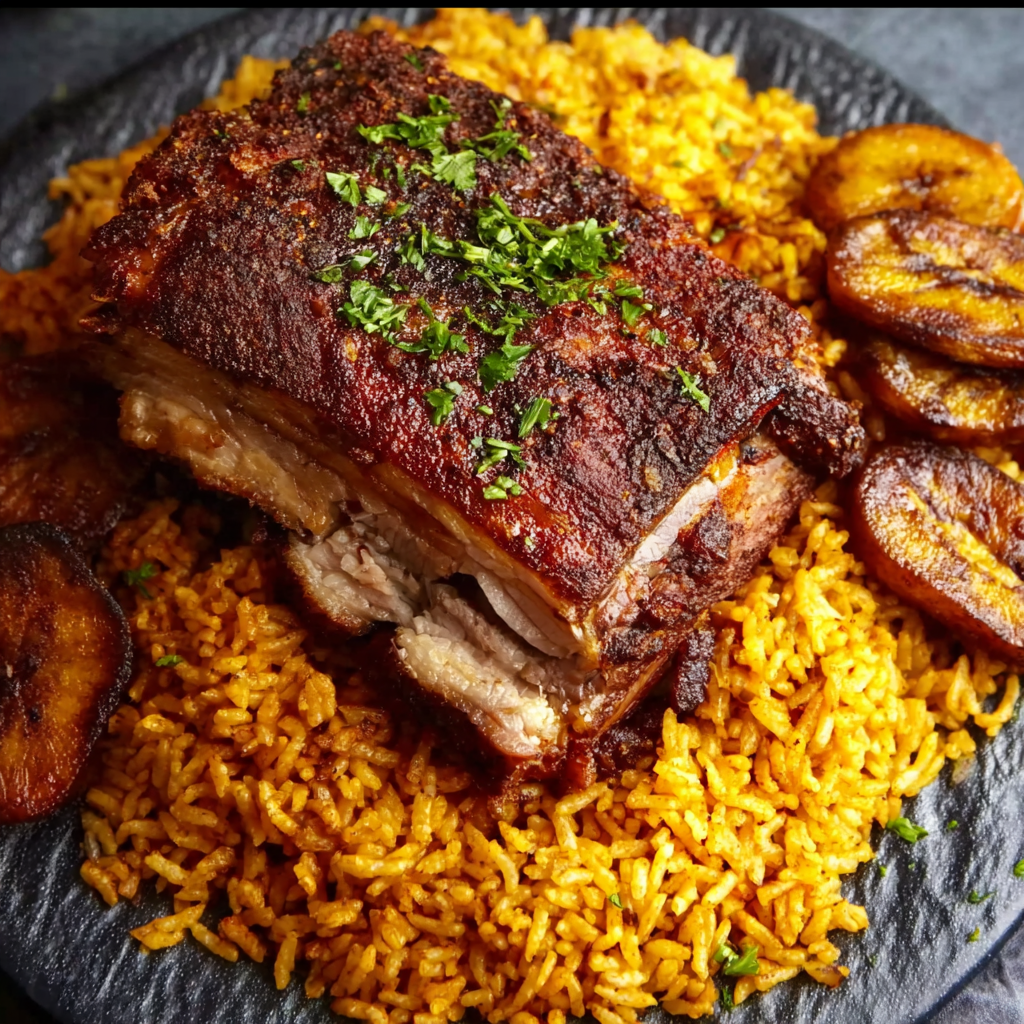
Another standout feature is the iconic crispy skin, or cuero, that forms during the final stages of roasting. Achieving this crackling skin is essential to the pernil experience, unlike other roasts that may focus solely on tenderness. The texture contrast between the juicy pork and the crispy exterior is what makes pernil so memorable.
In comparison, dishes like Cuban lechón asado also use citrus-based marinades but are typically cooked whole on a spit. Dominican pernil is similar to Puerto Rican pernil but often includes different spice combinations. American pulled pork, on the other hand, usually involves smoking or slow-cooking and is served shredded with barbecue sauce, lacking the crispy skin.
For more on pork cuts used in roasting, including the difference between pork shoulder and leg, explore this Wikipedia article on pork shoulder. Understanding these distinctions helps highlight what makes pernil a uniquely Puerto Rican dish rooted in tradition and bursting with flavor.
Choosing the Right Cut of Meat
The first step to making a delicious pernil is selecting the right cut of pork. The ideal choice is a bone-in pork shoulder, also known as “pork picnic shoulder”, which contains a good balance of fat and meat. This cut is perfect for slow roasting, as the fat gradually melts, keeping the meat moist and tender while also helping create that coveted crispy skin.
While some cooks opt for boneless shoulders for easier slicing, the bone-in version delivers more flavor and a richer texture. You’ll want to choose a shoulder weighing between 4 to 8 pounds, depending on the number of guests and how much leftover meat you’d like for dishes like sandwiches or mofongo.
Avoid using pork loin or leaner cuts, as they dry out easily and lack the fat content that makes pernil juicy and flavorful. This is a key difference from other roasts like a traditional beef chuck roast, which doesn’t require the same fat ratio for tenderness. For beef-specific recipes, like those using a chuck roast, different marinating and roasting techniques are used, reflecting the different meat structure.
When selecting your meat, look for a cut with firm, pale pink flesh and a thick cap of skin and fat. This ensures both flavor and the ability to achieve perfect cuero. For presentation ideas and cuts to look for, browse through curated Pinterest examples of Puerto Rican pernil.
Traditional Puerto Rican Pernil Marinade
The marinade is the soul of any good pernil. It transforms a basic pork shoulder into a deeply flavorful, aromatic roast bursting with Puerto Rican spices. An authentic pernil marinade usually includes:
-
Fresh garlic – at least 6 cloves, finely minced
-
Adobo seasoning – a staple blend of salt, pepper, garlic powder, and oregano
-
Dried oregano – for earthy depth
-
Ground cumin – optional, but adds warmth
-
Paprika – adds color and a mild smokiness
-
Salt and black pepper – for balance
-
Olive oil – helps the marinade penetrate the meat
-
White vinegar or lime juice – essential for acid and tenderizing
-
Chopped onion – for additional aromatic flavor
-
Sofrito – optional but highly recommended
This marinade is mixed into a thick paste and worked into deep cuts made throughout the meat. The goal is to ensure the seasoning permeates every layer. Unlike surface-level rubs used in some pork dishes, this method ensures intense flavor in each bite.
You can learn more about the cultural roots of adobo in Puerto Rican cuisine in this Wikipedia entry on adobo seasoning. Likewise, the history and usage of sofrito highlight how this simple mix of onions, peppers, and herbs adds a uniquely Puerto Rican foundation to dishes like pernil.
Let the pork marinate for at least 4 hours, though overnight is ideal. This extended time allows the acids and spices to tenderize the meat and fully develop flavor.
Prepping the Pork for Roasting
Once the pork shoulder is fully marinated, proper preparation is key to roasting success. First, remove the meat from the fridge at least 1 hour before cooking to bring it to room temperature. This helps it cook evenly.
Next, pat the pork dry using paper towels to remove excess moisture. This is especially important for achieving crispy skin. Use a sharp knife to make deep cuts or slits into the meat, ideally 1 to 2 inches deep, spaced a few inches apart. These slits are where you’ll press the marinade, ensuring the seasoning penetrates the core of the roast.
Carefully lift the skin without detaching it completely and rub seasoning underneath. This helps flavor the meat while preserving the cuero for crisping later. Be sure to coat every surface with marinade—don’t skip the underside or edges.
Place the roast in a roasting pan or baking dish, preferably one with high sides to catch juices. Cover it tightly with foil to retain moisture during the long roast.
For visuals on marination techniques and prep layout, check this Pinterest board on Puerto Rican recipe prep. Prepping the pork properly sets the stage for a flavorful, tender, and visually stunning result.
Cooking Instructions: Slow Roasting to Perfection
To cook pernil properly, you need patience and the right temperature. Start by preheating your oven to 325°F (165°C). Place the foil-covered roast in the center of the oven and let it cook slowly for 3 to 4 hours, depending on the size of the pork shoulder. The internal temperature should reach at least 180°F (82°C) for shreddable tenderness, though many cooks aim for 190–195°F.
During roasting, the pork releases flavorful juices that help keep it moist. At the 3-hour mark, remove the foil and baste the meat with its own juices. Then continue roasting uncovered for an additional 30 to 60 minutes. This allows the skin to crisp up into that signature cuero.
To intensify the crisp, raise the oven temperature to 375°F (190°C) during the final 15 minutes or place the roast under the broiler for 5–10 minutes. Watch carefully to avoid burning. The skin should blister and become crunchy, while the meat underneath stays tender and juicy.
For techniques on dry vs. moist roasting, refer to Wikipedia’s roasting overview. This scientific approach ensures every bite of pernil is rich in flavor and perfect in texture.
Tips for the Best Crispy Skin
Achieving crispy skin on pernil is a combination of technique and timing. Here are essential tips:
-
Pat the skin dry before roasting
-
Don’t cover the roast during the last 30–60 minutes
-
Broil at the end if necessary, but monitor closely
-
Use a roasting rack to keep skin elevated and heat circulating
-
Allow the roast to rest uncovered after cooking to prevent sogginess
These steps ensure that the cuero becomes the highlight of your roast, offering a satisfying crunch that complements the juicy meat.
How to Serve Pernil
Pernil is traditionally served with Puerto Rican staples like:
-
Arroz con gandules – seasoned rice with pigeon peas
-
Tostones – twice-fried plantain slices
-
Pasteles – banana-leaf-wrapped meat patties
-
Avocado salad – for a fresh contrast
-
Pique – Puerto Rican hot sauce
Portion the meat by slicing or shredding it and serving it alongside these sides for a full meal. For festive presentation ideas, browse Pinterest boards on Puerto Rican holiday meals.
How to Store and Reheat Leftovers
Leftover pernil is easy to store and even more flavorful the next day.
-
Store in an airtight container in the fridge for up to 5 days
-
Freeze in portions for up to 3 months
-
Reheat in the oven at 300°F covered with foil to retain moisture
-
Use a skillet for quick reheating and crispy edges
Avoid microwaving, as it can make the meat rubbery and soften the skin.
What to Do With Leftover Pernil
Don’t let leftovers go to waste—pernil is perfect for:
-
Sandwiches or sliders with crusty bread
-
Filling for empanadas or tacos
-
Topping for mofongo or rice bowls
-
Adding to soups or stews
Its versatility makes it a meal prep dream, and many say pernil tastes even better the next day.
Common Variations of Pernil
While the classic version is oven-roasted, there are several delicious variations:
-
Dominican pernil – often includes bitter orange juice and additional spices
-
Slow cooker pernil – tender results with minimal effort
-
Instant Pot pernil – faster cook time with rich flavor
-
Mojo-marinated pernil – uses citrus-based Cuban mojo sauce
Each variation reflects different cultural preferences but stays true to the core technique of marinated, slow-cooked pork shoulder.
FAQs
What is pernil made of?
Pernil is made from pork shoulder, marinated with garlic, oregano, adobo seasoning, olive oil, vinegar or lime juice, and often sofrito, then slow-roasted until tender with crispy skin.
How long should I marinate pernil?
It’s best to marinate pernil overnight for full flavor, but a minimum of 4 hours is acceptable if you’re short on time.
What temperature should pernil be cooked to?
The internal temperature should reach 180°F to 195°F for pull-apart tenderness and safety. Use a meat thermometer to check doneness.
Why is my pernil not tender?
Common reasons include not cooking long enough, not marinating properly, or roasting at too high a temperature. Slow, low roasting is key.
How do you get crispy skin on pernil?
Leave the roast uncovered for the last 30–60 minutes and broil briefly. Always pat the skin dry before roasting to promote crisping.
Can I make pernil in advance?
Yes, you can roast it a day ahead and reheat before serving. Store it in the fridge, then reheat covered at 300°F to retain moisture.
Authentic Puerto Rican Pernil: The Ultimate Roast Pork Shoulder
This authentic Puerto Rican pernil recipe delivers a slow-roasted pork shoulder marinated in garlic, adobo, and oregano, with optional sofrito for extra depth. The meat is fall-apart tender, while the top crisps into perfectly golden cuero. Ideal for holidays or gatherings, it’s a true showstopper that highlights the bold flavors of Puerto Rican cuisine.
- Author: Clara
Ingredients
- 3 to 4 lbs beef roast (like chuck or rump roast)
- 6 cloves garlic, minced
- 1 tablespoon salt
- 1 teaspoon black pepper
- 1 tablespoon dried oregano
- 1 tablespoon ground cumin
- 1 tablespoon paprika
- 1/4 cup olive oil
- 2 tablespoons white vinegar or lime juice
- 1 tablespoon adobo seasoning (optional but traditional)
- 1 small onion, finely chopped
- 1 tablespoon sofrito (optional but recommended for flavor)
Instructions
- In a small bowl, combine garlic, salt, pepper, oregano, cumin, paprika, olive oil, vinegar (or lime juice), adobo seasoning, onion, and sofrito (if using) to make a marinade paste.
- Pat the beef roast dry with paper towels. Use a sharp knife to make small deep cuts all over the roast.
- Rub the marinade all over the beef, pushing it into the cuts. Make sure it’s well coated.
- Cover the roast and marinate in the refrigerator for at least 4 hours, preferably overnight.
- Preheat your oven to 325°F (165°C).
- Place the beef in a roasting pan or baking dish. Cover with foil.
- Roast for 3 to 4 hours, or until the meat is tender and easy to shred with a fork. You can remove the foil in the last 30 minutes for a more roasted exterior.
- Let the beef rest for 15 minutes before slicing or shredding.
Notes
-
Always marinate overnight for best results
-
Bone-in pork shoulder yields the juiciest meat
-
Rest the roast for 15 minutes before carving
-
Save the pan juices for drizzling or storing with leftovers
-
Pair with traditional sides for a complete meal