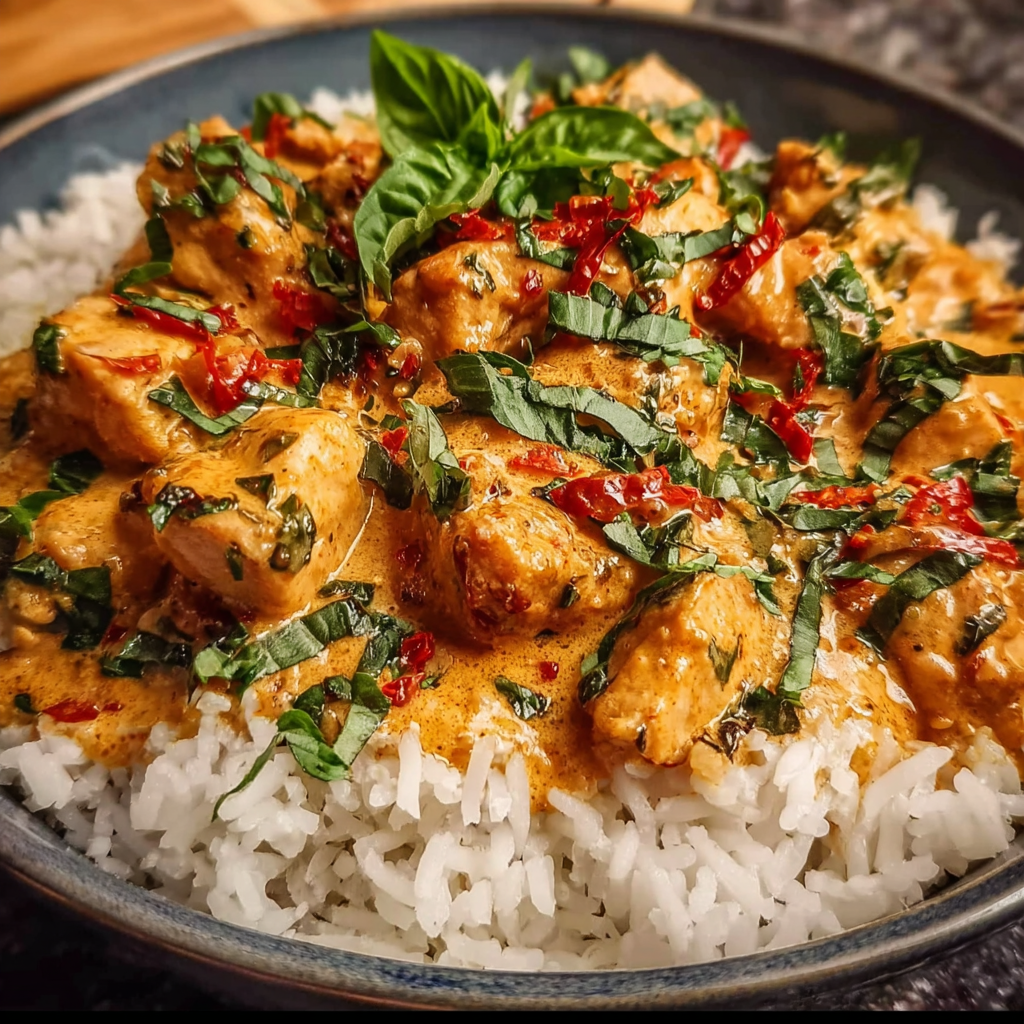
If you’re searching for a simple yet flavor-packed weeknight dinner, this Thai-inspired coconut basil chicken is the answer. With rich, aromatic ingredients and a creamy base, this dish captures the heart of Thai cuisine without being overly complicated. The savory depth of fish sauce, the sweetness of coconut milk, and the freshness of basil come together in a way that transforms basic pantry items into a vibrant and comforting meal.
This recipe combines the essence of Thai culinary traditions with Western convenience, giving home cooks an easy way to recreate restaurant-quality meals at home. It’s inspired by dishes like Thai basil chicken and creamy coconut curries that are staples in Thai households. The best part? It’s all cooked in a single pan and comes together in under 30 minutes.
With the creaminess of coconut milk, the bold touch of fish sauce, and a generous handful of fresh basil, this dish offers a comforting complexity that feels both exotic and familiar. Browse Pinterest for more creamy Thai chicken inspiration to see how versatile this combination can be. Whether you’re cooking for yourself or your family, fragrant coconut basil chicken fits effortlessly into your weeknight meal plan.
This dish not only satisfies cravings for something rich and satisfying but also adds an aromatic, herbaceous element that makes it truly unique. Think of it as your go-to comfort food—elevated by Thai flavor staples and made accessible by ingredients you can find at almost any grocery store.
What Is Coconut Basil Chicken?
Coconut basil chicken is a Thai-inspired chicken dish built around tender chicken simmered in a creamy coconut-based sauce and finished with fresh basil. Unlike heavily spiced curries, this recipe focuses on balance, letting aromatics like garlic, ginger, and onion shine. The result is a fragrant, mildly sweet, and savory meal that feels comforting while still vibrant.
It draws inspiration from Thai cuisine rather than strict tradition, similar to many modern Thai weeknight dinners. Elements like coconut milk reflect classic Thai cooking methods, as seen in dishes documented on Thai cuisine. Fresh basil adds brightness, connecting it loosely to street-style basil chicken while remaining approachable for home cooks. This flexibility defines the coconut basil chicken concept today for busy home kitchens.
Key Ingredients Breakdown
The beauty of coconut basil chicken lies in its simple, everyday ingredients that work together to create a dish that’s both rich and aromatic. Here’s a look at the key components and how they contribute to flavor and texture:
Chicken:
Use either boneless chicken thighs or breasts. Thighs offer more flavor and tenderness, while breasts cook quicker and stay lean. Thinly slicing the meat ensures it absorbs the sauce well and cooks evenly.
Coconut Milk:
A can of coconut milk (13.5 oz) provides the creamy base of the dish. Full-fat versions result in a richer texture and are preferred, although light coconut milk can be used for a lighter option. Browse coconut milk recipes for additional ideas using leftover milk.
Fresh Basil:
Essential for its fragrance and color. Thai basil is traditional, offering a slightly spicy, anise-like flavor, but regular sweet basil works well too. Add it at the end to keep its flavor and freshness intact.
Aromatics (Garlic, Onion, Ginger):
These aromatic ingredients form the flavor base. Fresh garlic and ginger add depth, while sautéed onion brings sweetness to balance the savory elements.
Fish Sauce and Soy Sauce:
Both add umami. Fish sauce is more pungent and complex, while soy sauce brings a salty balance. If you’re new to fish sauce, add a small amount and build up to taste.
Brown Sugar:
Just a teaspoon balances out the saltiness and enhances the dish’s slightly sweet Thai flavor profile. It ties the ingredients together beautifully.
Red Bell Pepper:
Adds color, crunch, and natural sweetness. It cooks quickly and offers a nice contrast to the creamy sauce.
Salt and Pepper:
Finish with these basics to enhance overall taste. Use sparingly, especially if you’re using both soy and fish sauce.
These ingredients are easy to find and come together quickly, making this a great entry point into cooking Thai-style meals at home.
Flavor Profile of the Dish
This dish brings together several layers of flavor in a way that’s satisfying but not overwhelming. It’s built around:
Creaminess: From the coconut milk, giving it a smooth, velvety sauce.
Herbaceous freshness: From the basil, added at the end for maximum impact.
Umami depth: Thanks to soy sauce and fish sauce.
Sweet and savory balance: A hint of brown sugar rounds out the saltiness.
Mild spice (optional): Add Thai chili or crushed red pepper if you like a kick.
The result is a rich yet balanced meal with a comforting texture and layers of flavor that keep every bite interesting. It’s a perfect option for those who want a Thai-inspired dinner without heavy heat. For more inspiration, explore Thai meal prep ideas.
Step-by-Step Cooking Instructions
Follow these steps for a smooth and efficient cooking experience:
Heat oil in a large skillet or wok over medium-high heat. Use a neutral oil like vegetable or canola to avoid competing flavors.
Add the chicken strips and cook for 5–6 minutes, stirring occasionally, until browned and fully cooked. Remove chicken and set aside.
In the same pan, sauté the sliced onion for 2–3 minutes until softened.
Add garlic and ginger and cook for another 1–2 minutes until fragrant. These aromatics are essential for developing flavor early in the dish.
Pour in the coconut milk, soy sauce, fish sauce (optional), and brown sugar. Stir well to combine.
Bring the sauce to a gentle simmer over medium heat.
Add sliced red bell pepper and cook for 3–4 minutes until just tender.
Return the cooked chicken to the pan and stir to coat it in the sauce. Let it simmer for 2–3 more minutes.
Stir in the fresh basil leaves, cooking just until wilted (about 1–2 minutes). This preserves the basil’s fresh, herbal character.
Taste and adjust seasoning with salt and pepper as needed.
Serve hot over rice or your preferred grain.
You can easily double this recipe or store portions for lunch the next day. For other creative uses, see Thai basil chicken variations.
Time-Saving Tips for Busy Cooks
Making Thai-style coconut basil chicken doesn’t have to be time-consuming. Here are a few ways to speed things up:
Prep ingredients ahead: Chop vegetables and slice chicken earlier in the day or night before.
Use pre-minced garlic and ginger: Available in most stores for quick flavor.
Try frozen bell peppers or pre-cooked rice: These can cut down your cooking time by several minutes.
Make a double batch: Leftovers reheat beautifully and work well for meal prep.
Check out easy Thai dinners on Pinterest for more efficient recipes.
How to Serve Coconut Basil Chicken
This dish is best served with a neutral, fluffy grain that can soak up the creamy sauce. Try these options:
Jasmine rice: Classic pairing for any Thai-style dish.
Basmati rice: Long-grain option with a lighter aroma.
Rice noodles or quinoa: Great for gluten-free alternatives.
Cauliflower rice: A low-carb option for those watching carbs.
Add garnishes like lime wedges, chopped peanuts, or additional fresh basil for a restaurant-style finish. Pair it with a light salad or steamed veggies for a complete meal.
Variations and Substitutions
Make this dish your own with these easy customizations:
Protein swaps: Use shrimp, tofu, or thinly sliced beef instead of chicken.
Vegetarian version: Omit fish sauce and replace chicken with chickpeas or tofu.
Spicy twist: Add Thai red curry paste or crushed red pepper to taste.
Extra veggies: Try zucchini, snap peas, or mushrooms for added texture.
Low-sodium: Use low-sodium soy sauce and skip the salt.
Want more ideas? Browse creamy Thai chicken recipes for alternative variations.
Storage and Meal Prep Tips
This dish stores well, making it perfect for meal prepping or enjoying leftovers:
Refrigerator: Store in an airtight container for up to 4 days.
Freezer: Freeze in individual portions for up to 2 months. Reheat gently to avoid curdling the coconut milk.
Reheat on stove or microwave: Add a splash of water or coconut milk if the sauce thickens too much.
Explore Thai meal prep tips for more time-saving ideas and inspiration.
Nutritional Information (Approximate)
Here’s an approximate breakdown per serving (excluding rice):
Calories: 380–420
Protein: 28–32g
Fat: 24–28g
Carbs: 12–15g
Dairy-free and gluten-free when using gluten-free soy sauce
Using full-fat coconut milk increases richness but also adds calories. For a lighter version, opt for light coconut milk.
Why You’ll Love This Recipe
This fragrant coconut basil chicken is perfect when you want something delicious without much effort. Reasons to love it:
Bold flavor: A mix of sweet, savory, and herby elements.
Easy to make: One pan, minimal prep, quick cleanup.
Customizable: Swap proteins, veggies, or spice levels.
Family-friendly: Not too spicy and great for leftovers.
Perfect for meal prep: Holds up well in the fridge or freezer.
It’s a must-have addition to your list of go-to Thai-inspired weeknight dinners.
FAQs – Based on “People Also Ask”
Can I use light coconut milk instead of full-fat?
Yes, light coconut milk works if you prefer a lower-calorie dish, though the sauce will be less creamy.
What’s the difference between Thai basil and regular basil?
Thai basil has a peppery, anise-like flavor, while regular sweet basil is milder. Either works, but Thai basil adds authenticity.
Is fish sauce necessary for the recipe?
Fish sauce adds a deep umami flavor, but you can skip it or use soy sauce or tamari for a vegetarian alternative.
How can I make this dish spicier or milder?
Add Thai chili, red curry paste, or crushed red pepper for heat. Omit spicy ingredients entirely for a mild version.
What protein alternatives work best in this recipe?
Shrimp, tofu, chickpeas, or sliced beef all pair well with the creamy coconut and basil flavors.
Can I make this coconut basil chicken in a slow cooker?
Yes, cook chicken and sauce on low for 4–5 hours. Add basil and bell peppers in the last 30 minutes.
How long does coconut basil chicken last in the fridge?
It stays fresh for up to 4 days in an airtight container.
What vegetables go well with Thai coconut chicken?
Bell peppers, zucchini, snap peas, baby corn, mushrooms, and carrots are all great additions or substitutions.