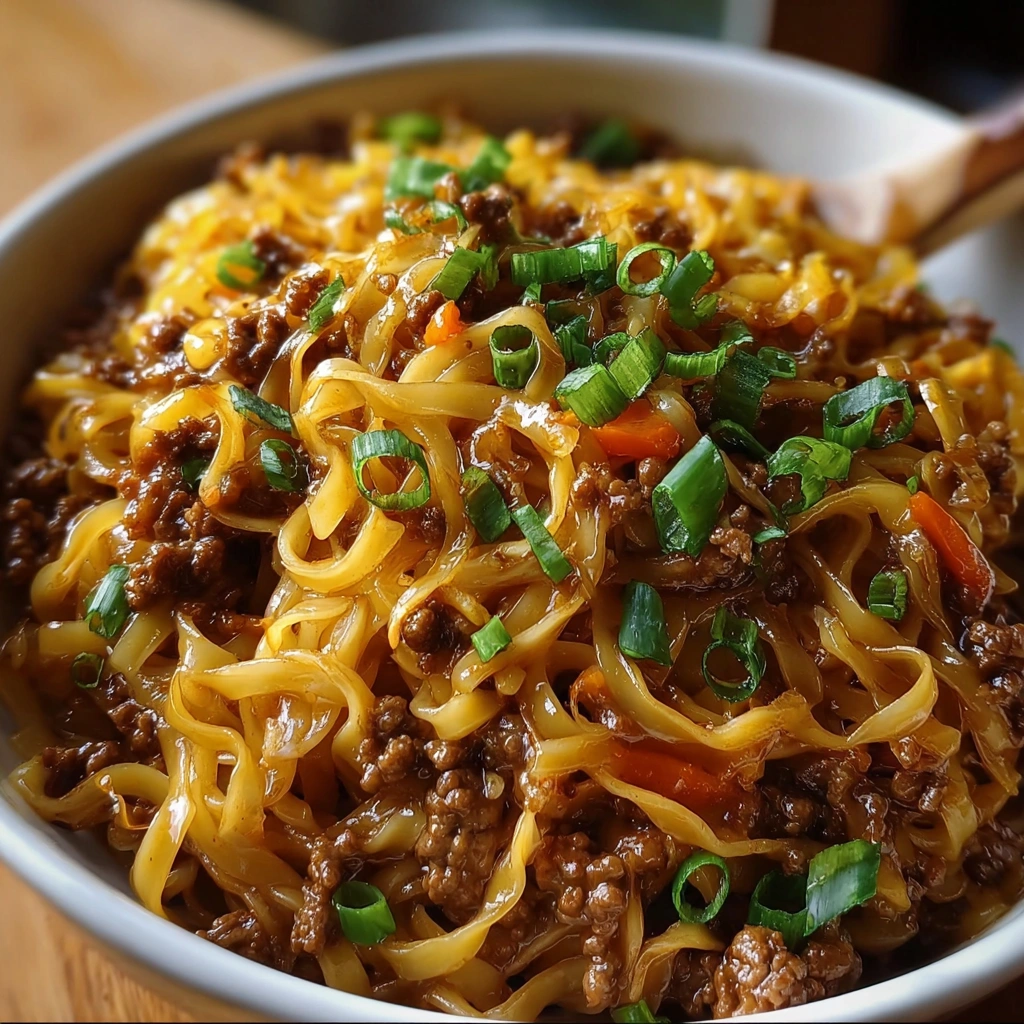
When you’re looking for a fast, flavorful, and filling meal, Mongolian ground beef noodles deliver everything you need. This easy one-pan dinner is packed with sweet, savory, and slightly spicy notes, making it a household favorite for busy weeknights. What makes this dish shine is its irresistible sauce, comforting noodles, and the juicy, crispy texture of well-browned ground beef.
Inspired by classic Mongolian beef, this noodle variation simplifies the dish without losing any of the bold flavor. Unlike more time-consuming stir-fry recipes, it requires only a few simple steps, readily available ingredients, and minimal cleanup. Whether you’re craving takeout-style noodles or looking for a new way to use ground beef, this recipe is your new go-to.
Looking to understand more about the Asian roots of this recipe? Read about the rich traditions of Asian cuisine and the fundamentals of the stir-frying technique that make these dishes so aromatic and fast to prepare.
🌏 Origin & inspiration behind the dish
While Mongolian ground beef noodles may sound exotic, the dish itself is a fusion-style creation commonly found in American-Chinese cuisine. It is loosely based on Mongolian beef—a dish that, despite its name, does not originate from Mongolia. Instead, Mongolian beef is a Chinese-American stir-fry featuring thin slices of beef in a sweet soy-based sauce.
This noodle version takes that core flavor and translates it into a more accessible, home-cooked format using ground beef instead of steak. It’s also influenced by Western preferences for hearty pasta-like meals, making it a perfect blend of cultures and flavors.
The use of hoisin sauce adds sweet umami depth, a staple in many hoisin sauce-based dishes. Combined with garlic, ginger, and soy sauce, the resulting dish gives you the best of both culinary worlds.
If you’re a fan of visually enticing recipes, check out these inspiring easy beef recipes and Asian noodle bowls on Pinterest.
🥢 Ingredient breakdown & substitutions
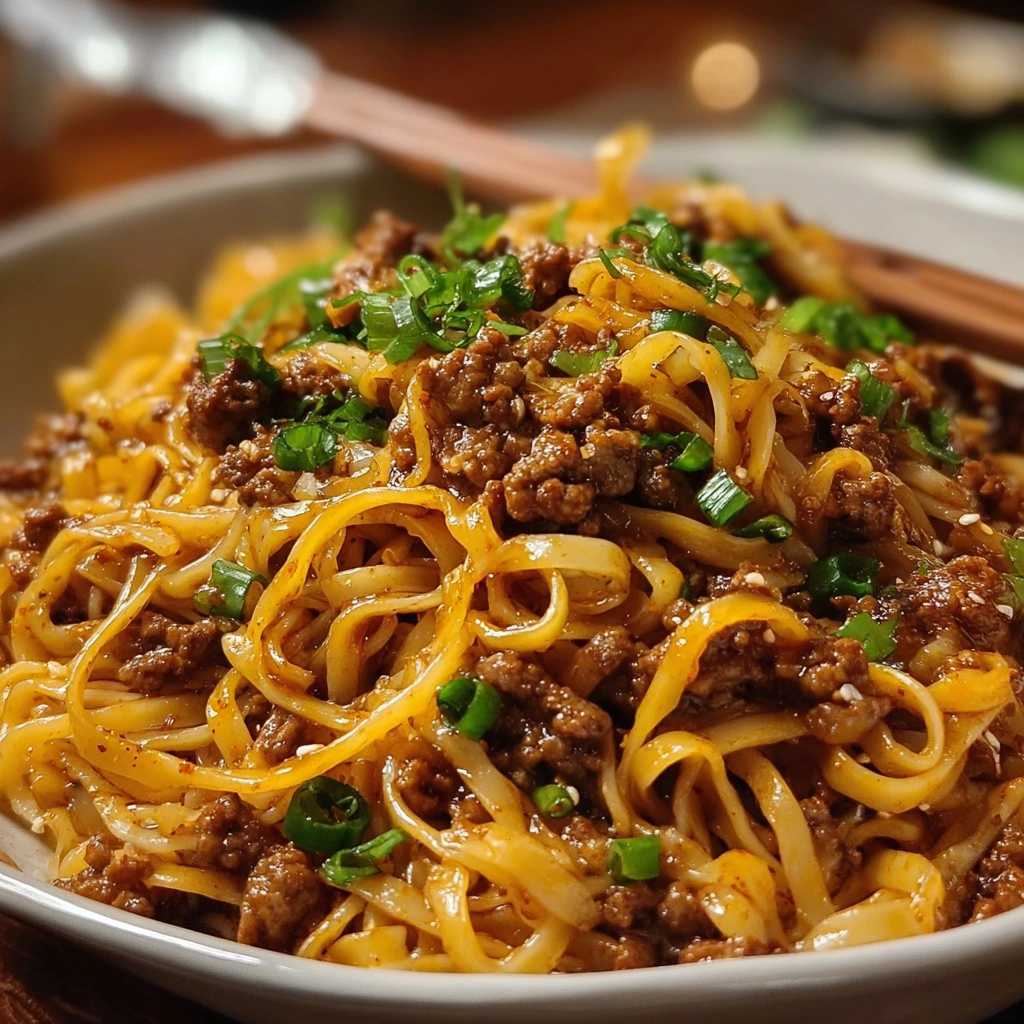
To make Mongolian ground beef noodles, you’ll need a mix of pantry staples and fresh ingredients. The recipe is versatile and easy to adjust based on dietary needs or what’s in your fridge.
Protein: Ground beef
-
1 lb ground beef (80/20 or 85/15)
Choose lean-to-fat ratios like 80/20 or 85/15 for best texture and flavor. If you’d prefer a lighter option:-
Substitute with ground turkey or chicken
-
Use plant-based ground meat for a vegetarian version
-
Noodles
-
8 oz wide noodles
Ideal choices include:-
Lo mein noodles (for an authentic texture)
-
Spaghetti (great pantry substitute)
-
Rice noodles (gluten-free option)
-
Cooking tip: Boil noodles until al dente, drain, and toss with a little oil to prevent sticking.
Flavor base: Aromatics
-
3 cloves garlic, minced
-
1 tbsp fresh ginger, grated
-
4 green onions, sliced
Save a handful for garnish to add color and freshness.
Sauce ingredients
-
1/4 cup low-sodium soy sauce
Learn more about soy sauce and why the low-sodium version helps balance flavors. -
2 tbsp brown sugar (or substitute with honey or coconut sugar)
-
2 tbsp hoisin sauce
-
1/2 tsp sriracha or red pepper flakes (adjust to taste)
-
1 tsp cornstarch
-
1/2 cup water
These components come together to create a glossy, thick sauce that clings to the noodles beautifully.
Oils and cooking base
-
1 tbsp vegetable oil (for sautéing)
-
1 tsp sesame oil for nutty finish
Learn about the culinary uses of sesame oil and how it enhances Asian dishes.
Garnishes
-
Sesame seeds
-
Fried shallots
-
Lime wedges (optional for brightness)
👨🍳 Step-by-step cooking instructions
Making this dish is a straightforward process that comes together in just about 30 minutes.
-
Cook the noodles
Boil noodles according to package instructions until al dente. Drain and rinse if needed. Toss with a little sesame oil to keep them from sticking. -
Brown the beef
In a large skillet or wok, heat the vegetable oil over medium-high heat. Add the ground beef and cook until deeply browned and crispy on the edges. Drain excess fat if necessary. -
Add aromatics
Push the beef to the sides of the pan. In the center, sauté garlic and ginger for about 1 minute, until fragrant. -
Prepare and add sauce
In a small bowl, whisk together soy sauce, brown sugar, hoisin sauce, water, cornstarch, and sriracha. Pour over the beef and stir well. Simmer for 2–3 minutes until the sauce thickens. -
Combine with noodles
Add the cooked noodles to the skillet. Toss everything together so the sauce coats the noodles evenly. Drizzle with sesame oil and stir in most of the green onions. -
Garnish and serve
Plate the noodles and sprinkle with sesame seeds, remaining green onions, and optional fried shallots. Serve hot with lime wedges if desired.
✅ Why this recipe works
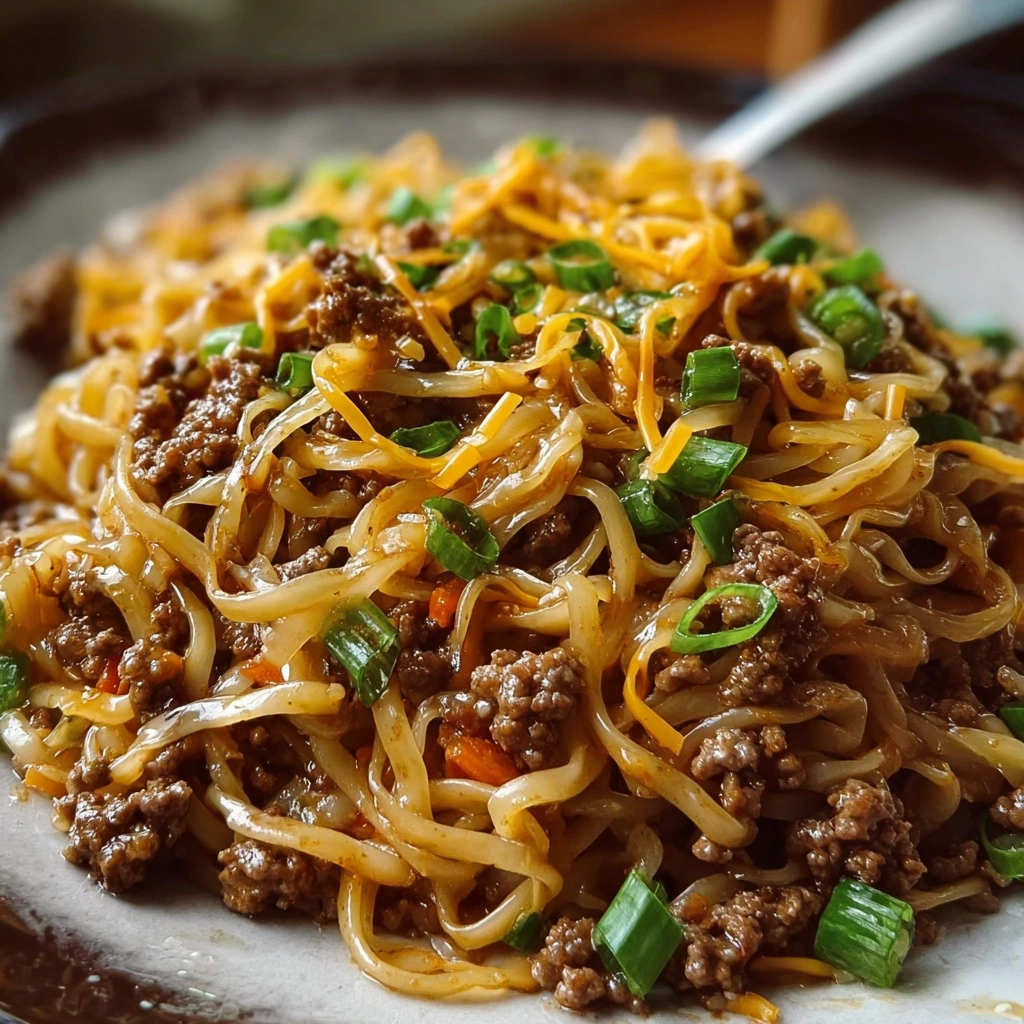
This recipe strikes the perfect balance between convenience and taste. Here’s why it consistently gets rave reviews:
-
Uses minimal ingredients with maximum flavor
-
Comes together in under 30 minutes
-
Family-friendly with options for customization
-
One-pan meal = easy cleanup
-
Bold, addictive flavors thanks to the umami-rich sauce
It also falls beautifully into the category of comfort food dishes, delivering warm satisfaction in every bite.
💡 Tips for success
To make sure your Mongolian ground beef noodles turn out perfect every time, keep these tips in mind:
-
Noodle prep: Don’t overcook your noodles. Al dente ensures they won’t turn mushy when combined with the sauce.
-
Searing the beef: Use high heat to develop a crispy crust. Avoid overcrowding the pan.
-
Sauce consistency: If too thick, add a splash of water. If too thin, simmer longer or add a bit more cornstarch slurry.
-
Batch cooking: Double the recipe and refrigerate for up to 4 days for easy meal prep.
🔄 Variations and customizations
One of the best parts about this dish is how adaptable it is. Here are a few ways to switch it up:
-
Vegetarian/Vegan
Use tofu or plant-based ground meat and a vegan hoisin sauce. -
Low-carb or keto
Swap out noodles for:-
Zucchini noodles (zoodles)
-
Shirataki noodles
-
Steamed cabbage strips
-
-
Add vegetables
Stir-fry these with the beef or serve on the side:-
Bell peppers
-
Snap peas
-
Shredded carrots
-
Mushrooms
-
-
Protein options
Don’t have ground beef? Try:-
Ground turkey
-
Ground chicken
-
Crumbled tempeh
-
🍱 What to serve with Mongolian ground beef noodles
While this dish is hearty enough to stand alone, it pairs wonderfully with sides that contrast or complement its bold flavor.
Great pairings include:
-
Crisp cucumber salad
-
Steamed or fried dumplings
-
Egg drop soup or miso soup
-
Kimchi or pickled vegetables for tang
For drinks, green tea or sparkling water with lime offers a refreshing contrast.
🧊 Storage and reheating tips
Leftovers? No problem! This dish stores well and reheats beautifully.
-
Fridge: Store in an airtight container for up to 4 days.
-
Freezer: Freeze individual portions in freezer-safe containers for up to 2 months.
-
Reheating: Reheat in a skillet over medium heat with a splash of water to loosen the sauce. Alternatively, microwave in 1-minute bursts, stirring in between.
Avoid overcooking during reheating, as the noodles can get mushy.
🥗 Healthier swaps and dietary info
Want to make this dish a little healthier? Try these adjustments without sacrificing taste:
-
Low-sodium soy sauce or tamari (gluten-free) helps reduce salt intake.
-
Swap brown sugar for natural sweeteners like maple syrup or coconut sugar.
-
Use whole wheat noodles or gluten-free rice noodles.
-
Substitute ground turkey or lean beef for a lower-fat version.
Nutritional estimates per serving (based on 4 servings):
-
Calories: ~550–600
-
Protein: ~25g
-
Carbs: ~45g
-
Fat: ~30g
-
Fiber: ~3g
Check with your dietitian if you have allergies to soy or gluten.
❓ Frequently asked questions (FAQs)
Here are some common questions about Mongolian ground beef noodles:
What kind of noodles are best for Mongolian ground beef?
Lo mein noodles work best for their chewy texture, but spaghetti, udon, or rice noodles also work well.
Can I make this recipe ahead of time?
Yes! Cook and store all components separately. Reheat and combine before serving to preserve texture.
Is Mongolian beef the same as Szechuan beef?
No. Mongolian beef is sweeter and mild, while Szechuan beef is spicier and often uses Szechuan peppercorns.
How do I make the sauce thicker or thinner?
To thicken, simmer longer or add more cornstarch slurry. To thin it, add a bit more water or broth.
Can I use leftover spaghetti for this recipe?
Absolutely. Just rinse it before adding to remove any sauce or oil that may conflict with the new flavor.
🍽️ Final thoughts and serving suggestions
Mongolian ground beef noodles are proof that comfort food doesn’t have to be complicated. With bold, rich flavor and an easy cooking process, it’s a recipe that deserves a spot in your regular dinner rotation.
Serve with steamed veggies or enjoy it on its own. Add a little spice or keep it mild—the choice is yours. Whether you’re cooking for one or feeding a crowd, this dish offers delicious results with minimal effort.
Ready to make your own? Try it tonight and taste why this fusion dish is quickly becoming a kitchen staple.