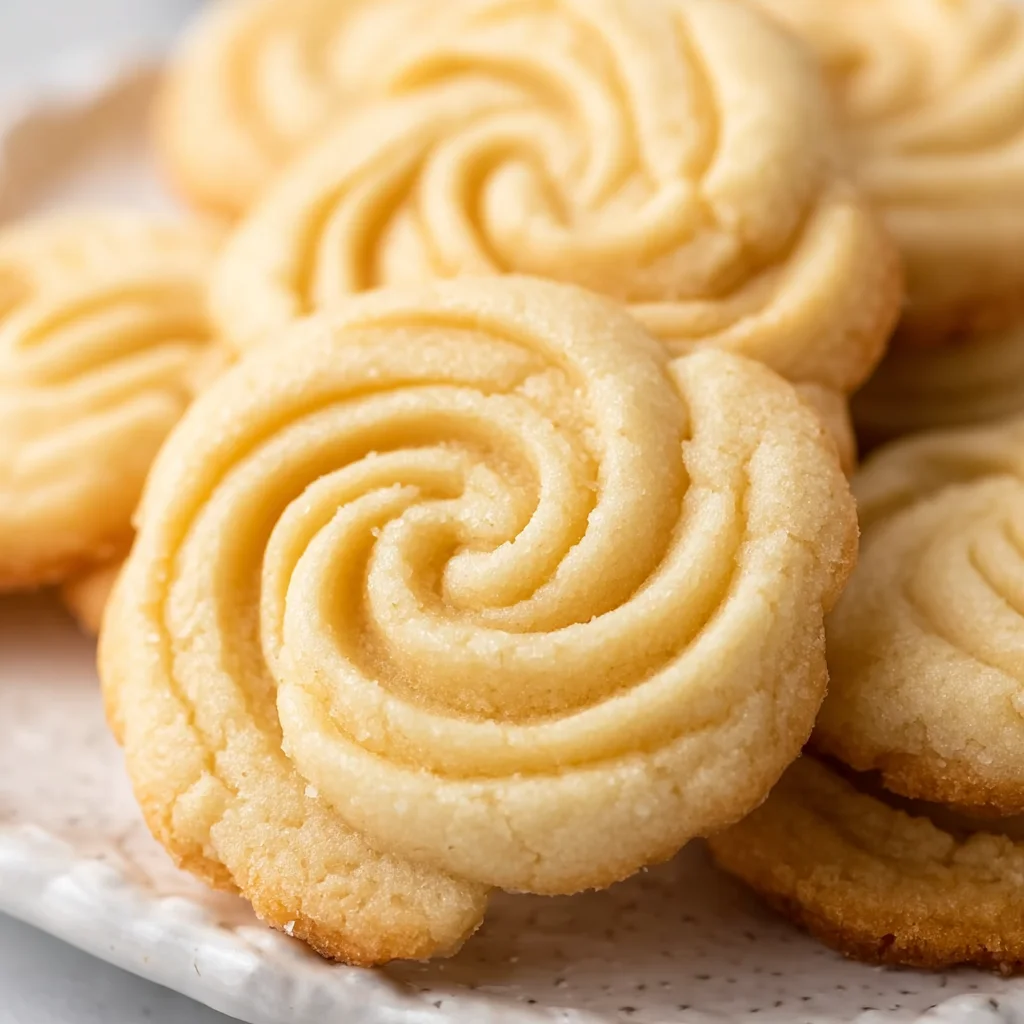
Few things evoke warm memories like the scent of freshly baked cookies wafting through the kitchen. Melt in your mouth butter cookies are a classic treat that combines simplicity with indulgent flavor and texture. These cookies are known for their rich, buttery flavor and delicate crumb that quite literally melts the moment you bite into them.
What sets these cookies apart from others is their straightforward ingredient list—just three core ingredients—and their versatility. Perfect for holidays, tea parties, or everyday snacking, butter cookies are a favorite among beginner bakers and professionals alike. Unlike more complex desserts, these cookies rely on technique and quality ingredients to shine.
In fact, variations of these cookies have been loved globally, from shortbread in Scotland to Danish butter cookies, showcasing their cultural and culinary influence. You can learn more about the traditional roots of these cookies through Wikipedia’s article on Shortbread, which details the history and evolution of these crumbly, rich delights.
For decorating or presenting your cookies, you’ll find plenty of inspiration on Pinterest’s butter cookie decorating ideas board. With only a few tweaks, you can adapt this simple cookie for any season or event.
🧈 Ingredients breakdown for butter cookies
A big part of what makes butter cookies melt in your mouth is the high-fat content from real, unsalted butter. The simplicity of the ingredients means that every component must be high quality to create the ideal flavor and texture.
Unsalted butter
-
Use 1 cup (2 sticks) of unsalted butter, softened to room temperature.
-
Butter provides the essential fat that makes the cookies tender and rich.
-
Make sure the butter is soft but not melted, so it creams properly with sugar.
For more on butter’s culinary roles, check out Butter on Wikipedia to understand how it contributes to texture and flavor in baking.
Powdered sugar
-
Use ½ cup of powdered sugar (also called icing sugar or confectioners’ sugar).
-
This sugar dissolves easily and gives the cookies their signature smooth and delicate mouthfeel.
-
Unlike granulated sugar, powdered sugar avoids grittiness, ensuring a tender crumb.
If you’re curious about how powdered sugar is made and why it’s ideal for certain desserts, Wikipedia’s entry on powdered sugar offers a deep dive.
All-purpose flour
-
Use 2 cups of all-purpose flour.
-
This provides the structure that holds the cookies together.
-
For a more tender result, sift the flour before adding it to the dough.
You can explore All-purpose flour’s Wikipedia page to understand how different types of flour impact baked goods.
These three ingredients come together in perfect harmony to create a cookie that’s light, buttery, and truly melts in your mouth.
🥄 Step-by-step instructions for baking
Following the correct method ensures that your melt in your mouth butter cookies turn out just right—light, tender, and flavorful.
Preparing the dough
-
Preheat your oven to 350°F (175°C). Line a baking sheet with parchment paper.
-
In a large mixing bowl, beat the softened butter and powdered sugar together with a hand mixer or stand mixer on medium speed for 2–3 minutes until fluffy.
-
Scrape down the sides of the bowl to make sure everything is fully mixed.
-
Gradually add the all-purpose flour, ½ cup at a time, and mix on low speed until fully combined.
-
If the dough looks crumbly, knead gently by hand until it comes together.
This mixing method helps develop a smooth, cohesive dough while keeping the crumb light.
Shaping options
-
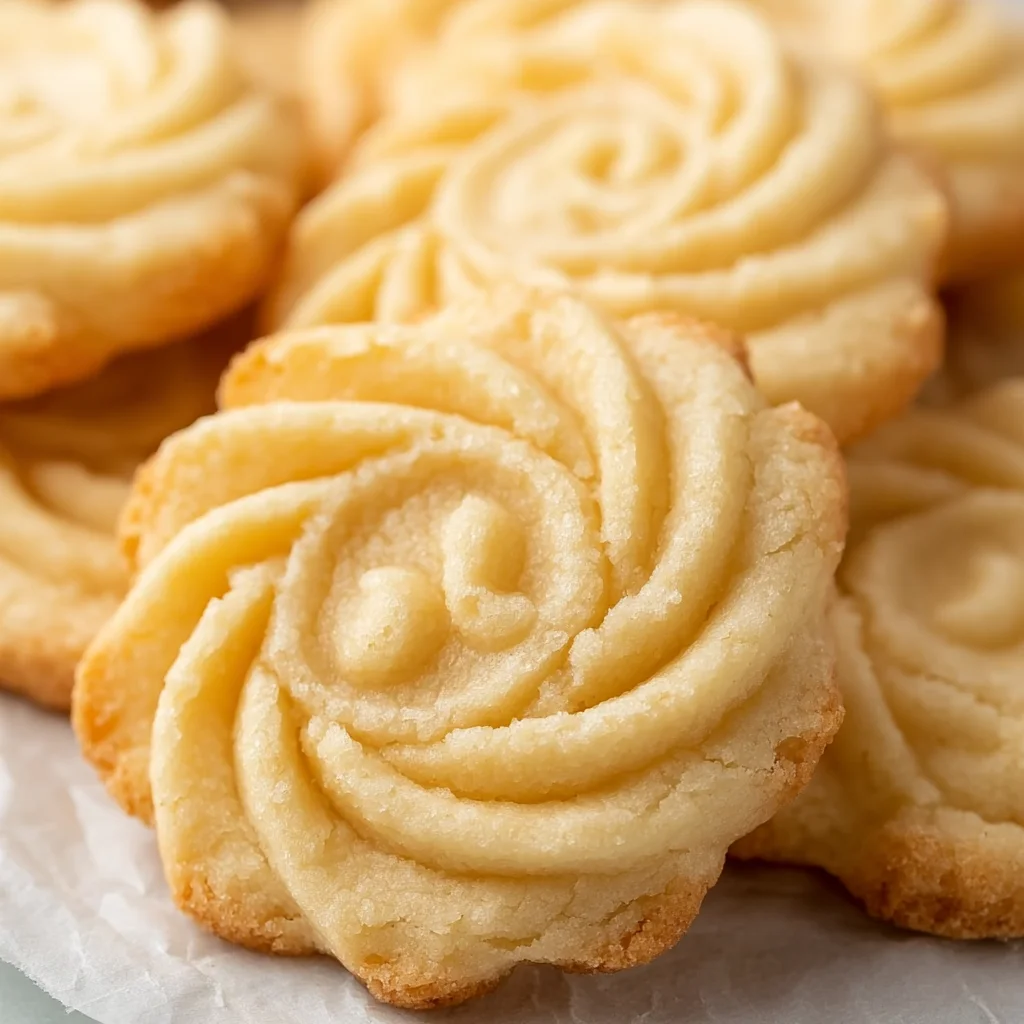
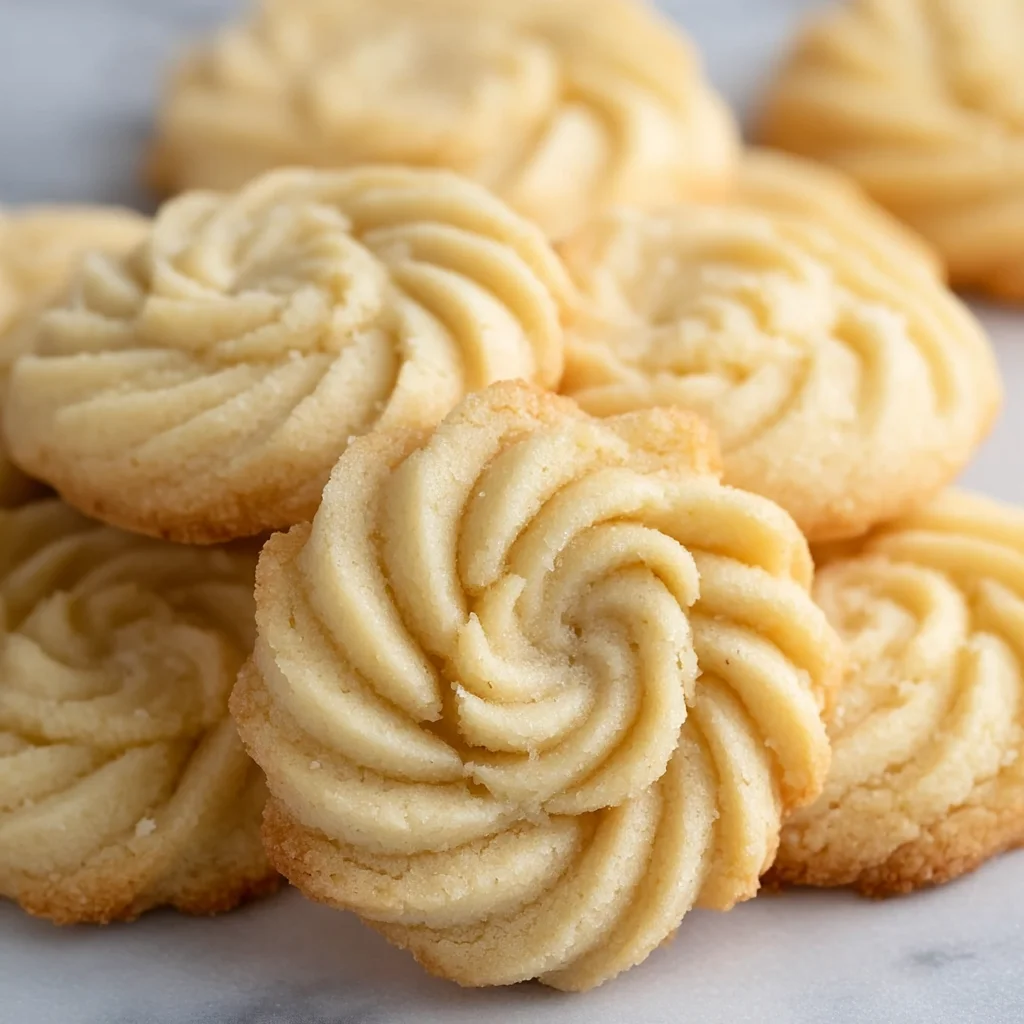
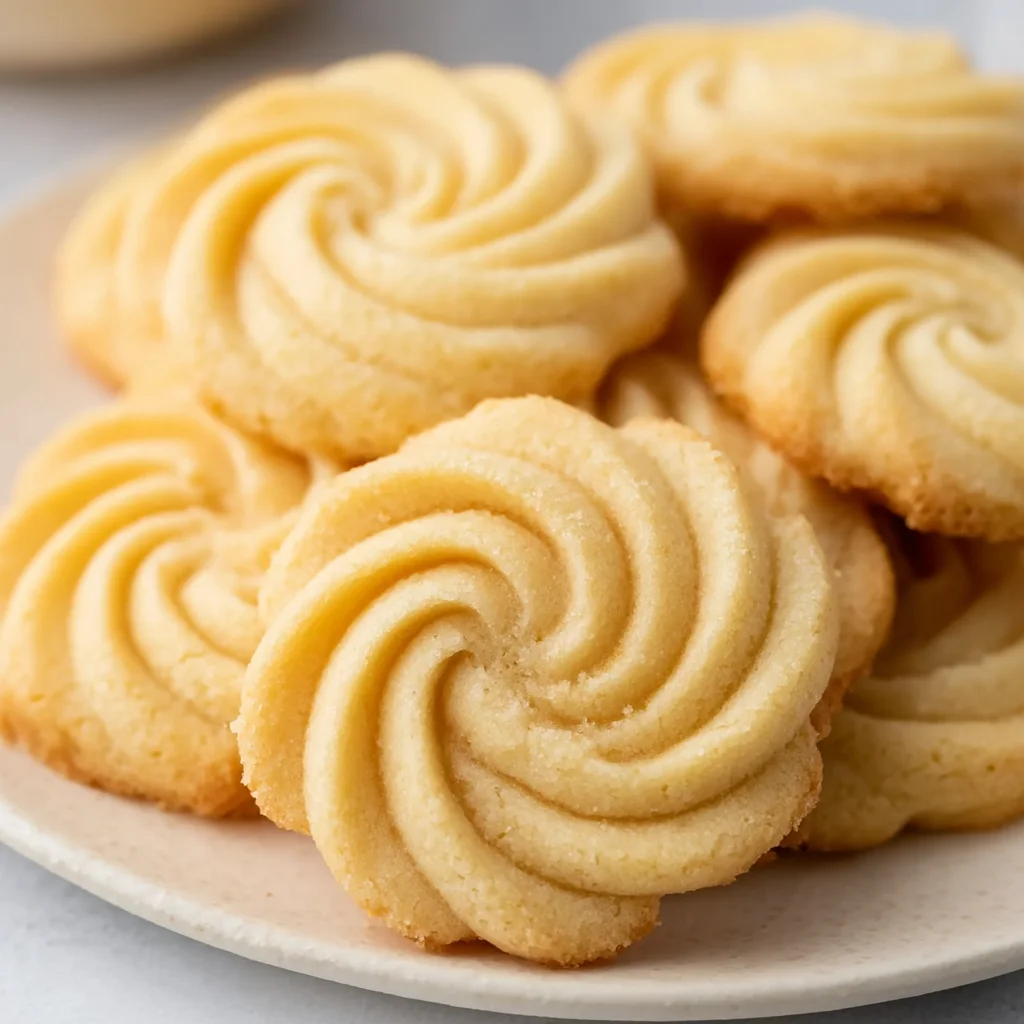
Piped cookies: Use a pastry bag with a large star tip to pipe swirls or rosettes directly onto the baking sheet. Learn about how to use a pastry bag for better control and aesthetic results.
-
Simple round cookies: Scoop out a tablespoon of dough, roll it into a ball, and flatten slightly with a fork or glass.
Pinterest has some creative examples of cookie presentations. For visual ideas, explore Pinterest’s holiday cookie tray inspiration.
Baking the cookies
-
Bake in the preheated oven for 12–15 minutes.
-
Look for light golden edges while the center remains pale.
-
Avoid overbaking; the cookies should remain soft.
-
Cool on the sheet for 5 minutes, then transfer to a wire rack.
These steps preserve the delicate texture and ensure the cookies maintain their melt-in-the-mouth quality.
🎯 Pro tips for perfect butter cookies
To truly master this recipe, consider the following baking tips that professional bakers swear by:
-
Always use room temperature butter for proper creaming.
-
Don’t overmix once the flour is added; it can make the cookies tough.
-
If the dough is too soft to pipe or handle, refrigerate for 10–15 minutes.
-
Line baking sheets with parchment to avoid sticking and spreading.
-
Use a cookie scoop for uniform size, ensuring even baking.
-
Let the cookies cool fully before storing to prevent sogginess.
By following these tips, your cookies will not only taste amazing but also look bakery-perfect.
🚫 Common mistakes to avoid
Baking may seem simple, but a few common missteps can sabotage your cookies:
-
Cold butter will not cream properly, resulting in a dense dough.
-
Melted butter will make the dough too runny to shape.
-
Overbaking dries out the cookies and ruins the texture.
-
Using too much flour (especially if scooped without measuring properly) can make the cookies dry and hard.
-
Skipping parchment paper may lead to cookies spreading or sticking.
Avoiding these issues guarantees soft, buttery cookies that melt in your mouth every time.
🧬 Why these cookies melt in your mouth
The secret lies in the ingredient ratio and baking science. Here’s why these cookies have such a delicate texture:
-
High butter content creates a short, tender crumb.
-
Powdered sugar dissolves more thoroughly than granulated sugar, preventing grittiness.
-
No eggs mean there’s less structure and more crumbly tenderness—similar to shortbread.
This structure allows the cookies to break apart softly and literally dissolve on your tongue, earning them the name melt in your mouth butter cookies.
🧁 Variations and flavor twists
Want to put your own spin on this recipe? Try some of these delicious variations:
-
Vanilla extract: Add 1 teaspoon for added depth.
-
Almond extract: A great pairing with powdered sugar for a European twist.
-
Lemon or orange zest: Adds brightness and a citrusy aroma.
-
Drizzle with chocolate or dip half of each cookie in melted chocolate.
-
Sprinkles for a festive look (especially around the holidays).
-
Roll in powdered sugar after baking for a snowball effect.
To find creative decorating styles for cookies, visit Pinterest’s simple cookie recipes board for ideas.
❄️ Storing and freezing butter cookies
Butter cookies are perfect for make-ahead baking or gifting. Here’s how to store them properly:
-
Store cooled cookies in an airtight container at room temperature for up to 1 week.
-
Place parchment between layers to prevent sticking.
-
To freeze:
-
Freeze unbaked dough in logs or discs.
-
Or freeze baked cookies in airtight bags.
-
-
Thaw cookies at room temperature for 30 minutes before serving.
This makes it easy to always have delicious, homemade butter cookies on hand for surprise guests or last-minute gifts.
🫖 Serving suggestions
These cookies are incredibly versatile and pair beautifully with many drinks and occasions:
-
Enjoy with tea, coffee, or hot chocolate.
-
Serve on holiday cookie trays or as part of a dessert buffet.
-
Wrap in clear bags and ribbons for gift-giving.
-
Use for cookie swaps, baby showers, or brunches.
-
Pair with fruit preserves or lemon curd for a sweet contrast.
Need presentation ideas? Get inspired by Pinterest’s butter cookie gift ideas.
🌍 Butter cookies around the world
Butter cookies are a global favorite, with regional variations found across continents:
-
Scotland: Known as shortbread, often includes a pinch of salt for balance.
-
Denmark: Features in decorative tins, especially during the holidays.
-
France: Sablés are a similar type of crisp butter cookie.
-
India: Nankhatai is a spiced butter cookie without eggs.
These cookies may vary slightly in texture or flavor, but they all highlight the universal appeal of buttery, tender cookies.
Explore more on global baking traditions through Wikipedia’s article on baking, which outlines methods and cultural differences.
❓ FAQs – people also ask
Why do butter cookies melt in your mouth?
The high butter content combined with powdered sugar and no eggs creates a soft, short crumb that melts on the tongue.
Can I use margarine instead of butter?
Yes, but the flavor and texture will be noticeably different. Butter gives a richer taste and better mouthfeel.
Can I make these cookies gluten-free?
Yes! Substitute a 1:1 gluten-free flour blend for all-purpose flour. Be sure the blend includes xanthan gum for structure.
Why are my butter cookies hard?
This often happens due to overbaking or using too much flour. Proper measurement and timing are essential.
Should butter cookies be refrigerated?
No need. Store in an airtight container at room temperature for freshness. For longer storage, freeze instead.
🎉 Final thoughts and encouragement to bake
Whether you’re baking for the holidays or simply craving a sweet treat, melt in your mouth butter cookies are a perfect choice. They’re easy to make, require minimal ingredients, and deliver maximum satisfaction.
This recipe proves that you don’t need a complicated list of items to create something delicious. A little butter, sugar, and flour can go a long way. Once you’ve mastered the base, you can experiment with countless variations, making it a staple recipe in your kitchen.
Take inspiration from the countless beautiful cookie displays on Pinterest’s holiday cookie tray board or explore gifting styles with butter cookie gift ideas.
So, preheat that oven, soften your butter, and get baking. These cookies are guaranteed to disappear fast—and leave everyone asking for the recipe.
PrintMelt in Your Mouth Butter Cookies

These classic butter cookies are delicate, soft, and truly melt in your mouth. With just three main ingredients, they’re incredibly easy to make and perfect for holidays, gifts, or tea time. Customizable and freezer-friendly, these cookies are a go-to recipe for beginners and pros alike.
- Prep Time: 10 minutes
- Cook Time: 15 minutes
- Total Time: 25 minutes
- Yield: Makes about 24–30 cookies, depending on size and shape 1x
- Category: Dessert
- Method: Baked
- Cuisine: American
Ingredients
1 cup (2 sticks) unsalted butter, softened to room temperature
½ cup powdered sugar (also called icing sugar or confectioners’ sugar)
2 cups all-purpose flour, sifted
Optional:
1 tsp pure vanilla extract (for added flavor)
Zest of 1 lemon or orange (for citrus flavor)
Pinch of salt, if using unsalted butter
Sprinkles, melted chocolate, or extra powdered sugar for decoration
Instructions
Step 1: Prep the oven and baking sheet
-
Preheat your oven to 350°F (175°C).
-
Line a baking sheet with parchment paper or a nonstick silicone baking mat.
Step 2: Cream the butter and sugar
-
In a large mixing bowl, beat 1 cup softened unsalted butter and ½ cup powdered sugar together using a hand mixer or stand mixer on medium speed.
-
Beat for 2–3 minutes, until the mixture becomes light, fluffy, and pale in color.
-
Scrape down the sides of the bowl as needed.
Step 3: Add flour
-
Gradually add 2 cups sifted all-purpose flour, about ½ cup at a time, mixing on low speed until fully incorporated.
-
The dough may appear crumbly at first but will come together as you continue to mix.
-
If needed, gently knead the dough by hand until soft and pliable.
Step 4: Shape the cookies
You have two shaping options:
-
For piped cookies: Transfer the dough into a piping bag fitted with a large open star tip. Pipe small rosettes or swirls onto the lined baking sheet, leaving 1 inch of space between each.
-
For round cookies: Scoop 1 tablespoon of dough, roll it into a ball, place it on the sheet, and flatten slightly with a fork or the bottom of a glass.
Step 5: Bake
-
Bake for 12–15 minutes, or until the edges are just beginning to turn light golden brown.
-
Avoid overbaking; the cookies should remain pale and tender.
Step 6: Cool
-
Let cookies cool on the baking sheet for 5 minutes, then transfer them to a wire rack to cool completely.
-
Optional: Dust with extra powdered sugar or drizzle with melted chocolate once cooled.
Notes
-
Butter: Always use room-temperature butter for proper creaming. Cold butter won’t whip properly, and melted butter will make the dough too soft.
-
Flour: Measuring the flour correctly is critical. Spoon and level your flour, or weigh it for precision (240g for 2 cups).
-
Chilling (Optional): If your dough is too soft for piping or shaping, chill it in the refrigerator for 10–15 minutes.
-
Decorating: Add sprinkles before baking or dip cooled cookies in white/dark chocolate.
-
Storage: Store in an airtight container at room temperature for up to 1 week or freeze for up to 3 months.
-
Flavor Ideas: Swap vanilla extract for almond, or add citrus zest for a fresh twist.