Why This Easy Vegetable Fried Rice Beats Takeout
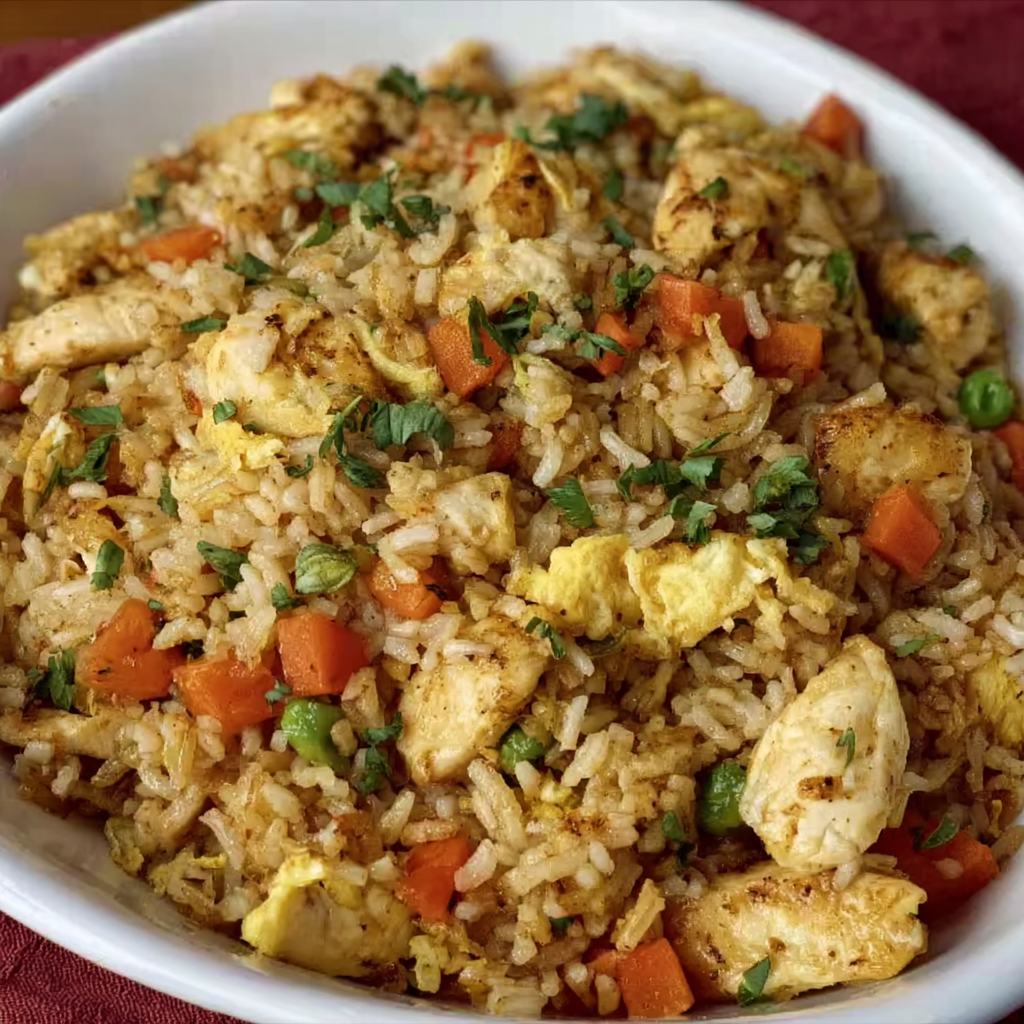
Skip the delivery app — easy vegetable fried rice is your new go-to weeknight hero. With simple ingredients, a one-pan cooking method, and bold flavors, this recipe delivers everything you love about restaurant-style fried rice — but made faster, fresher, and healthier right at home.
One of the best things about this dish is how flexible it is. Whether you’re cleaning out your fridge or using a bag of frozen veggies, this recipe works with what you have. It’s also naturally budget-friendly, making it perfect for students, families, or anyone looking to reduce their takeout spending without giving up flavor. Plus, when you make it yourself, you get total control over what goes in — less oil, less salt, more vegetables.
Using day-old rice is one of the secrets to making fried rice that rivals your favorite takeout. This simple trick ensures the rice has a firmer texture and prevents it from turning mushy in the pan. According to the Wikipedia article on stir-frying, high-heat cooking techniques like stir-frying not only speed up the process but also help preserve nutrients in vegetables. This makes dishes like vegetable fried rice both fast and nutritionally balanced.
Looking for creative ways to present your dish or add vibrant colors to your plate? Platforms like Pinterest offer endless inspiration on how to style your fried rice for everything from casual dinners to meal prep containers.
This better-than-takeout vegetable fried rice isn’t just about saving time — it’s about elevating your home cooking game with minimal effort.
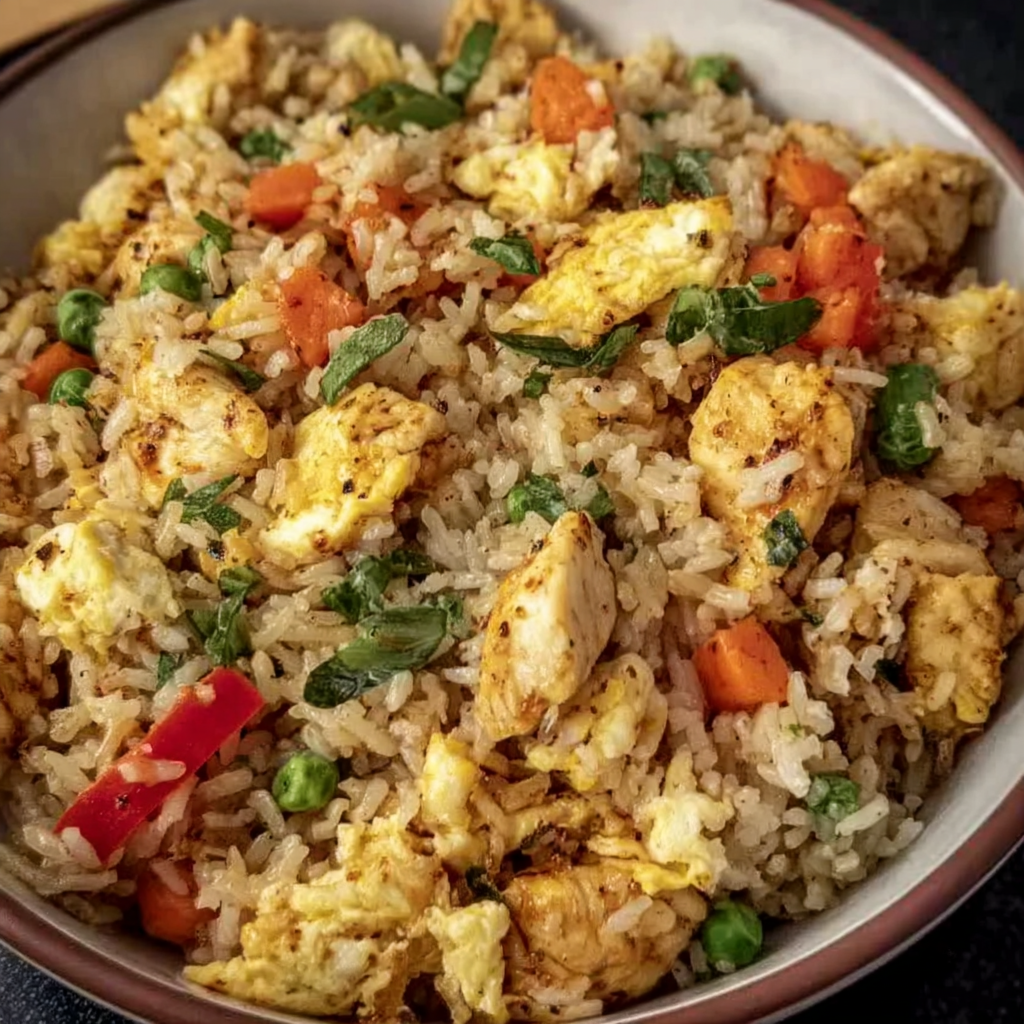
What Makes This Fried Rice Recipe So Easy?
What makes this recipe effortless is its simplicity. Easy vegetable fried rice relies on pantry staples, minimal prep, and one hot pan. There is no marinating, no complicated sauces, and no long cooking time. Everything cooks quickly, making this quick vegetable fried rice ideal for busy weeknights and beginner home cooks.
Another reason it works so well is the cooking method. Using a wide skillet or wok allows moisture to evaporate fast, which is essential for proper texture. The Wikipedia page on woks and soy sauce explains why high heat and umami-rich seasoning are key.
The ingredient list is also forgiving and customizable. Frozen vegetables save time, while aromatics like garlic add depth. If you enjoy visual inspiration or meal prep ideas, Pinterest boards such as healthy Asian recipes and easy dinner meal prep show how adaptable this dish can be for cooks at any skill level and busy households.
Ingredients Breakdown
This vegetable fried rice recipe uses simple, accessible ingredients — but each one plays an important role in achieving that better-than-takeout flavor and texture.
-
Cooked Rice (3 cups)
Cold, day-old rice is ideal. Freshly cooked rice can become mushy during stir-frying. Leftover jasmine rice or long-grain rice provides the firm texture needed for authentic fried rice. Learn more about jasmine rice and its ideal uses in stir-fry dishes. -
Vegetable Oil (2 tbsp)
Neutral oils like vegetable, canola, or peanut oil handle high heat well. A hot pan and quick cooking are essential techniques in stir-frying, which is why oil choice matters. -
Onion (1 small, finely chopped)
Adds sweetness and depth to the base of the dish. -
Garlic (2 cloves, minced)
Fresh garlic enhances the savory aroma. According to Wikipedia, garlic also has health benefits and adds complexity to simple meals. -
Frozen Mixed Vegetables (1 cup)
A mix of peas, carrots, and corn adds color, texture, and nutrition. No need to chop or prep — they go straight from freezer to pan. -
Eggs (2, lightly beaten)
Scrambled eggs add protein and a silky texture. For a vegan version, these can be omitted or replaced with tofu. -
Soy Sauce (3 tbsp)
Essential for umami flavor. Use low-sodium if you’re watching salt intake. See soy sauce for types and uses. -
Sesame Oil (1 tsp, optional)
Adds nutty aroma and authentic finish. Drizzle at the end, not during cooking, for best flavor. Learn more from the sesame oil page. -
Salt & Pepper (to taste)
Adjust based on your soy sauce and veggie choice. -
Green Onions (2, sliced)
Used as garnish. Adds freshness and mild sharpness at the end.
Pinterest boards like Asian food plating ideas show how even basic dishes like fried rice can be styled beautifully for serving.
Equipment You’ll Need
No need for fancy appliances — just a few basics:
-
Wok or Large Skillet
A wok’s sloped shape makes tossing easier, but any large skillet with high sides will do. -
Spatula
A heat-resistant spatula or wooden spoon works best for stir-frying and scraping the pan. -
Mixing Bowl
For beating eggs ahead of time. -
Cutting Board and Knife
For prepping onions and garlic.
Good kitchen tools ensure speed and safety when cooking at high heat.
Preparation Tips Before Cooking
Efficiency is key when making quick vegetable fried rice. These prep tips will help you move from start to finish in under 20 minutes:
-
Use Cold, Day-Old Rice
This prevents the rice from clumping or becoming mushy. Fresh rice can work, but it must be cooled on a tray in the fridge first to remove excess moisture. -
Mise en Place
Have all ingredients chopped, measured, and ready. Stir-frying is fast — you won’t have time to prep as you go. -
Thaw Frozen Veggies
For even cooking, rinse the vegetables under warm water and drain before adding to the pan. -
Beat Eggs Ahead
Scrambling eggs in a separate bowl ensures even texture when they hit the hot pan. -
Preheat Your Pan
A hot wok or skillet is essential for proper browning and quick cooking.
Pinterest boards like veggie fried rice presentation are full of inspiration on how to elevate this simple dish visually — ideal for meal preppers or content creators.
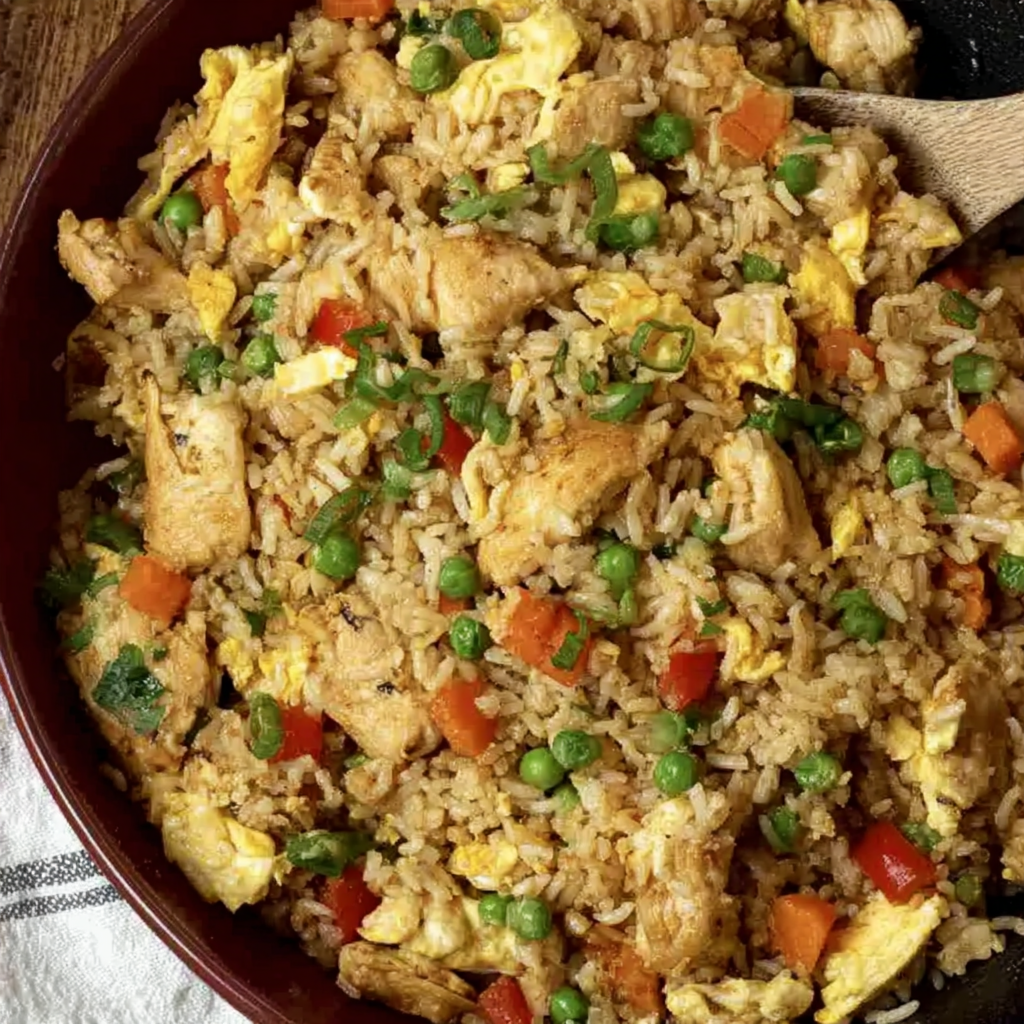
Can I Use Leftover Rice?
Yes — leftover rice is actually preferred. It gives the dish its signature texture and prevents sogginess.
-
Why Cold Rice Works Best
When rice is refrigerated, the grains firm up and dry slightly, making them perfect for stir-frying. -
Best Types of Rice
Long-grain varieties like jasmine or basmati offer the right balance of moisture and separation. -
How to Use Fresh Rice in a Pinch
Spread freshly cooked rice on a baking sheet and refrigerate it for 20–30 minutes to dry it out before using. -
Rice Substitutions
Brown rice, cauliflower rice, or quinoa can be used for healthier or lower-carb variations. Just be sure they’re not too wet.
Storing rice safely is essential. See Wikipedia’s food safety article for details on properly storing cooked grains.
Step-by-Step Cooking Instructions (Part 1)
Making better-than-takeout vegetable fried rice at home is fast and straightforward. Follow these steps:
-
Heat the Pan
Add vegetable oil to a hot wok or skillet over medium-high heat. -
Cook Aromatics
Add chopped onions and garlic. Stir-fry until fragrant and translucent. -
Add Frozen Vegetables
Toss in the thawed mixed vegetables and cook for 2–3 minutes, until heated through. -
Scramble the Eggs
Push the vegetables to one side of the pan. Pour in beaten eggs on the empty side and scramble until fully cooked.
This halfway point in cooking is a great time to double-check the heat and texture. Stir-frying works best when you keep the ingredients moving and the pan hot.
Step-by-Step Cooking Instructions (Part 2)
-
Add the Rice
Add cold, day-old rice to the skillet. Use a spatula to break up any clumps. -
Incorporate Everything
Stir the rice together with the vegetables and eggs, combining evenly. -
Add Sauces
Pour in the soy sauce and drizzle in sesame oil if using. Stir well to coat every grain of rice. -
Season
Add salt and pepper to taste. Keep stirring for even flavor. -
Finish & Garnish
Remove from heat and sprinkle with fresh green onions. Serve hot.
Use a spatula to gently flatten the rice against the pan for a few seconds at a time — this helps get some crispy bits, just like your favorite takeout spot.
Customization Ideas: Make It Your Own
Vegetable fried rice is highly adaptable. Here are some simple ways to make it suit your taste or diet:
-
Add Protein: Toss in tofu, shrimp, chicken, or tempeh. Cook these separately, then stir them in at the end.
-
Make It Vegan: Skip the eggs or use tofu scramble as a substitute.
-
Add Heat: Stir in sriracha, chili flakes, or diced jalapeños for a spicy kick.
-
Add Crunch: Top with sesame seeds, chopped peanuts, or crispy shallots.
-
Mix Up the Veggies: Use bell peppers, mushrooms, broccoli, or edamame for variety.
Check out Pinterest for variations that inspire creative combinations and plating ideas.
Storing & Reheating Leftovers
Leftover vegetable fried rice stores well and reheats beautifully.
-
Storage: Keep in an airtight container in the fridge for up to 3–4 days.
-
Freezing: It can also be frozen for up to 2 months. Use portion-sized containers for easier thawing.
-
Reheating: Reheat in a skillet with a splash of water or microwave in intervals, stirring between each one to avoid drying out.
Frozen meal prep ideas on Pinterest can help you portion leftovers for quick weekday lunches.
Pairing Suggestions: What to Serve With Vegetable Fried Rice
Serve your easy veg fried rice as a main or side dish. Here are some quick ideas:
-
Vegetable spring rolls
-
Steamed or pan-fried dumplings
-
Miso soup
-
Stir-fried tofu
-
Asian cucumber salad
-
Sweet chili dipping sauce
These simple pairings turn a basic dish into a complete meal.
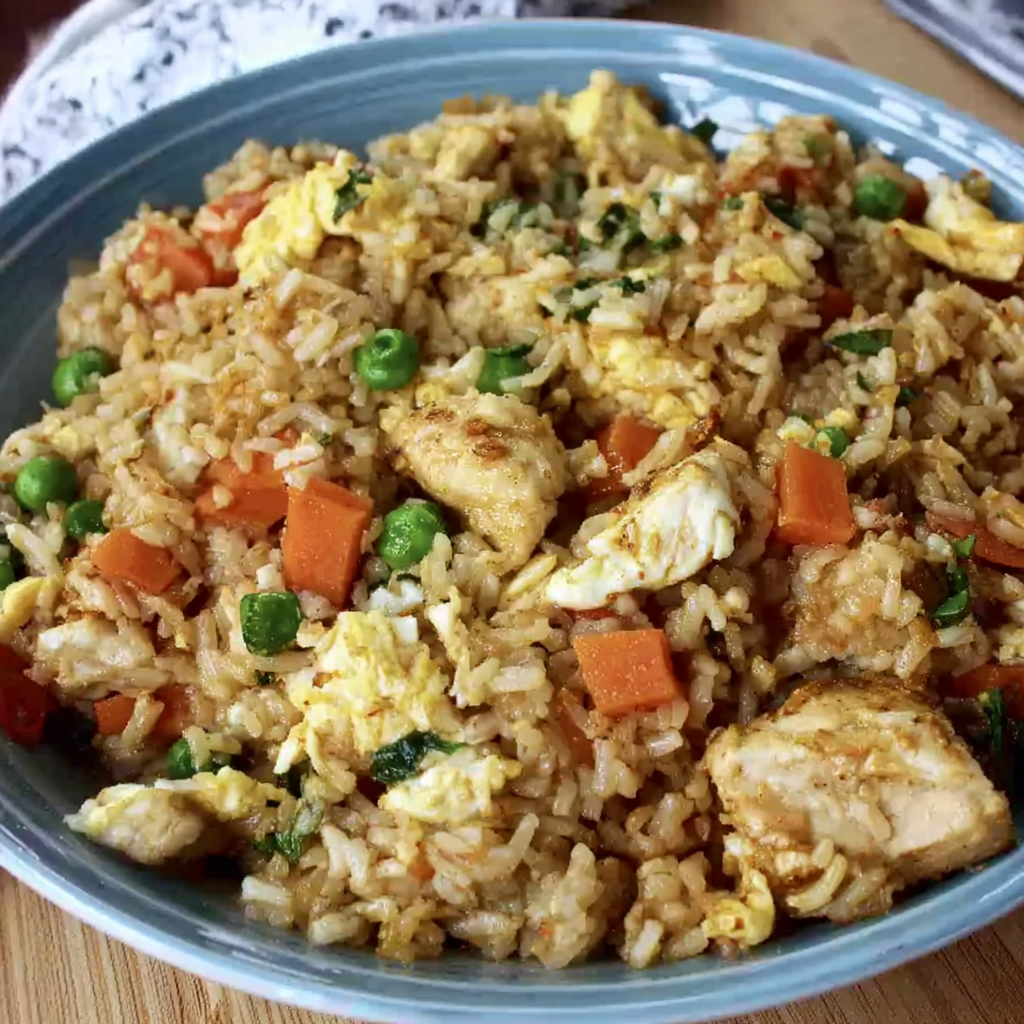
FAQs
Can I make vegetable fried rice without eggs?
Yes. Simply omit the eggs or replace them with a tofu scramble to keep the dish vegan.
What’s the best type of rice for fried rice?
Jasmine rice or other long-grain varieties are best. Cold, day-old rice gives the ideal texture.
Can I freeze leftover vegetable fried rice?
Absolutely. Freeze in individual portions for up to two months. Reheat in a skillet for best texture.
How do I keep fried rice from being mushy?
Use cold, day-old rice, avoid over-saucing, and stir-fry on high heat with a wide pan or wok.
Is vegetable fried rice healthy?
Yes. It’s full of fiber, low in fat, and easy to customize with more veggies and less salt.
How to Make Easy Vegetable Fried Rice in Under 20 Minutes
This easy vegetable fried rice is the perfect quick dinner or lunch, made with cold rice, frozen vegetables, and everyday pantry staples — all cooked in one pan. Ready in under 20 minutes, it’s savory, satisfying, and far better than takeout. Perfect for meal prep, budget meals, or weeknight dinners.
- Author: Clara
Ingredients
- 3 cups cooked rice (preferably cold, day-old rice)
- 2 tbsp vegetable oil
- 1 small onion, finely chopped
- 2 garlic cloves, minced
- 1 cup frozen mixed vegetables (like peas, carrots, corn)
- 2 eggs, lightly beaten
- 3 tbsp soy sauce
- 1 tsp sesame oil (optional)
- Salt and pepper to taste
- 2 green onions, sliced (for garnish)
Instructions
Heat vegetable oil in a large skillet or wok over medium-high heat.
Add chopped onion and garlic, and sauté until fragrant and translucent.
Stir in the mixed vegetables and cook for 2–3 minutes until heated through.
Push the vegetables to one side of the skillet and pour the beaten eggs into the other side. Scramble the eggs until fully cooked.
Add the cold cooked rice to the skillet, breaking up any clumps with a spatula. Stir everything together.
Pour in the soy sauce and sesame oil (if using). Stir well to combine and heat everything evenly.
Season with salt and pepper to taste.
Garnish with sliced green onions before serving.
Notes
-
Use leftover rice for best texture. If using fresh rice, chill it first.
-
Customize with your favorite vegetables or protein.
-
Use low-sodium soy sauce if needed.
-
Store in the fridge for up to 4 days or freeze for meal prep.
-
Don’t overcrowd the pan — stir-frying works best with space.