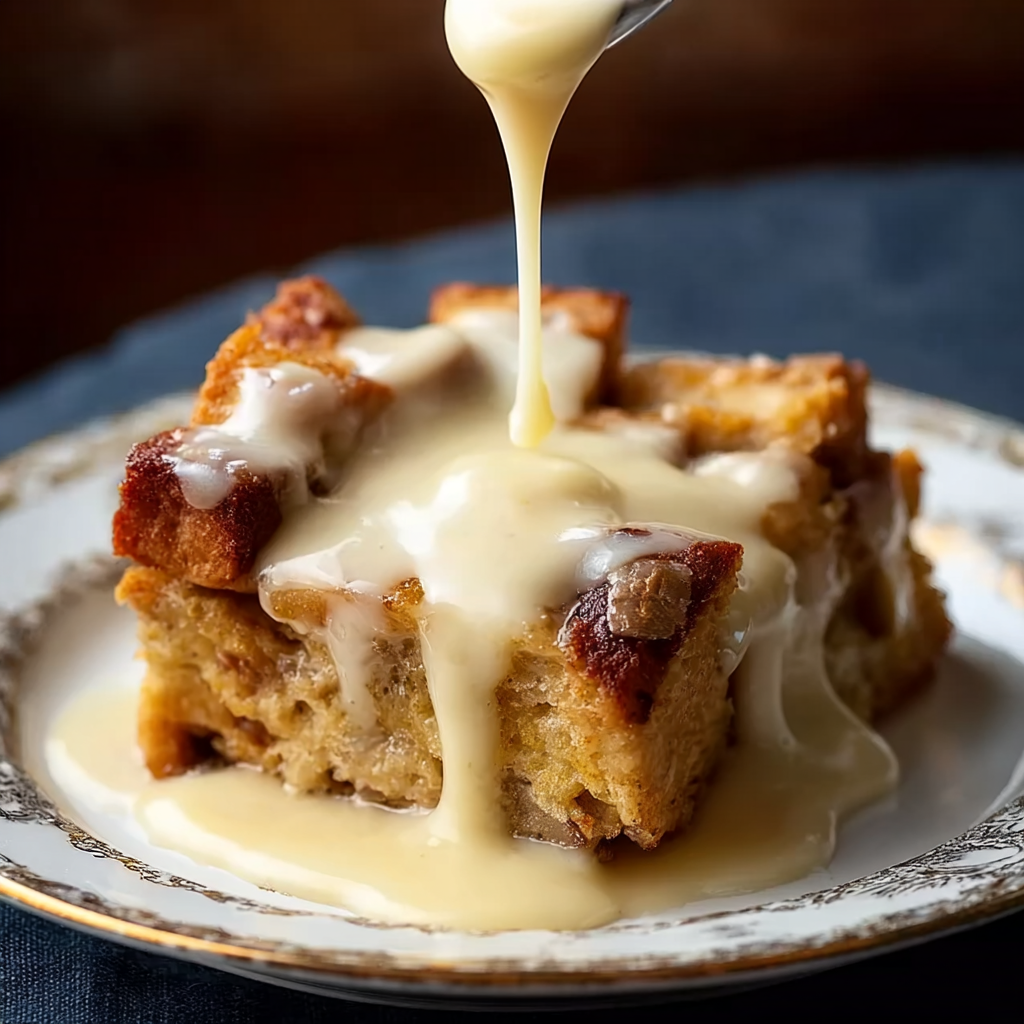
Bread Pudding
Bread pudding is a time-honored dessert that transforms simple, everyday ingredients into something warm, rich, and incredibly satisfying. Originating as a way to reduce food waste, this dish has become a classic comfort food served in homes and restaurants around the world. Whether it’s a cozy weeknight treat or a standout on the holiday dessert table, its humble beginnings are part of its charm.
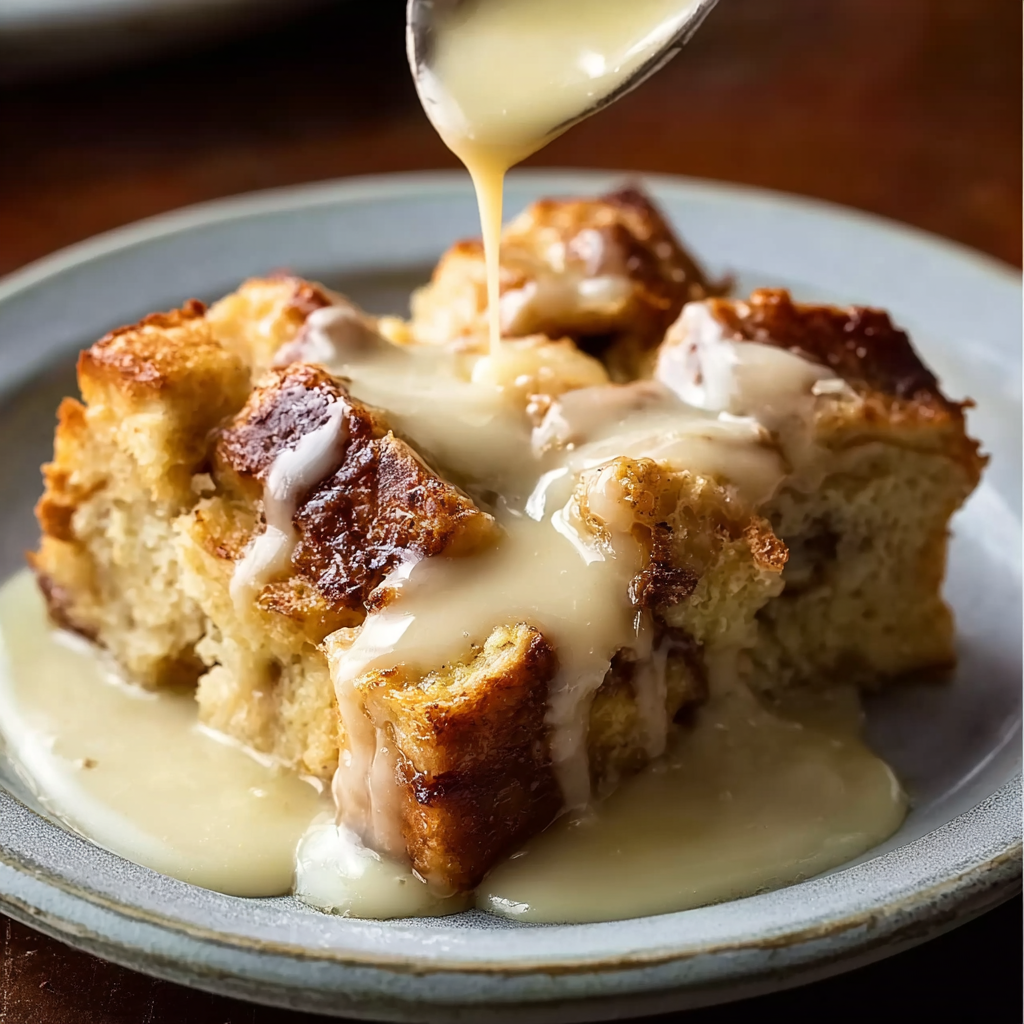
At its core, bread pudding is a baked custard made by soaking day-old bread in a mixture of milk, cream, eggs, sugar, and spices. The texture, when baked just right, balances a golden, slightly crisp top with a soft, custardy interior. Adding a warm vanilla sauce elevates this dish, making it richer and more indulgent. According to Wikipedia’s article on custard, custards are known for their creamy consistency, which makes them the perfect base for desserts like this.
The use of vanilla extract in both the pudding and the sauce enhances the dessert’s warmth and flavor. You can learn more about this essential ingredient here. Many families associate this dish with holiday desserts or cozy winter recipes, where its nostalgic flavors are most appreciated. On Pinterest, you’ll find many creative takes by searching for holiday dessert recipes or classic fall desserts, showing just how versatile this dessert has become over time.
More than just a way to use up leftover bread, bread pudding has evolved into a dessert that feels both rustic and refined. It’s adaptable, easy to make from scratch, and its appeal spans generations, especially when topped with a silky, homemade vanilla sauce that soaks into every bite.
What Makes a Great Bread Pudding
A truly great bread pudding is all about achieving the perfect balance of texture, flavor, and richness. While it may appear simple, each component plays a key role in creating a dessert that’s both nostalgic and crave-worthy. From the type of bread to the quality of the custard and the addition of a silky vanilla sauce, attention to detail transforms this humble dish into something exceptional.
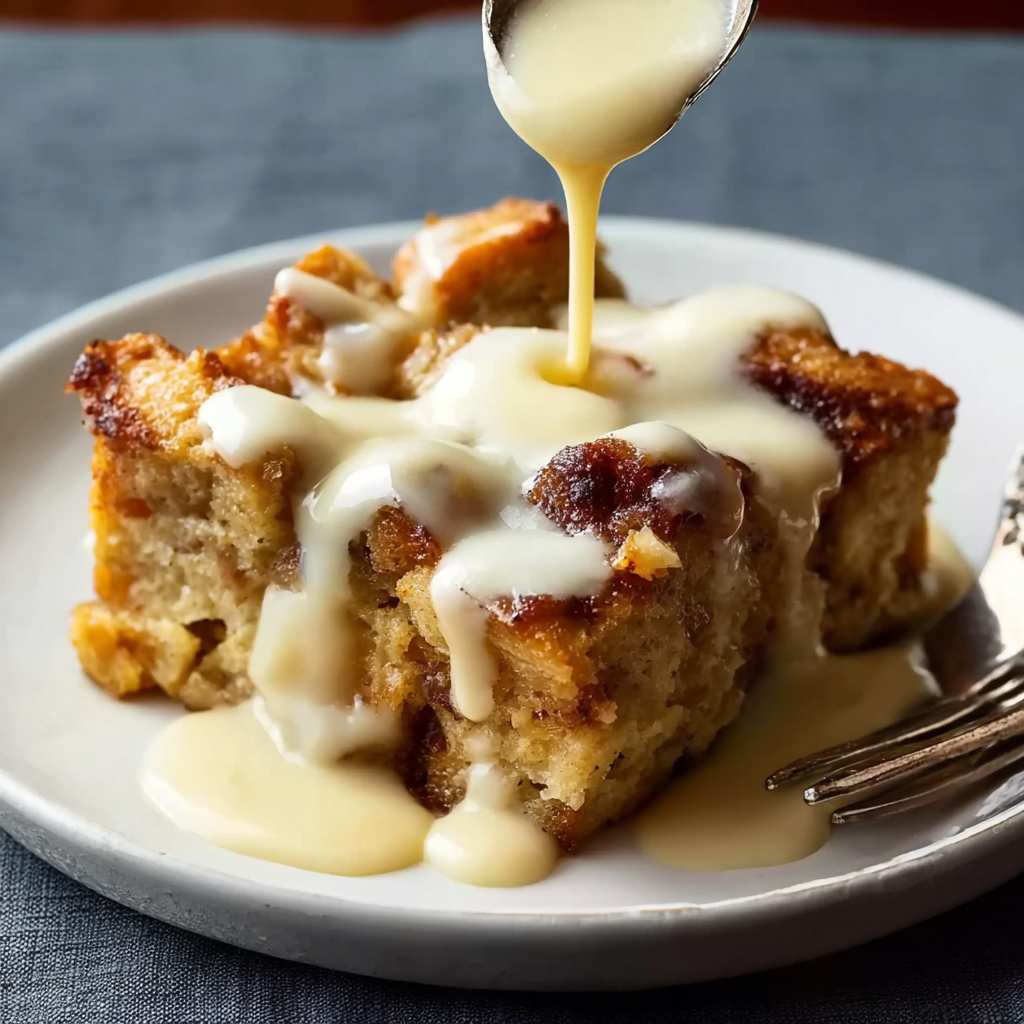
The hallmark of excellent bread pudding is its texture. The top should bake to a golden, slightly crisp layer, while the inside remains soft, custard-like, and moist — never soggy or dry. Using day-old French or brioche bread is essential because it absorbs the custard mixture without falling apart. If your bread is too fresh, a quick method for drying it is to cube it and lightly toast it in the oven, which helps achieve that ideal texture.
Flavor is another critical factor. A blend of cinnamon, vanilla extract, and sugar adds a cozy warmth that enhances the bread rather than overpowering it. Optional mix-ins like raisins, chopped nuts, or even chocolate chips offer an extra layer of taste and texture. Spices such as nutmeg, clove, or allspice can be added for depth, especially if you’re making this dessert for fall gatherings or as part of cozy winter recipes.
The custard, made from eggs, milk, and cream, should be rich yet balanced. According to Wikipedia’s overview on cream, using heavy cream provides a smooth, velvety texture that pairs beautifully with baked bread. For those interested in slightly lighter options, you can experiment with half-and-half or even dairy-free alternatives like coconut milk, which appear frequently in comfort food dessert recipes.
Finally, topping your pudding with a luscious, homemade vanilla sauce sets it apart. A simple blend of butter, sugar, cream, and vanilla extract creates a silky finish that melts into the warm pudding, adding both moisture and sweetness. This sauce, much like the dish itself, invites personalization—swap in a touch of bourbon, maple syrup, or even caramel for an exciting twist.
A great bread pudding isn’t just about following a recipe—it’s about understanding how each ingredient contributes to its overall success. When everything comes together, it becomes more than just a dessert—it’s an experience rooted in comfort and tradition.
Ingredients You’ll Need
To make bread pudding with warm vanilla sauce from scratch, start by gathering quality, straightforward ingredients. Each component contributes to the overall richness and warmth of the dish, so choosing the right ones is key to nailing that perfect bite.
For the Bread Pudding:
-
6 cups cubed day-old bread – French bread and brioche are ideal due to their soft yet sturdy texture. For a slightly eggier taste, challah also works beautifully.
-
2 cups milk – Whole milk adds creaminess, but you can use plant-based milk for a dairy-free option.
-
½ cup heavy cream – Offers a luxurious mouthfeel. Learn more about cream types here.
-
4 large eggs – Acts as the base for the custard. They bind the ingredients and provide structure.
-
¾ cup granulated sugar – Sweetens the pudding while allowing other flavors to shine.
-
1 teaspoon ground cinnamon – Adds warm spice that’s essential for a classic flavor.
-
1 teaspoon vanilla extract – A must-have for depth and sweetness. Explore vanilla extract for its role in desserts.
-
½ cup raisins (optional) – Soaked in warm water or rum for extra plumpness and flavor.
-
2 tablespoons melted butter – Poured on top before baking to encourage browning and flavor.
For the Warm Vanilla Sauce:
-
½ cup butter – The base of the sauce, offering rich flavor.
-
½ cup granulated sugar – Balances out the richness with sweetness.
-
½ cup heavy cream – Adds smoothness to the sauce.
-
1 tablespoon all-purpose flour – Thickens the sauce just slightly for the perfect pour-over consistency. Read more about flour types.
-
1 tablespoon vanilla extract – The signature flavor in the sauce.
This ingredient list is flexible. You can swap raisins for chocolate chips, or milk for a dairy-free alternative like oat or almond milk. If you’re inspired by seasonal flavors, explore ideas on classic fall desserts or holiday recipe boards on Pinterest to customize the base recipe.
Incorporating high-quality ingredients, especially for your custard and sauce, is the secret to making a bread pudding that feels both rustic and refined.
Best Bread Types for Bread Pudding
Choosing the right bread is the first step toward creating that perfect pudding texture—crispy on the top and custardy in the center. Not all breads perform the same, so here’s a breakdown of the best types for this dish.
-
Brioche – Rich and slightly sweet, brioche absorbs custard well and creates a luxurious texture.
-
French Bread – Crusty on the outside and soft on the inside, French bread holds up beautifully when soaked. It’s perfect for that balance of crispy edges and creamy center.
-
Challah – Eggy and tender, challah brings a deeper flavor and pairs well with cinnamon and vanilla.
Avoid using soft sandwich bread—it can become too mushy. If your bread is fresh, cube it and bake at a low temperature (about 300°F or 150°C) for 10 minutes to dry it out. This helps it soak up the custard mixture more effectively.
Gluten-free breads can work too, especially the sturdier artisan loaves. Just be sure they’re a bit stale or dried out before adding the custard mixture.
More bread inspiration can be found on Pinterest boards about comfort food desserts, where creative variations use croissants, cinnamon rolls, and even leftover muffins.
Step-by-Step Instructions for the Bread Pudding
Making bread pudding from scratch is easy when broken into simple steps. The method is forgiving, which makes it a great recipe for beginner bakers or anyone looking for a warm, make-ahead dessert.
1. Prepare the Pan and Bread
-
Preheat your oven to 350°F (175°C).
-
Grease a 9×13-inch baking dish with butter or non-stick spray.
-
Cube the day-old bread into bite-sized pieces and place in a large mixing bowl.
2. Make the Custard Mixture
-
In another bowl, whisk together the milk, heavy cream, eggs, sugar, cinnamon, and vanilla extract until smooth and well combined.
3. Combine Bread and Custard
-
Pour the custard over the cubed bread and gently mix to coat evenly.
-
Let the mixture sit for about 10 minutes so the bread fully absorbs the liquid. This step is crucial for even baking.
4. Add Optional Mix-Ins
-
Fold in raisins (or substitute with chocolate chips or nuts) for added flavor and texture.
5. Transfer and Bake
-
Pour everything into the prepared baking dish.
-
Drizzle the melted butter over the top for added richness and a golden finish.
-
Bake for 45–50 minutes until the pudding is puffed up, golden brown, and set in the center. A knife inserted should come out clean.
This technique is similar to baking custard-based desserts like French toast casserole or clafoutis. For more on the science of custards, see Wikipedia’s article on custard.
For visual ideas on serving, check out Pinterest’s cozy winter dessert boards, where this dish is often paired with warm drinks or seasonal fruit.
Making the Warm Vanilla Sauce from Scratch
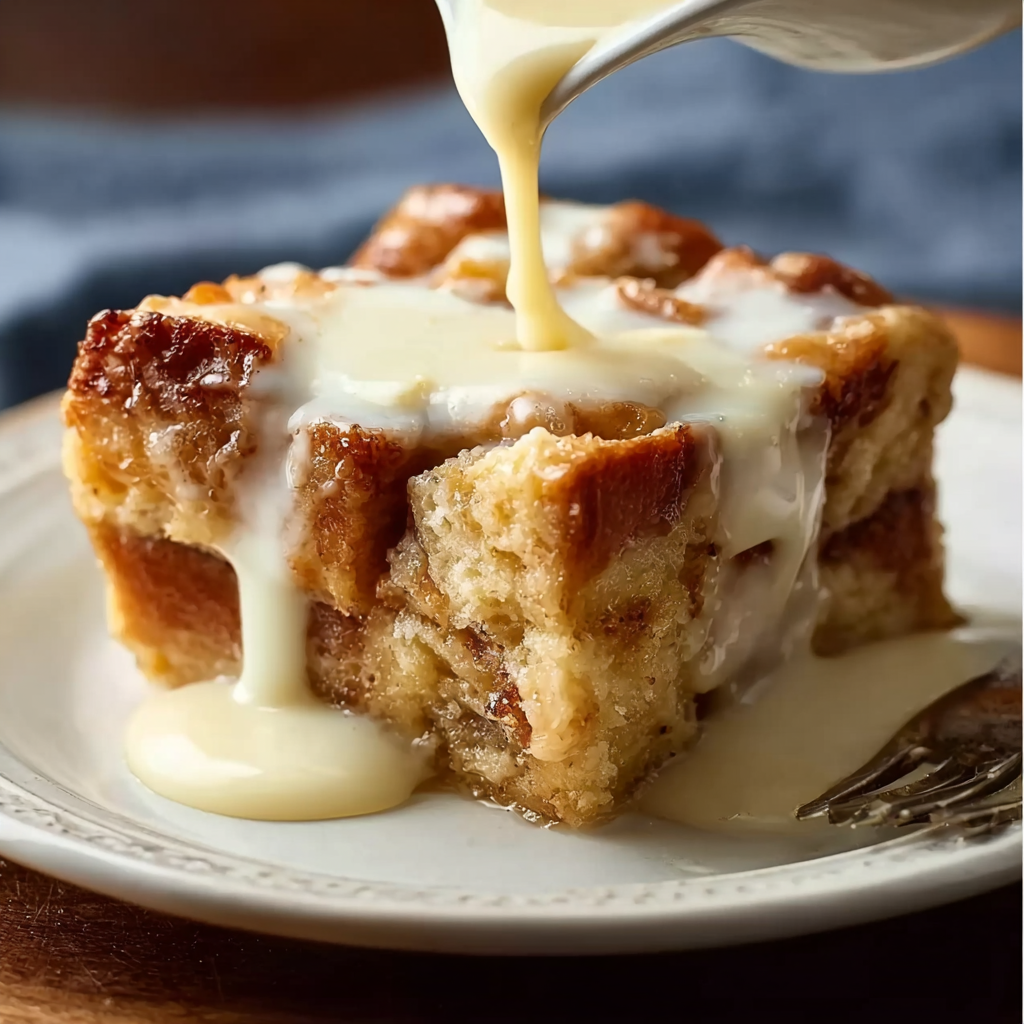
This vanilla sauce is what turns a simple bread pudding into something extraordinary. It’s warm, creamy, and infused with fragrant vanilla—perfect for drizzling over the top of the pudding just before serving.
1. Melt the Butter
-
In a medium saucepan over medium heat, melt ½ cup of butter until fully liquified.
2. Add Sugar and Flour
-
Stir in ½ cup of granulated sugar and 1 tablespoon of all-purpose flour.
-
Whisk constantly until the mixture forms a smooth paste and bubbles slightly.
3. Incorporate the Cream
-
Gradually pour in ½ cup of heavy cream, whisking constantly to prevent lumps.
-
Allow the sauce to simmer gently for 2–3 minutes until it thickens slightly.
4. Add Vanilla
-
Remove the pan from heat and stir in 1 tablespoon of vanilla extract. The sauce will smell rich and comforting—exactly what you want.
You can also customize this sauce with flavor variations:
-
Add a splash of bourbon or rum for depth.
-
Mix in caramel for a vanilla-caramel hybrid sauce.
-
Swap in maple syrup for an autumnal twist.
This silky sauce enhances not only bread pudding but also pancakes, pound cakes, or apple crisps. Explore more serving inspiration on Pinterest’s boards for vanilla sauce dessert ideas.
For added context on how each ingredient contributes, visit the Wikipedia entry on vanilla extract.
Serving Suggestions & Toppings
Bread pudding is best served warm, just out of the oven, topped with generous spoonfuls of vanilla sauce. Here are a few ways to elevate your presentation and make it even more indulgent:
-
Whipped cream – Adds lightness and an airy contrast to the dense pudding.
-
Powdered sugar – A light dusting gives it a finished, festive look.
-
Vanilla ice cream – The cold-and-warm contrast is irresistible.
-
Toasted nuts – Pecans or walnuts add crunch and warmth.
-
Fresh berries – Adds color and a slight tang that balances the sweetness.
Pair with beverages like coffee, spiced chai, or dessert wines like Moscato or Port. You can find many pairing ideas by browsing Pinterest’s holiday recipe boards.
Make-Ahead & Storage Tips
This dessert stores well, making it ideal for meal prep or holiday entertaining.
-
Refrigerate leftovers in an airtight container for up to 4 days.
-
Freeze bread pudding (without the sauce) for up to 2 months. Thaw overnight in the fridge and reheat in the oven until warmed through.
-
Reheat individual portions in the microwave with a splash of cream or milk to keep them moist.
Avoid freezing the vanilla sauce as it may separate. Instead, prepare it fresh before serving, or store in the fridge for up to 3 days and reheat gently on the stove.
Troubleshooting Common Mistakes
Even a simple dessert like bread pudding can go wrong without attention to key details. Here are solutions to common issues:
-
Too soggy? Use drier bread or reduce the amount of milk slightly. Let the bread sit longer in the custard before baking.
-
Too dry? It may be overbaked. Try tenting with foil during baking and checking doneness 5 minutes early.
-
Eggy taste? Use fresh eggs and balance with enough sugar, vanilla, and spice.
-
Vanilla sauce too thick? Thin with a splash of cream or milk while heating.
-
Sauce too thin? Let it simmer longer or add a tiny bit more flour.
Understanding how each ingredient behaves will help you adjust on the fly. Visit Wikipedia’s article on custard for insights into thickening and texture science.
Variations on the Classic Recipe
The base recipe is highly customizable. Here are some favorite twists:
-
Apple cinnamon bread pudding – Add sautéed apples and a pinch of nutmeg.
-
Chocolate chip – Replace raisins with semi-sweet or dark chocolate chips.
-
Pumpkin spice – Mix pumpkin purée and spice blend into the custard for a fall twist.
-
Dairy-free – Use almond milk and coconut cream, and swap butter for plant-based margarine.
Browse comfort food desserts on Pinterest for more creative versions using seasonal fruits, spices, or even leftover pastries.
Why This Dessert is Perfect for the Holidays
Bread pudding with vanilla sauce is warm, nostalgic, and crowd-pleasing—exactly the kind of dessert you want during the holiday season.
-
It uses simple, budget-friendly ingredients.
-
Can be made ahead of time and reheated with ease.
-
Easily feeds a crowd and feels special, especially with the addition of warm vanilla sauce.
It’s no surprise it’s a frequent favorite on holiday dessert boards on Pinterest. Whether served at Thanksgiving, Christmas, or a winter dinner party, it never disappoints.
FAQ
Can I use fresh bread for bread pudding?
Yes, but it’s best to dry it out first by toasting in the oven. This helps it absorb the custard without becoming mushy.
How do you keep bread pudding moist?
Use a good ratio of custard to bread, don’t overbake, and cover with foil if it starts browning too quickly.
What’s the best way to reheat bread pudding?
Reheat individual portions in the microwave with a splash of milk, or use the oven for larger amounts.
Can I make bread pudding without eggs?
Yes, substitute with cornstarch and plant-based milk, though the texture will be slightly different.
Is bread pudding served warm or cold?
It’s traditionally served warm with sauce, but it can also be eaten chilled.
What does vanilla sauce taste like?
It’s creamy, sweet, and rich with a strong vanilla aroma. Think of it as a pourable custard or dessert cream.
Can I make bread pudding ahead of time?
Absolutely. Assemble and refrigerate unbaked overnight, then bake when ready. Sauce can be made fresh or a day in advance.
How to Make Bread Pudding with Warm Vanilla Sauce from Scratch
This cozy bread pudding recipe is the ultimate comfort dessert. Made with soft, custard-soaked bread and baked until golden, it’s finished with a warm, silky vanilla sauce that melts into every bite. Simple ingredients, easy steps, and endless variation possibilities make this a go-to treat for fall, winter, or holiday gatherings.
- Author: Clara
Ingredients
For the bread pudding:
- 6 cups cubed day-old bread (French or brioche works well)
- 2 cups milk
- ½ cup heavy cream
- 4 large eggs
- ¾ cup granulated sugar
- 1 teaspoon ground cinnamon
- 1 teaspoon vanilla extract
- ½ cup raisins (optional)
- 2 tablespoons melted butter
For the vanilla sauce:
- ½ cup butter
- ½ cup granulated sugar
- ½ cup heavy cream
- 1 tablespoon all-purpose flour
- 1 tablespoon vanilla extract
Instructions
Preheat your oven to 350°F (175°C). Grease a 9×13-inch baking dish.
Place the cubed bread in a large bowl. In a separate bowl, whisk together the milk, heavy cream, eggs, sugar, cinnamon, and vanilla extract.
Pour the mixture over the bread cubes. Stir gently to combine, then let sit for about 10 minutes to absorb.
Fold in the raisins if using, then pour everything into the prepared baking dish. Drizzle the melted butter over the top.
Bake for 45 to 50 minutes, or until the pudding is set and golden brown on top.
While the pudding bakes, make the vanilla sauce. In a saucepan over medium heat, melt the butter. Stir in the sugar and flour until smooth.
Gradually add the heavy cream, stirring constantly until the mixture thickens slightly.
Remove from heat and stir in the vanilla extract.
Serve the bread pudding warm with the vanilla sauce poured over the top.
Notes
-
Use day-old bread for best texture—brioche, French, or challah work well.
-
Add-ins like raisins, nuts, or chocolate chips are optional but elevate the dish.
-
The sauce can be made up to 3 days in advance and stored in the fridge.
-
This recipe is perfect for making ahead—just bake and reheat when needed.
-
For a dairy-free version, use plant-based milk, coconut cream, and vegan butter.
-
Letting the custard soak into the bread for at least 10 minutes before baking ensures a creamy texture throughout.