The Magic of 3-Ingredient Butter Cookies
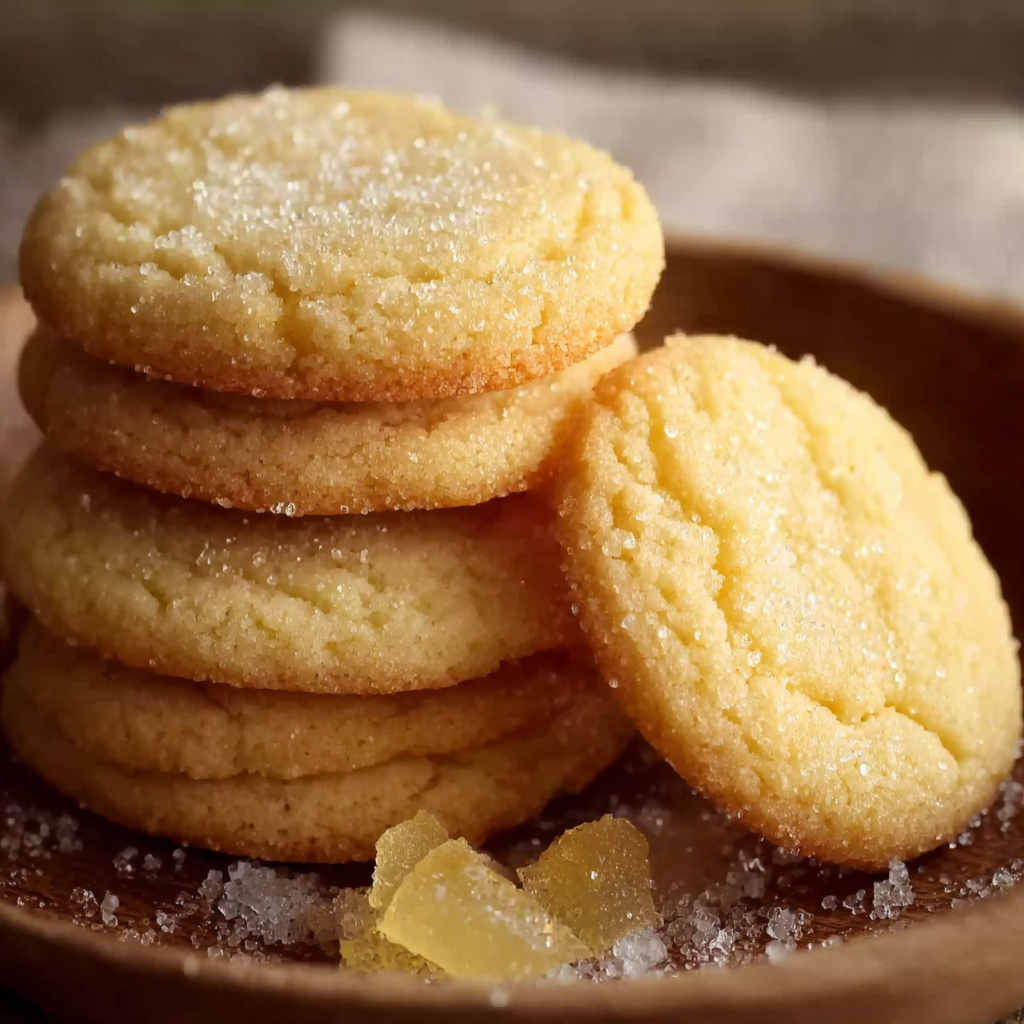
When it comes to effortless baking that delivers exceptional results, 3-ingredient butter cookies stand out as the perfect example of simplicity meeting satisfaction. These cookies are the ideal treat for anyone seeking a quick, egg-free dessert with rich flavor and a melt-in-your-mouth texture. No complicated steps, no specialty tools—just a handful of pantry staples and a little bit of time.
What makes these cookies truly special is their minimalist recipe. With just unsalted butter, granulated sugar, and all-purpose flour, you can create a batch of cookies that rival those from a bakery. This simplicity doesn’t sacrifice taste; in fact, the lack of distractions lets the classic buttery flavor shine. You’ll find that the process is just as rewarding as the final product, making this recipe a favorite for beginners and seasoned bakers alike.
The history of butter cookies dates back centuries, with their roots in Danish and European baking traditions. These cookies became known for their signature richness and delicate texture, often featured in holiday tins or served alongside coffee or tea. For those curious about the culinary origins of cookies, the cookie history on Wikipedia offers insight into how this humble dessert evolved globally.
One of the reasons this recipe has gained popularity is its adaptability. Whether you’re baking for the holidays, preparing a quick after-school snack, or need a dependable last-minute dessert, these cookies deliver every time. With the added bonus of being egg-free, they’re also a safer option for households with allergies. You can even explore eggless cookie recipes for more variations using a similar formula.
Because they’re so easy to make and don’t require special skills, these cookies are a fantastic starting point for young bakers or anyone looking to get comfortable in the kitchen. In fact, they’re often featured in kid-friendly baking guides due to their foolproof nature and quick baking time.
With only a few ingredients and minimal equipment needed, these cookies bring the joy of baking into reach for everyone.
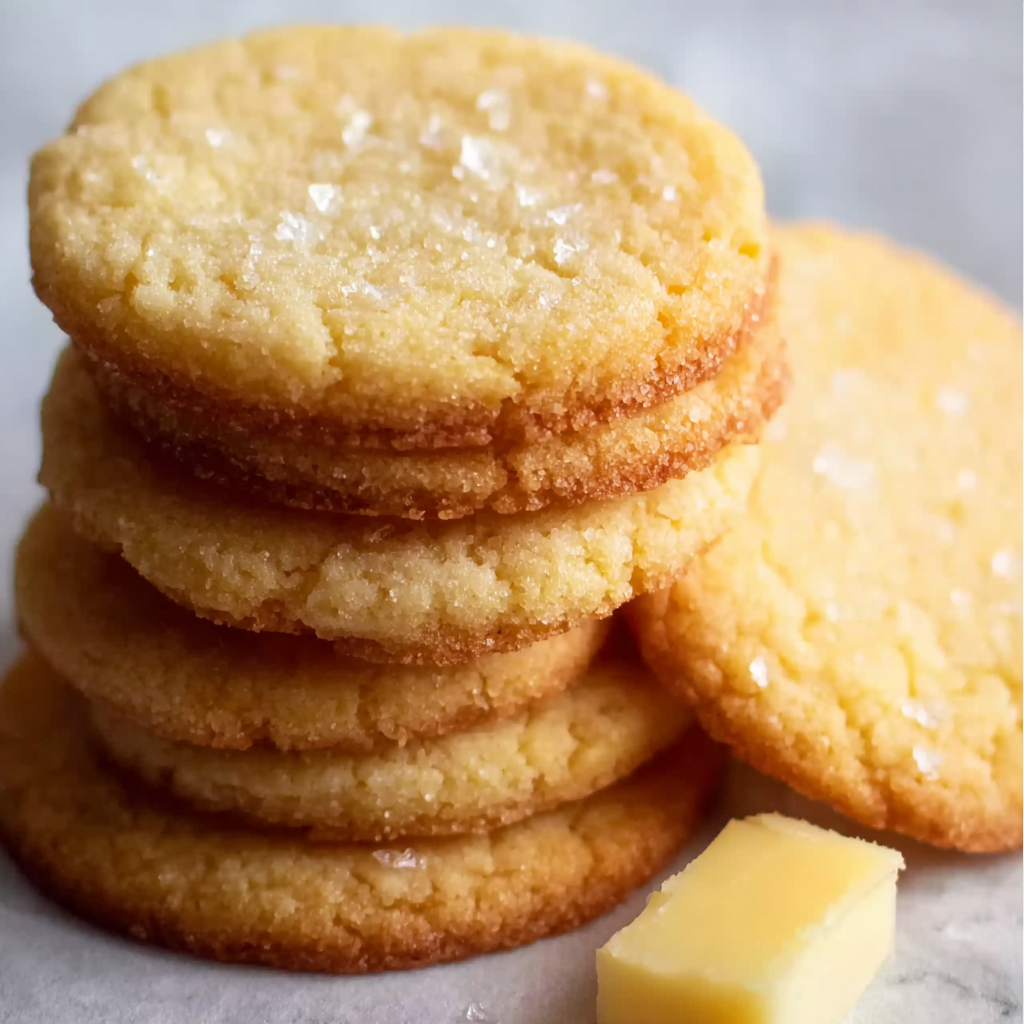
Why You’ll Love This Recipe
There are plenty of reasons to fall in love with 3-ingredient butter cookies, but at the heart of it all is their unmatched balance between ease and flavor. This recipe is designed to be fast, foolproof, and incredibly satisfying—perfect for any skill level or occasion.
-
Minimal ingredients, maximum reward: You only need butter, sugar, and flour, which are likely already in your pantry. There’s no need for eggs, leavening agents, or special tools.
-
Perfect for busy schedules: With a quick prep time and short bake time, these cookies are a go-to for when you’re short on time but still want homemade results.
-
Kid- and allergy-friendly: Since these are egg-free cookies, they’re great for those with egg sensitivities. They’re also safe and simple enough to make with kids, especially when paired with recipes from kid-friendly baking boards.
-
No mixer needed: You can make these entirely by hand. In fact, learning more about the basics of baking will show how minimal effort can still produce high-quality results.
-
Great for gifting: Their crisp edges, buttery flavor, and uniform shape make them ideal for holiday cookie tins and thank-you gifts. Find inspiration on holiday cookie gifts to see how others package these charming treats.
This recipe checks all the boxes: simple, versatile, delicious, and reliable. Whether you’re a beginner or an experienced baker looking for something quick, these butter cookies deliver every time.
Ingredients Overview: What You Need & Why
The charm of 3-ingredient butter cookies lies in their simplicity—but understanding why each ingredient is essential helps you get perfect results every time. Let’s break down what goes into the recipe and explore a few common substitutions.
-
Unsalted butter (1 cup, softened)
Butter is the heart of this cookie. It provides the rich flavor, moisture, and structure. Using unsalted butter gives you full control over the saltiness of the final product. If you only have salted butter, reduce any added salt in other recipes. The butter should be softened but not melted—this helps it cream properly with the sugar. Learn more about what is butter and how it affects baking. -
Granulated sugar (½ cup)
This adds sweetness and helps with the cookie’s crispness. Granulated sugar also contributes to the golden edges as it caramelizes in the oven. Some bakers use powdered sugar for a softer, meltier texture, but granulated sugar gives these cookies their classic bite. For a deeper dive into the types of sugar, check out how different sugars behave in baking. -
All-purpose flour (2 cups)
This provides structure and body. Using all-purpose flour gives a perfect balance—not too dense, not too airy. You can experiment with gluten-free flour, but you may need to adjust the texture. More on that is covered in the types of flour article.
Optional Substitutions and Additions:
-
Can I use powdered sugar instead? Yes, but expect a softer, more delicate cookie.
-
What about self-rising flour? Not ideal—it contains baking powder, which may affect the shape and texture.
-
Flavored variations: Try adding vanilla extract, almond essence, or even lemon zest.
For more creative spins, check out this cookie inspiration board that features flavor twists using a similar 3-ingredient base. Keeping the base ingredients simple allows for endless variation later on.
Step-by-Step Instructions (With Tips for Success)
Making these buttery cookies is easier than you’d expect. Follow each step carefully and use the included tips to ensure perfect results every time.
Step 1: Preheat and prepare
-
Preheat your oven to 350°F (175°C).
-
Line a baking sheet with parchment paper to prevent sticking and ensure even browning.
Step 2: Cream the butter and sugar
-
In a large mixing bowl, cream 1 cup of softened unsalted butter with ½ cup of granulated sugar.
-
Beat until the mixture is light and fluffy—this incorporates air, making the cookies tender.
-
If doing it by hand, use a wooden spoon or whisk and beat vigorously. A mixer can speed things up but isn’t required.
Step 3: Add flour gradually
-
Slowly add in 2 cups of all-purpose flour, mixing until a soft dough forms.
-
Avoid overmixing—it can make the cookies tough. Stop when the flour is fully incorporated.
Step 4: Shape the dough
-
Roll the dough into small balls (about 1 tablespoon each).
-
Place them evenly spaced on the prepared baking sheet.
-
Gently flatten each with a fork or the bottom of a glass. This gives them their traditional appearance and helps them bake evenly.
Step 5: Bake and cool
-
Bake for 12–15 minutes, or until the edges are lightly golden.
-
Don’t wait for full browning—the cookies will continue to firm up as they cool.
-
Let them cool on the sheet for 5 minutes, then transfer to a wire rack.
Tips for success:
-
Use room temperature butter—not melted—for better texture.
-
Don’t overcrowd the baking sheet.
-
Use a cookie scoop for evenly sized cookies.
-
For festive variations, roll dough balls in colored sugar or cinnamon before baking.
These classic steps are why this recipe ranks high among simple cookie recipes. Their straightforward nature makes them a staple in any baker’s collection.
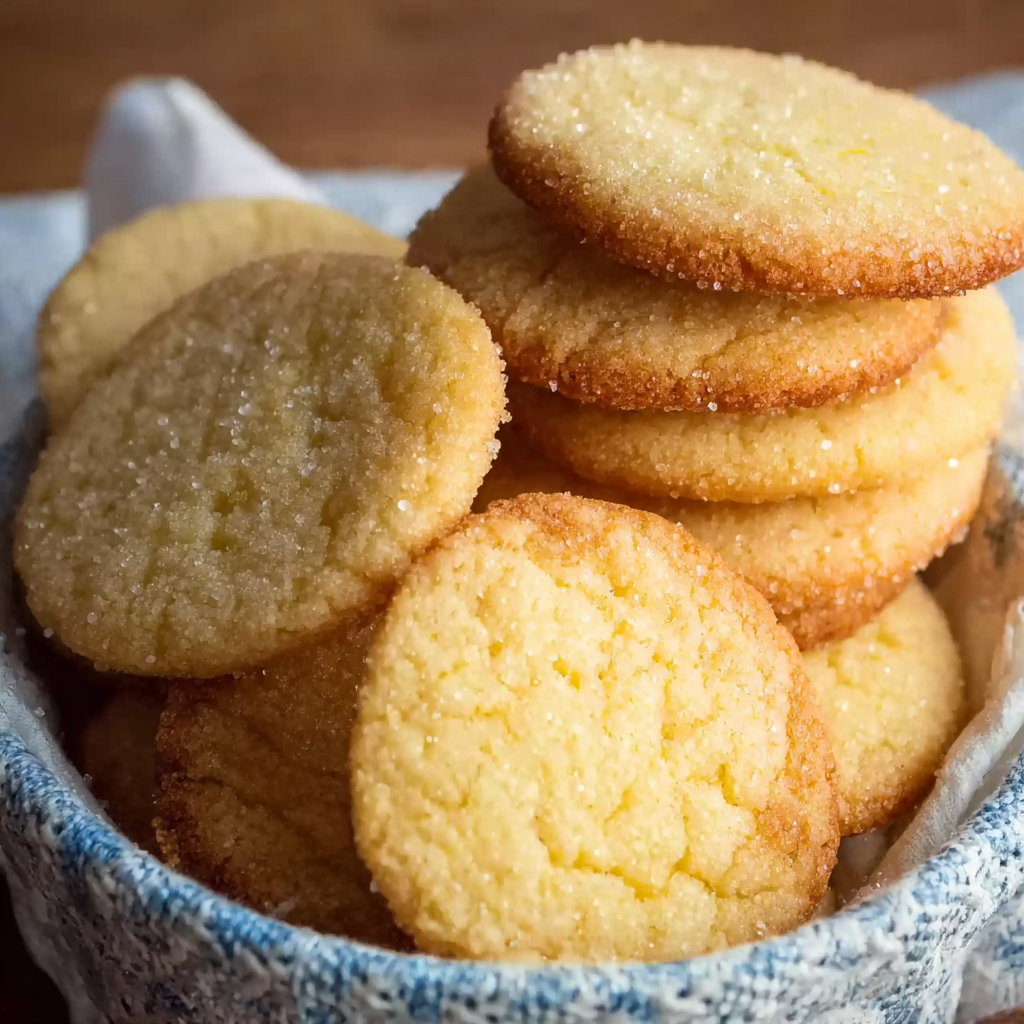
How to Customize These Cookies (Optional Twists)
Even though these are three-ingredient cookies, that doesn’t mean you can’t have fun with them. This recipe serves as a blank canvas for customization. Here are a few popular and delicious ways to make them your own:
-
Add flavor extracts: A teaspoon of vanilla extract, almond extract, or lemon zest can dramatically enhance the flavor.
-
Spice them up: Add a sprinkle of cinnamon or nutmeg to the dough for a warm, cozy twist.
-
Dipped or drizzled: After baking and cooling, dip half of each cookie in melted chocolate or white chocolate. Let harden before serving.
-
Make them festive: Before baking, roll the dough balls in colored sugar or crushed candy for a holiday vibe. For ideas, check out holiday cookie gifts.
-
Change the texture: Want a softer cookie? Use powdered sugar instead of granulated sugar.
Looking for other ways to personalize your cookie game? Explore more easy cookie recipes and draw inspiration from other bakers.
Nutrition Information (Per Cookie)
Each butter cookie contains approximately:
-
Calories: 110
-
Fat: 7g
-
Saturated Fat: 4g
-
Carbohydrates: 10g
-
Sugar: 4g
-
Protein: 1g
Note: These values are estimates and depend on the exact size of your cookies and the brands used.
Storage Instructions: Keep Them Fresh Longer
To keep your cookies fresh and delicious, proper storage is key.
-
At room temperature: Store in an airtight container for up to 5 days. Layer with parchment paper to prevent sticking.
-
Refrigeration: While not necessary, chilling can extend freshness to 7–10 days. Just be sure the container is tightly sealed.
-
Freezing baked cookies: Let them cool completely, then freeze in airtight containers or freezer bags for up to 2 months. Thaw at room temperature before serving.
-
Freezing raw dough: Roll dough into balls and freeze on a tray. Once solid, transfer to freezer bags. Bake directly from frozen—just add 1–2 minutes to the baking time.
For more practical cookie storage tips and variations, explore this cookie inspiration board.
Troubleshooting Common Problems
Even a simple recipe can go wrong without the right techniques. Here’s how to fix common butter cookie issues:
-
Cookies too crumbly
Likely cause: Too much flour or the butter wasn’t soft enough.
Fix: Measure flour accurately and ensure butter is room temperature. -
Cookies spread too much
Likely cause: Butter was too warm or the dough was overmixed.
Fix: Chill the dough for 20 minutes before baking. -
Cookies are dry or hard
Likely cause: Overbaking or low-fat content.
Fix: Take cookies out when edges are just golden, and use full-fat butter. -
Cookies didn’t hold shape
Likely cause: Not enough flour or not flattening before baking.
Fix: Use the back of a glass or fork to gently press down the dough.
For more help understanding cookie baking techniques, explore this helpful entry on the basics of baking.
Serving Suggestions: How to Enjoy Your Butter Cookies
These cookies are versatile and go with almost everything. Here are some ways to enjoy and serve them:
-
Pair with warm drinks: Serve with tea, coffee, or hot cocoa for a cozy snack.
-
Dessert boards: Include in a dessert platter with fruits, chocolates, or other cookies.
-
Gift idea: Stack them in a jar or tin with ribbon for an elegant homemade gift. You’ll find more great ideas on holiday cookie gifts.
-
School lunches or snacks: Pack a few in a container for a perfect school treat.
These 3-ingredient cookies also make an easy addition to any event—from casual get-togethers to holiday dinners.
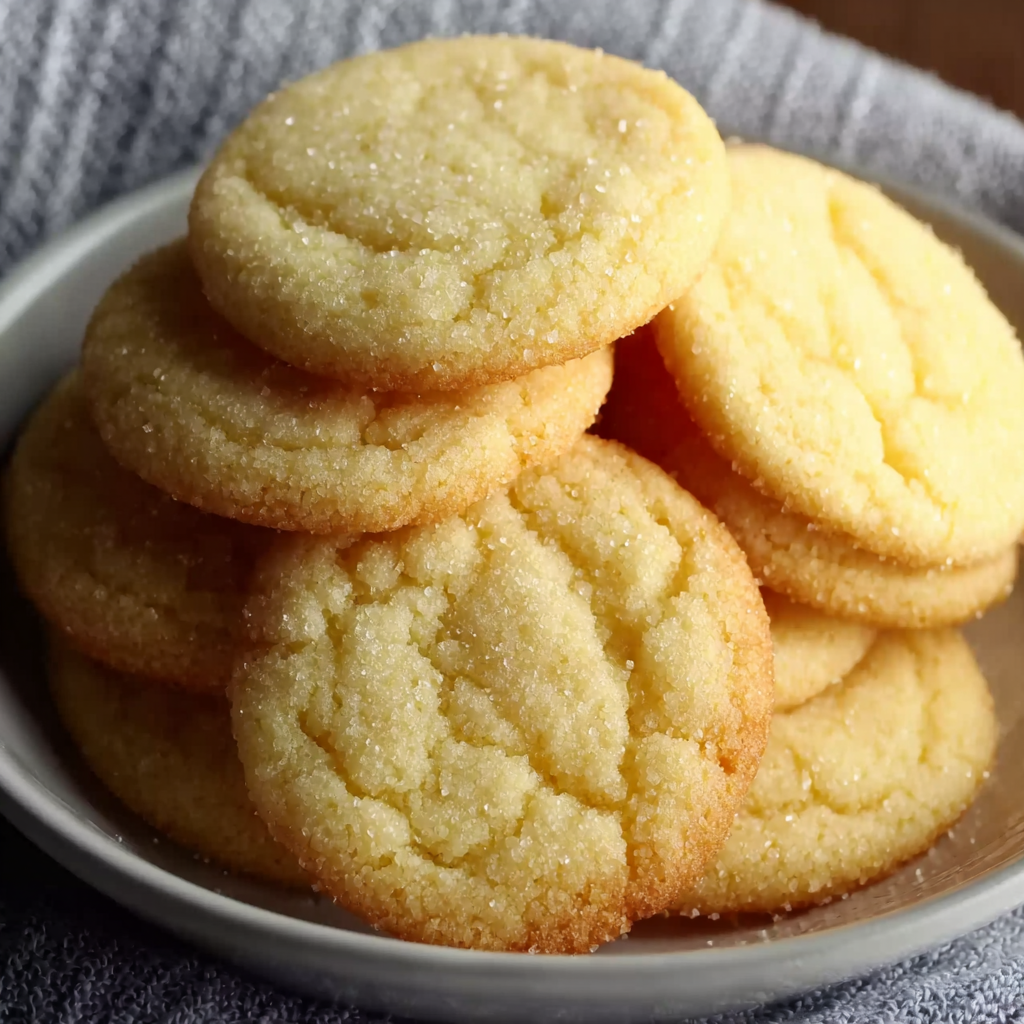
Frequently Asked Questions (FAQs)
Q1. Can I use powdered sugar instead of granulated sugar?
Yes, but the texture will be different. Powdered sugar creates a more tender, melt-in-your-mouth cookie, while granulated sugar provides structure and crispness. Choose based on your texture preference.
Q2. Why did my 3-ingredient cookies turn out dry?
Dry cookies are usually a result of too much flour or overbaking. Be sure to measure flour correctly and take the cookies out once the edges are lightly golden.
Q3. How long do 3-ingredient butter cookies last?
Stored in an airtight container, they last up to 5 days at room temperature or 2 months in the freezer. Refer to our storage tips above for best results.
Q4. Can I make these cookies without a mixer?
Absolutely. You can cream the butter and sugar by hand with a wooden spoon or whisk. It might take longer but the result is still delicious. Many of the easy cookie recipes are mixer-free.
Q5. Can I add chocolate chips or other extras?
Yes! Chocolate chips, nuts, or dried fruits can be folded into the dough. Keep the add-ins minimal to maintain the cookie’s structure. For more ideas, check out cookie inspiration boards.
How to Make 3-Ingredient Butter Cookies That Melt in Your Mouth

Soft, buttery, and delicately crisp around the edges, these 3-ingredient butter cookies are the definition of melt-in-your-mouth goodness. Perfect for beginners, quick bakes, and festive treats, they use only flour, sugar, and butter—yet deliver amazing results.
- Author: Clara
Ingredients
- 1 cup unsalted butter, softened
- 1/2 cup granulated sugar
- 2 cups all-purpose flour
Instructions
Preheat the oven to 350°F (175°C) and line a baking sheet with parchment paper.
In a large bowl, cream the softened butter and sugar together until light and fluffy.
Gradually add the flour and mix until a soft dough forms.
Roll the dough into small balls and place them on the prepared baking sheet. Flatten each ball slightly with a fork or the bottom of a glass.
Bake for 12–15 minutes, or until the edges are lightly golden.
Allow the cookies to cool on the baking sheet for a few minutes before transferring them to a wire rack to cool completely.
Notes
-
Be sure to use room temperature butter for easy mixing.
-
If your dough feels too sticky, chill it for 15–20 minutes before shaping.
-
For consistent cookies, use a cookie scoop.
-
Add flavors or toppings to customize as desired.
-
Store in a sealed container to maintain freshness.