1.Chicken and Shrimp Jambalaya
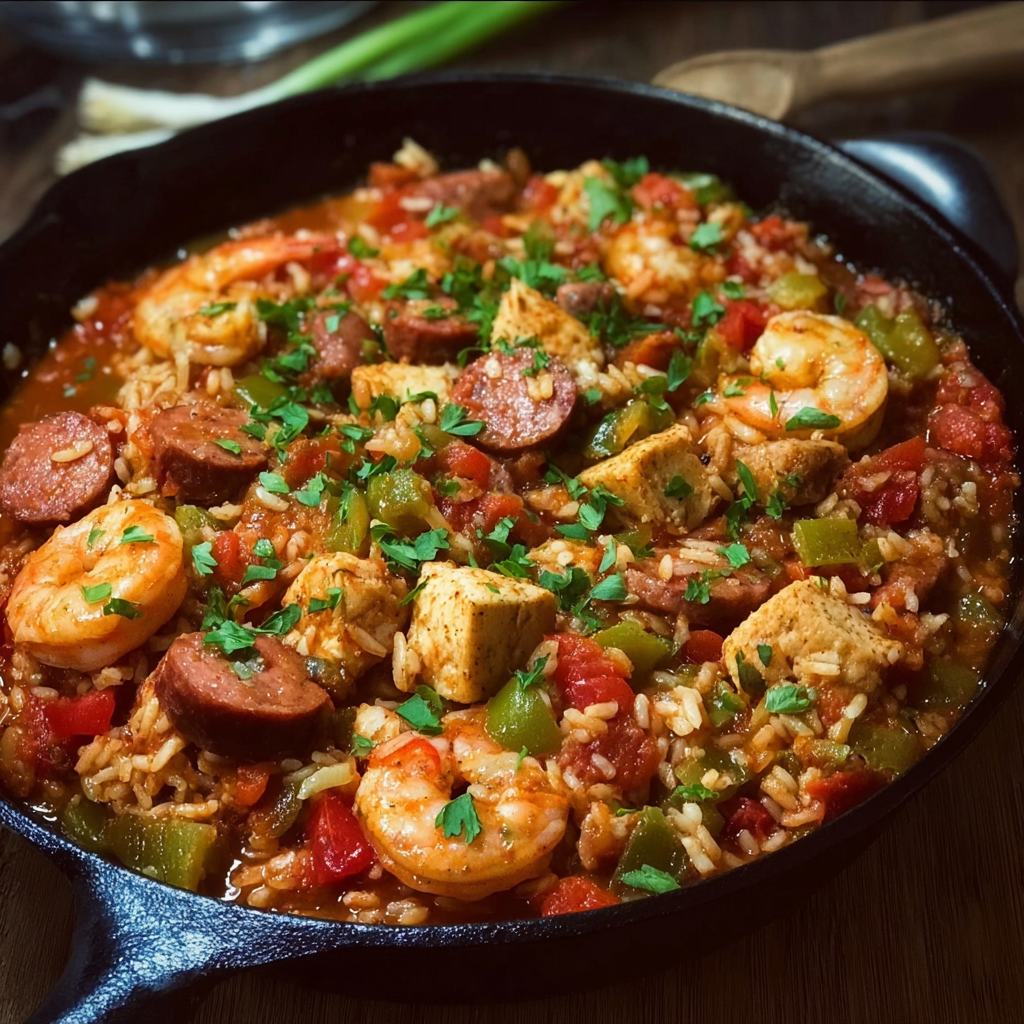
Chicken and shrimp jambalaya is a rich and satisfying one-pot Creole classic that combines bold flavors, vibrant ingredients, and effortless cooking into one unforgettable dish. Known for its deep Southern roots, this meal blends Cajun spices, tender chicken, and succulent shrimp with seasoned rice, delivering warmth and spice in every bite. Whether you’re feeding a hungry family or hosting guests, this flavorful dish is guaranteed to impress. This Creole jambalaya stands out for its colorful medley of aromatics, perfectly cooked proteins, and fluffy, seasoned rice. It’s also ideal for weeknight meals thanks to its simple steps and minimal cleanup. As a signature recipe from Louisiana Creole cuisine, jambalaya has become a beloved comfort food that showcases the fusion of French, Spanish, and African culinary influences. Learn more about the roots of this iconic dish on Wikipedia’s Louisiana Creole cuisine page. The true beauty of chicken and shrimp jambalaya lies in its adaptability. You can dial the spice up or down, add in smoked sausage, or toss in more vegetables for a nutritious twist. It’s part of a greater tradition of Cajun cuisine, which you can explore further through this in-depth guide to Cajun cooking. If you love quick, hearty meals, this recipe also falls into the family of delicious one-pot dinner recipes, making it a must-have in any home cook’s rotation. From its humble beginnings in Louisiana kitchens to modern tables around the world, chicken and shrimp jambalaya continues to be a flavorful symbol of Southern hospitality and culinary creativity.
2. What is Jambalaya?
Jambalaya is a classic rice-based dish that hails from the southern United States, particularly Louisiana. It blends West African, French, and Spanish cooking traditions, showcasing the region’s rich cultural history. Often compared to paella, jambalaya is a one-pot meal traditionally made with meat, seafood, vegetables, and seasoned rice, creating a hearty, flavorful dish that’s both rustic and refined. There are two main styles of jambalaya: Cajun and Creole. Understanding the difference between the two is essential:- Creole jambalaya (also called “red jambalaya”) includes tomatoes, which give it a reddish color. This version is commonly associated with New Orleans.
- Cajun jambalaya typically skips tomatoes and has a smokier, deeper flavor thanks to browned meat and more aggressive seasoning.
3. Ingredients Breakdown
The beauty of chicken and shrimp jambalaya lies in its rich combination of ingredients that work together to deliver big flavor in just one pot. Every element—from the proteins to the vegetables to the seasonings—has a specific role in building a well-balanced, satisfying dish.Proteins:
- Chicken breast: A lean and tender meat that absorbs seasoning well. It’s also a great base for flavor layering.
- Shrimp: Adds a slightly sweet, briny note that complements the spices. For convenience, you can use peeled and deveined fresh or frozen shrimp (just be sure to thaw if frozen). Learn more about shrimp’s role in Southern cuisine on Wikipedia.
Vegetables:
- Onion, green bell pepper, celery: Known as the Holy Trinity in Cajun and Creole cuisine, these vegetables create the base flavor. Check out more about their origin in the Cajun Holy Trinity.
- Garlic: Enhances the overall depth of the dish.
- Canned diced tomatoes: Used in Creole jambalaya to add acidity and moisture, and to give the dish its signature red hue.
Rice:
- Long-grain white rice: Best for jambalaya because it cooks evenly and absorbs flavor well without becoming mushy. Explore different types of rice dishes around the world to understand how rice affects texture and taste in global cuisines.
Liquids:
- Chicken broth: Adds a savory base and helps cook the rice. Opt for low-sodium broth to control salt levels.
Seasonings:
- Paprika: Adds smokiness and vibrant color. Learn more about types of paprika.
- Thyme and oregano: Earthy herbs that bring balance to the heat.
- Cayenne pepper: Brings the heat—adjust to taste.
- Salt and black pepper: Essential for enhancing every ingredient.
Garnish:
- Fresh parsley: Adds brightness and color to finish the dish.
4. Chicken and Shrimp Jambalaya Recipe (Step-by-Step Instructions)
Follow this straightforward method to create flavor-packed chicken and shrimp jambalaya in just one pot. This process ensures that each layer of flavor is properly developed, from browning the chicken to simmering the rice and finishing with the shrimp.Step 1: Prepare the Ingredients
- Dice 1 pound of chicken breast
- Peel and devein ½ pound of shrimp
- Dice 1 onion, 1 green bell pepper, and 1 celery stalk
- Mince 3 cloves of garlic
- Rinse 1 cup of long-grain white rice
Step 2: Cook the Chicken
- Heat 1 tablespoon of olive oil in a large pot or Dutch oven over medium heat.
- Add the chicken and cook until browned on all sides (about 5–7 minutes).
- Remove and set aside.
Step 3: Sauté Vegetables
- In the same pot, add the onion, bell pepper, and celery.
- Cook for 4–5 minutes, stirring frequently, until softened.
- Add the garlic and cook for another minute until fragrant.
Step 4: Build the Jambalaya Base
- Return the chicken to the pot.
- Stir in:
- 1 can (14.5 oz) of diced tomatoes
- 1 cup rice
- 2 cups chicken broth
- 1 teaspoon paprika
- ½ teaspoon thyme
- ½ teaspoon oregano
- ½ teaspoon cayenne pepper
- Salt and black pepper to taste
- Mix everything well and bring to a boil.
Step 5: Simmer
- Once boiling, reduce heat to low.
- Cover and simmer for about 20 minutes, until rice is tender and most of the liquid is absorbed.
Step 6: Add the Shrimp
- Gently stir in the shrimp.
- Cover and cook for another 5–7 minutes, until the shrimp are pink and fully cooked.
Step 7: Finish and Serve
- Fluff the rice with a fork.
- Garnish with chopped parsley.
- Serve hot as a standalone dish or with classic Southern sides like cornbread or collard greens.

5. Nutritional Benefits and Dietary Notes
Chicken and shrimp jambalaya is not only flavorful, but it also offers a variety of nutritional benefits. It’s high in lean protein thanks to the combination of chicken and shrimp, making it filling without being overly heavy. The addition of vegetables like bell peppers, celery, and onions boosts the dish with fiber, antioxidants, and essential vitamins. This dish can be easily adjusted for specific dietary needs:- Low-carb: Use cauliflower rice instead of white rice.
- Low-sodium: Choose low-sodium broth and adjust salt to taste.
- Gluten-free: Naturally gluten-free if using certified gluten-free broth and spices.
6. Recipe Variations
This jambalaya recipe is highly adaptable. Here are some popular and easy ways to customize it:- With Sausage: Add sliced andouille or smoked sausage for extra richness and spice.
- Vegetarian Version: Replace chicken and shrimp with mushrooms, tofu, or extra vegetables.
- Spicy Version: Increase the cayenne, or add hot sauce or diced jalapeños.
- Low-Sodium Version: Use unsalted broth and omit extra salt.
- Slow Cooker: Brown chicken and veggies, then transfer everything (except shrimp) to the slow cooker. Cook on low for 4–6 hours, adding shrimp in the final 30 minutes.
- Instant Pot: Use the sauté function for the first steps, then pressure cook the rice and chicken mixture for 7 minutes. Add shrimp after releasing pressure and let it sit covered until cooked through.
- Alternative Grains: Substitute rice with quinoa or brown rice for added fiber and nutrients.
7. Cooking Tips and Common Mistakes
To achieve the perfect chicken and shrimp jambalaya, keep these tips in mind:- Don’t overcook the shrimp: Add them last to avoid rubbery texture.
- Sauté vegetables thoroughly: This brings out sweetness and builds flavor.
- Avoid stirring too much after adding rice: Over-stirring can make it mushy.
- Use a tight-fitting lid: Ensures the rice cooks evenly and absorbs the broth.
- Deglaze the pot: Scrape up browned bits from cooking the chicken—they add flavor.
- Using the wrong rice type (short-grain becomes too sticky).
- Adding shrimp too early.
- Using too much liquid, resulting in soggy rice.
- Not seasoning each layer properly.
8. Serving Suggestions
Chicken and shrimp jambalaya is hearty enough to serve as a standalone meal, but you can elevate it with a few Southern-inspired side dishes:- Cornbread: Adds sweetness and balances the heat.
- Collard greens: Brings a fresh, earthy bite.
- Fried okra: Classic Southern crunch.
- Garden salad: Lightens the meal with freshness.
- Iced tea or lemonade: Complements the spices with something cool and refreshing.
9. Storage and Reheating Instructions
Storing and reheating chicken and shrimp jambalaya correctly helps preserve its flavor and texture. Storage:- Cool the jambalaya completely before storing.
- Use airtight containers.
- Refrigerate for up to 3–4 days.
- Freeze for up to 2 months.
- Reheat gently on the stovetop or microwave with a splash of broth or water to loosen the rice.
- Avoid overheating to prevent overcooking the shrimp.
- Stir occasionally to heat evenly.

10. Frequently Asked Questions (FAQs)
What’s the difference between gumbo and jambalaya? Gumbo is a stew served over rice, often with a roux-based broth. Jambalaya is a rice dish where the rice is cooked in the same pot with the meats and seasonings. Can I use frozen shrimp for jambalaya? Yes, just thaw and drain them first. Frozen shrimp can release extra water, so pat them dry before adding. Is jambalaya supposed to be dry or wet? Creole jambalaya is moist but not soupy. The rice should be tender and fluffy, with some sauce clinging to it—not soggy or overly wet. Can I make jambalaya ahead of time? Yes. It reheats well and is even more flavorful the next day. Just store it properly and reheat with care. What type of rice is best for jambalaya? Long-grain white rice is best. It holds its shape and absorbs flavor without becoming sticky. Can I make it without tomatoes? Yes, but that would be a Cajun jambalaya. Simply omit the tomatoes and enjoy a smokier, less acidic version. Is jambalaya spicy? It can be! The heat level depends on the amount of cayenne and whether you add hot sauce or spicy sausage. You can easily adjust the spice level. How do I thicken jambalaya if it’s too watery? Simmer uncovered to reduce excess liquid. Avoid adding cornstarch—jambalaya should naturally thicken as the rice absorbs the broth. PrintEasy Creole Jambalaya with Chicken and Shrimp
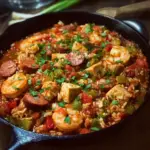
This easy chicken and shrimp jambalaya is a bold, satisfying Creole dish packed with tender chicken, succulent shrimp, vegetables, and perfectly seasoned rice. It’s a one-pot comfort food classic that’s both quick enough for weeknights and impressive enough for guests. With a balance of smoky spices and vibrant herbs, this dish brings the taste of Louisiana straight to your kitchen.
Ingredients
- 1 tablespoon olive oil
- 1 pound chicken breast, diced
- ½ pound shrimp, peeled and deveined
- 1 onion, diced
- 1 green bell pepper, diced
- 1 celery stalk, diced
- 3 cloves garlic, minced
- 1 can (14.5 oz) diced tomatoes
- 1 cup long-grain white rice
- 2 cups chicken broth
- 1 teaspoon paprika
- ½ teaspoon dried thyme
- ½ teaspoon dried oregano
- ½ teaspoon cayenne pepper (adjust to taste)
- Salt and black pepper, to taste
- Fresh parsley, chopped (for garnish)
Instructions
Heat olive oil in a large pot or Dutch oven over medium heat. Add the diced chicken and cook until browned on all sides. Remove and set aside.
In the same pot, add the onion, bell pepper, and celery. Cook until softened, then stir in the garlic and cook for another minute.
Return the chicken to the pot. Add the diced tomatoes, rice, chicken broth, paprika, thyme, oregano, cayenne, salt, and pepper. Stir well to combine.
Bring to a boil, then reduce the heat to low. Cover and simmer for about 20 minutes, or until the rice is tender and most of the liquid is absorbed.
Add the shrimp to the pot, stirring gently. Cover and cook for another 5–7 minutes, or until the shrimp are pink and cooked through.
Fluff the jambalaya with a fork and garnish with chopped parsley before serving.
Notes
-
Use fresh shrimp when possible for the best flavor.
-
For extra heat, add sliced jalapeños or hot sauce.
-
This recipe is naturally gluten-free.
-
Easily double the recipe to feed a crowd or store leftovers.
-
Let the jambalaya rest for 5–10 minutes before serving to allow the flavors to meld.