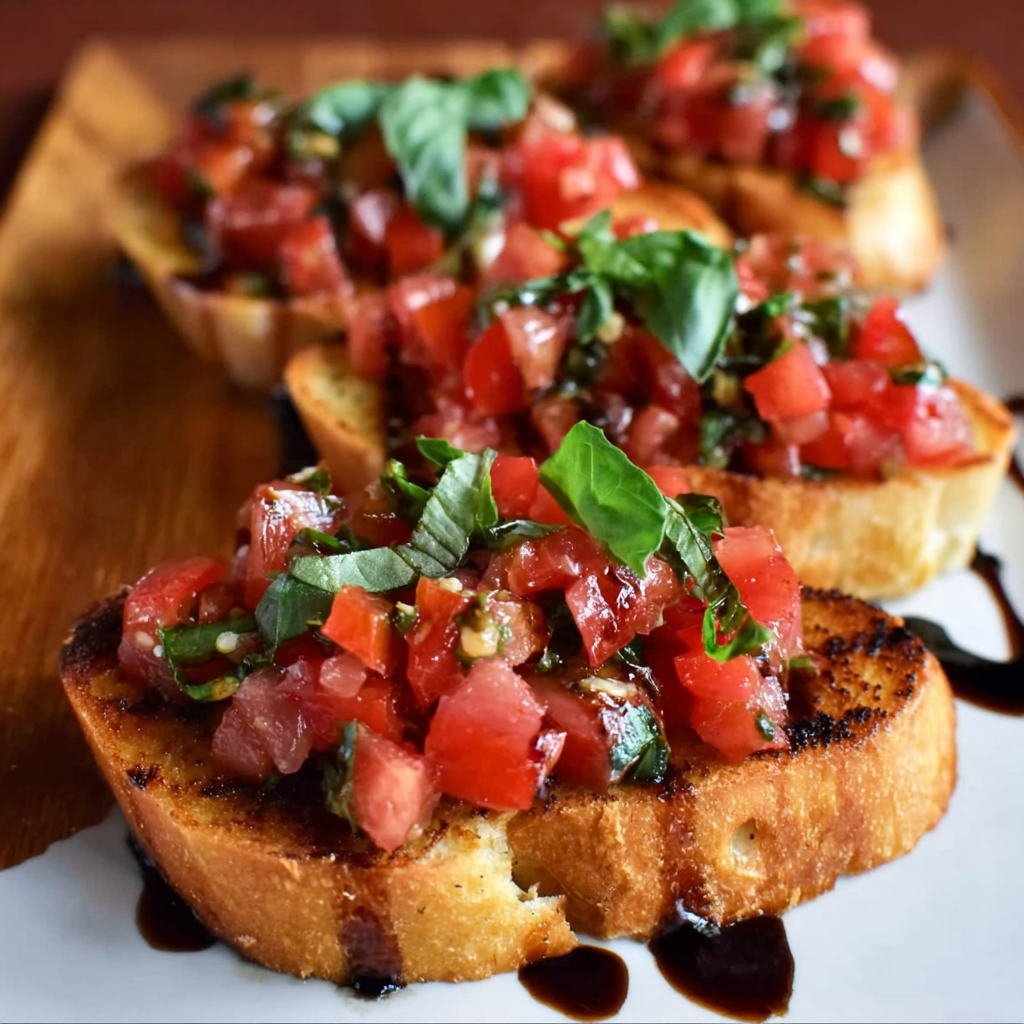
Bruschetta is one of those rare dishes that captures the essence of Italian cuisine in just a few bites. With its crisp, golden bread topped with juicy tomatoes and fragrant basil, it’s no wonder that bruschetta recipes have become a staple in kitchens around the world. But what truly makes this Italian appetizer so iconic?
Whether you’re planning a cozy dinner, hosting a holiday gathering, or simply craving a quick, flavorful snack, this easy bruschetta recipe with fresh tomatoes and basil delivers in every way. It’s incredibly simple, requires only a few fresh ingredients, and bursts with authentic Mediterranean flavor.
Traditionally, bruschetta originated as a way to salvage stale bread by grilling it and topping it with available local ingredients like olive oil, garlic, and seasonal vegetables. According to Wikipedia, the name comes from the Roman dialect verb bruscare, meaning “to toast.” This timeless approach is still loved today for its balance of texture and taste. Pairing toasted bread with fresh tomato and basil not only creates a delightful contrast, but also highlights the simplicity of Italian cooking—one of its most celebrated qualities.
If you’re inspired by traditional Italian dishes, you might enjoy browsing these traditional Italian foods for more culinary ideas. This recipe is also a great starting point for exploring classic antipasto combinations, which you can read more about in this guide to Italian appetizers.
In this article, you’ll discover why this recipe stands out, how to perfect it with insider tips, and how to customize it for any occasion. Let’s explore what makes this the best Italian bruschetta recipe you’ll ever try.
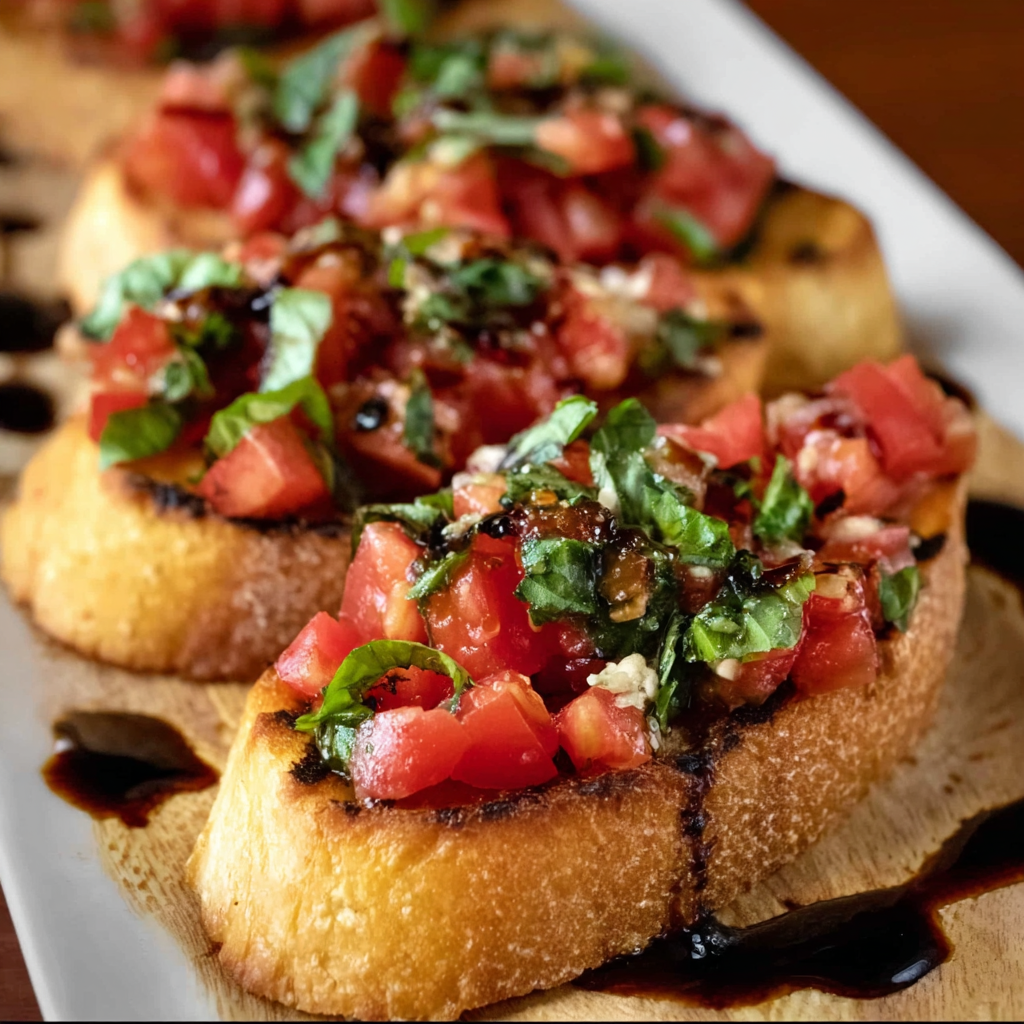
What Is Bruschetta?
Bruschetta is far more than just a tomato-on-toast snack—it’s a classic Italian appetizer with deep cultural roots. The term “bruschetta” refers not to the topping, but to the method of preparing the bread: typically grilled or toasted, rubbed with garlic, and drizzled with olive oil. While many think of the tomato version as the default, there are several regional varieties across Italy that showcase local ingredients.
Historically, bruschetta dates back to Ancient Rome, where olive growers would bring fresh-pressed olive oil to tastings with slices of bread. This simple preparation evolved over centuries, becoming a staple in central Italy, particularly in regions like Tuscany and Lazio. According to Wikipedia’s article on bruschetta, its core elements have remained consistent—grilled bread, garlic, olive oil—but the toppings vary widely by region and season.
Today’s most popular version, especially outside Italy, is bruschetta al pomodoro, made with fresh tomatoes, basil, olive oil, and garlic. Its widespread appeal is due to its refreshing taste, simplicity, and versatility. This dish is especially beloved during the summer months, when tomatoes are at their peak ripeness.
To understand what makes bruschetta so distinct from other appetizers, it helps to compare it to antipasti in general. For example, while a typical antipasto platter might feature cured meats and cheeses, bruschetta focuses on seasonal vegetables and herbs. You can explore other Italian food presentation ideas here to see how bruschetta fits beautifully into a complete Italian spread.
Bruschetta also plays a role in the larger context of Mediterranean diet traditions, thanks to its use of heart-healthy olive oil and fresh vegetables. With its rustic charm and endlessly adaptable base, it remains a perfect canvas for both traditional and creative toppings. Whether served as a starter, a side, or a light main dish, bruschetta remains an essential expression of Italian culinary heritage.
Why This Is the Best Italian Bruschetta Recipe
What sets this Italian bruschetta recipe apart is its dedication to fresh, high-quality ingredients and an authentic method that enhances both texture and flavor. While bruschetta can be made in a variety of ways, this version stays true to its Italian roots while offering a few key upgrades that make it stand out from the rest.
First, the combination of ripe, diced tomatoes with extra virgin olive oil, fresh basil, and minced garlic creates a flavor profile that’s bright, bold, and unmistakably Italian. Letting this mixture sit allows the ingredients to marinate and intensify, which ensures that every bite is packed with flavor. This is what gives the topping its signature freshness and complexity.
Second, the bread is treated with care. Slices of baguette are toasted until golden and crispy, then rubbed with fresh garlic to create a deep, aromatic layer of flavor. This step, while simple, adds depth and makes a huge difference in the final result. For tips on selecting the best olive oil, visit this detailed guide, which breaks down how it influences flavor and health benefits.
The simplicity of the recipe also makes it incredibly adaptable. You can dress it up for holiday parties or keep it rustic for a quick afternoon snack. If you’re curious about different flavor variations, explore more fresh tomato recipes for ideas.
Ultimately, this is the best bruschetta recipe because it hits the perfect balance between ease, flavor, and tradition. It’s a dish that proves you don’t need complicated steps to create something truly delicious.
Ingredients Breakdown
For the Tomato Topping
-
Tomatoes: Use ripe but firm varieties like Roma, cherry, or heirloom tomatoes. These provide the best balance of sweetness and acidity. Avoid watery or overly ripe tomatoes, as they can make the bruschetta soggy.
-
Garlic: Freshly minced garlic is crucial for authentic flavor. Pre-minced garlic lacks the punch and freshness that this recipe demands.
-
Olive Oil: Extra virgin olive oil adds a rich, peppery note that complements the tomatoes and basil. It’s worth using high-quality oil for this recipe. Learn more about its varieties and uses in this article.
-
Balsamic Vinegar: This ingredient adds subtle sweetness and depth. While optional, it enhances the overall flavor complexity.
-
Fresh Basil: Bright, aromatic, and essential. Chop just before serving to preserve its vibrant color and aroma.
-
Salt and Pepper: Season to taste, but don’t skip this step—it brings all the other flavors together.
For more flavor ideas using herbs, check out these kitchen hacks for fresh herbs.
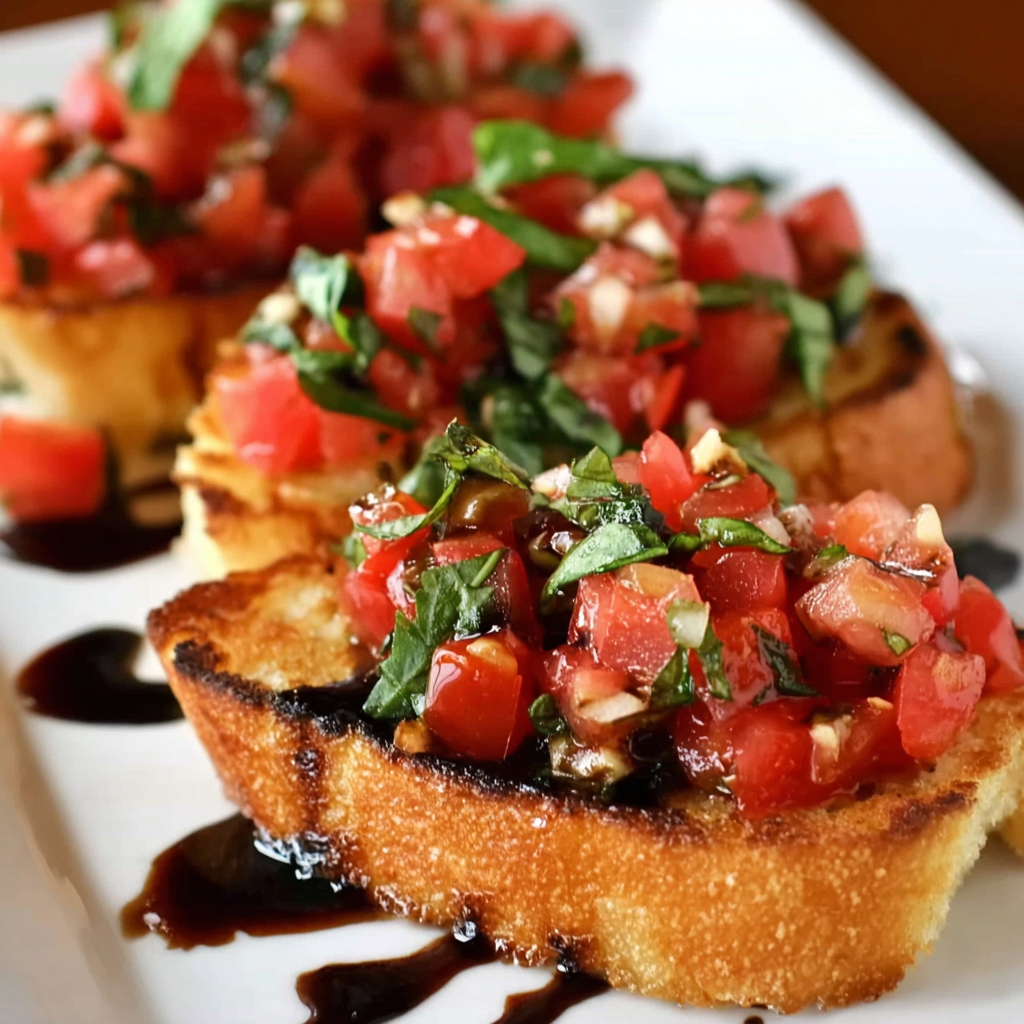
For the Bread Base
-
Baguette: Choose a crusty baguette or rustic Italian bread. Avoid soft sandwich bread, which doesn’t hold up to the moisture of the topping.
-
Olive Oil: Used to coat the bread slices before toasting, giving them a rich golden finish.
-
Garlic Clove: After toasting, rub the cut side of a garlic clove over the bread to infuse it with flavor.
This step-by-step approach ensures that each component of the bruschetta contributes to a well-rounded, delicious bite.
Step-by-Step Instructions (With Pro Tips)
-
Preheat the oven to 400°F (200°C).
-
Dice the tomatoes into small, uniform pieces. This helps them sit well on the bread and prevents slipping.
-
In a bowl, mix the tomatoes with minced garlic, balsamic vinegar, extra virgin olive oil, chopped basil, salt, and pepper. Stir and let sit for 10–15 minutes to allow flavors to meld.
-
Slice the baguette diagonally into ½-inch thick slices for maximum surface area.
-
Brush both sides of the bread lightly with olive oil and place on a baking sheet.
-
Toast in the oven for 5–7 minutes, or until golden and crispy.
-
Remove and rub one side of each slice with a peeled garlic clove while the bread is still warm.
-
Spoon the tomato mixture onto the garlic-rubbed side of each toast just before serving.
Pro Tips:
-
Letting the topping rest enhances flavor.
-
Always add the tomato mixture just before serving to maintain the crispness of the bread.
-
For an extra pop of freshness, sprinkle more chopped basil right before serving.
You can find beautiful serving ideas by browsing Italian food presentation boards.
Common Mistakes to Avoid
-
Using overly ripe tomatoes: They release too much water and make the bread soggy.
-
Skipping the garlic rub: This step adds a subtle but important flavor layer to the bread.
-
Toasting unevenly: Uneven toasting can cause some slices to be chewy or overly crunchy.
-
Not draining excess tomato juice: This is crucial to keeping the bread crisp. Use a slotted spoon to serve the topping.
-
Assembling too early: Always assemble bruschetta right before serving to avoid soggy bread.
Avoiding these mistakes ensures your bruschetta turns out perfect every time.
Variations and Add-Ons
While the traditional tomato and basil combo is beloved, bruschetta is a canvas for creativity. Here are some popular and delicious variations:
-
Add mozzarella or burrata: A creamy cheese layer adds richness and makes it more filling.
-
Roasted red peppers: These add a sweet, smoky dimension to the topping.
-
Sun-dried tomatoes: For a more intense tomato flavor, mix in a few finely chopped sun-dried tomatoes.
-
Avocado slices: A modern twist that adds creaminess and healthy fats.
-
Prosciutto or salami: For meat lovers, a thin slice of cured meat adds a savory punch.
-
Hot honey or chili flakes: These give the dish a sweet-heat contrast that’s incredibly addictive.
Explore other ideas for toppings in this collection of tomato recipe inspiration.
Serving Ideas & Pairings
This bruschetta recipe is incredibly versatile and fits into almost any meal or occasion. Here are a few ways to serve and enjoy it:
-
As an appetizer: Serve before pasta or grilled meats to whet the appetite.
-
At parties: Arrange on a wooden board with other small bites like olives, cheeses, and marinated vegetables.
-
With wine: Pair with a crisp Pinot Grigio, Sauvignon Blanc, or a light Chianti.
-
For lunch: Combine with a side salad for a light, satisfying meal.
-
As part of an antipasto platter: Learn more about Italian antipasti here.
These serving ideas make bruschetta ideal for both casual meals and festive gatherings.
Storage Tips and Make-Ahead Advice
-
Tomato topping: Can be made a few hours in advance and stored in the fridge. Stir well before serving.
-
Toasted bread: Can be prepared the day before. Store in an airtight container at room temperature.
-
Do not assemble ahead of time: Combine the bread and topping only at the last minute to avoid sogginess.
With proper prep, this recipe is great for entertaining without the stress.
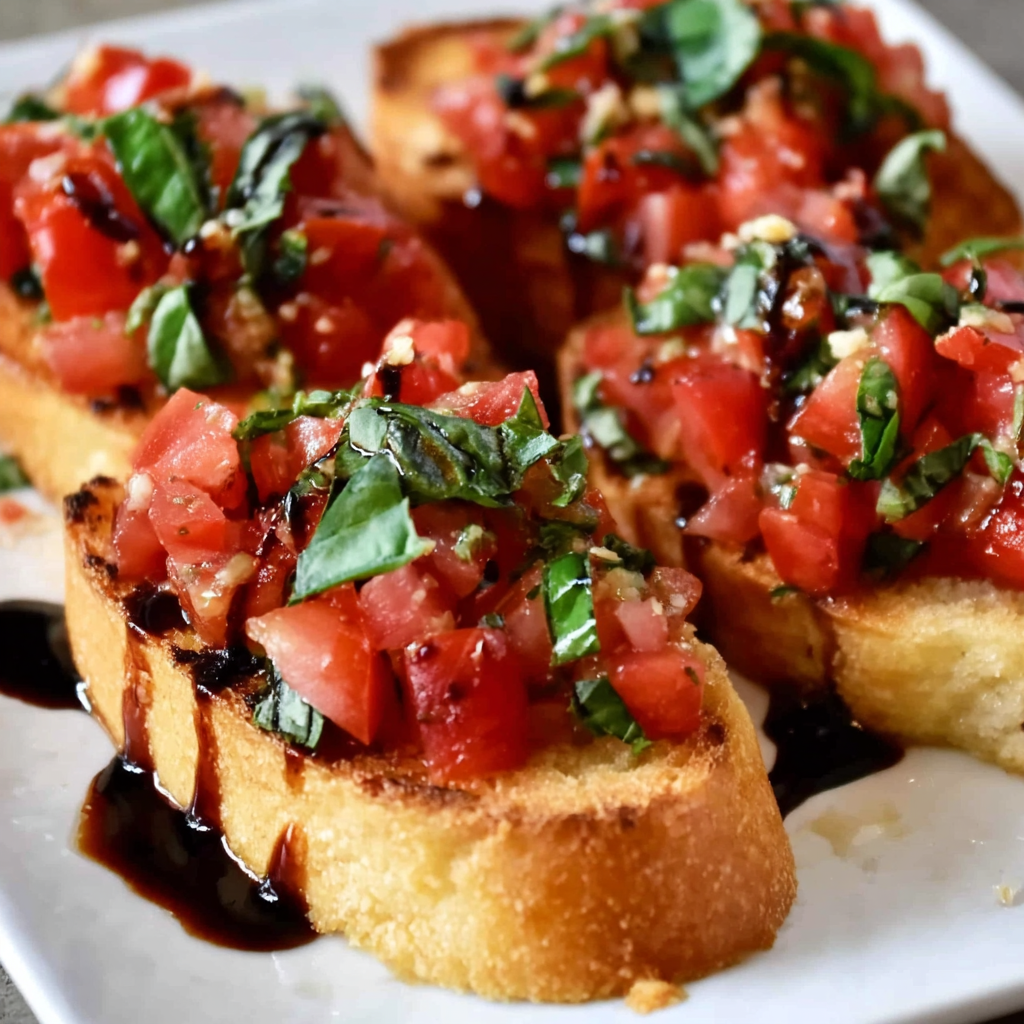
Frequently Asked Questions (FAQs)
Can you make bruschetta ahead of time?
You can prepare the topping and toast the bread in advance, but always assemble just before serving to keep the texture perfect.
What’s the best bread for bruschetta?
A crusty baguette or Italian loaf like ciabatta is ideal. Avoid bread that’s too soft, as it won’t support the toppings.
Is bruschetta served warm or cold?
It’s typically served with warm toast and room-temperature topping. The contrast in temperature enhances the flavors.
Can bruschetta be made without balsamic vinegar?
Yes, balsamic vinegar is optional. The tomatoes, garlic, and olive oil are flavorful enough on their own.
How do you prevent bruschetta from getting soggy?
Drain excess juice from the tomato mixture and add the topping only right before serving.
Easy Bruschetta Recipe with Fresh Tomatoes and Basil
This easy bruschetta recipe features a classic combination of fresh diced tomatoes, garlic, basil, and extra virgin olive oil on top of crispy toasted bread. Simple to make, yet packed with vibrant flavor, it’s the perfect Italian appetizer for parties, snacks, or weeknight meals. With tips on ingredients, toasting, and topping, this recipe ensures every bite is delicious and authentic.
- Author: Clara
Ingredients
For the topping:
- 4 ripe tomatoes, diced
- 2 cloves garlic, minced
- 1 tablespoon balsamic vinegar
- 2 tablespoons olive oil
- 1/4 cup fresh basil leaves, chopped
- Salt and pepper to taste
For the bread:
- 1 baguette, sliced
- 2 tablespoons olive oil
- 1 clove garlic, peeled
Instructions
Preheat the oven to 400°F (200°C).
In a bowl, combine the diced tomatoes, minced garlic, balsamic vinegar, olive oil, chopped basil, salt, and pepper. Stir and let sit to allow the flavors to blend.
Place the baguette slices on a baking sheet and brush both sides lightly with olive oil.
Toast the bread slices in the oven for 5–7 minutes or until golden and crisp.
Remove the toasted bread from the oven and rub one side of each slice with the peeled garlic clove.
Spoon the tomato mixture onto each slice just before serving.
Serve immediately for best texture and flavor.
Notes
-
Use the ripest tomatoes you can find for the best flavor.
-
Allow the tomato mixture to rest for 10–15 minutes before serving to enhance taste.
-
Rubbing garlic on the toasted bread adds a mild, aromatic flavor that makes a big difference.
-
If you prefer a tangier flavor, add a bit more balsamic vinegar.
-
Always toast the bread thoroughly to avoid sogginess when topped.
-
This recipe is vegetarian and can be made vegan by ensuring your bread is dairy-free.