1.Cowboy Butter Turkey
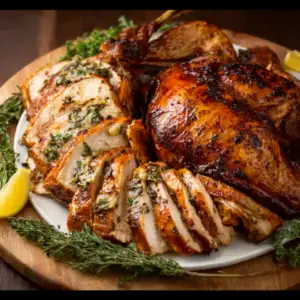
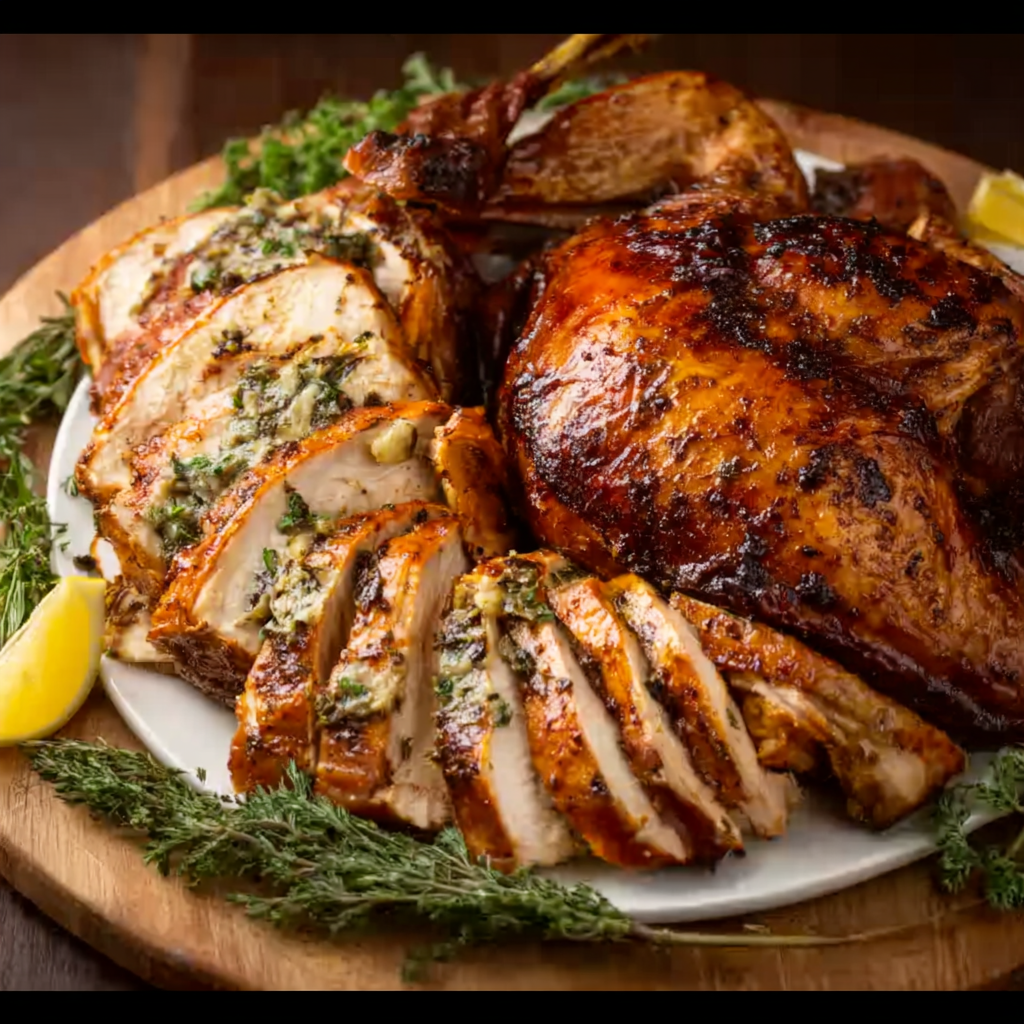
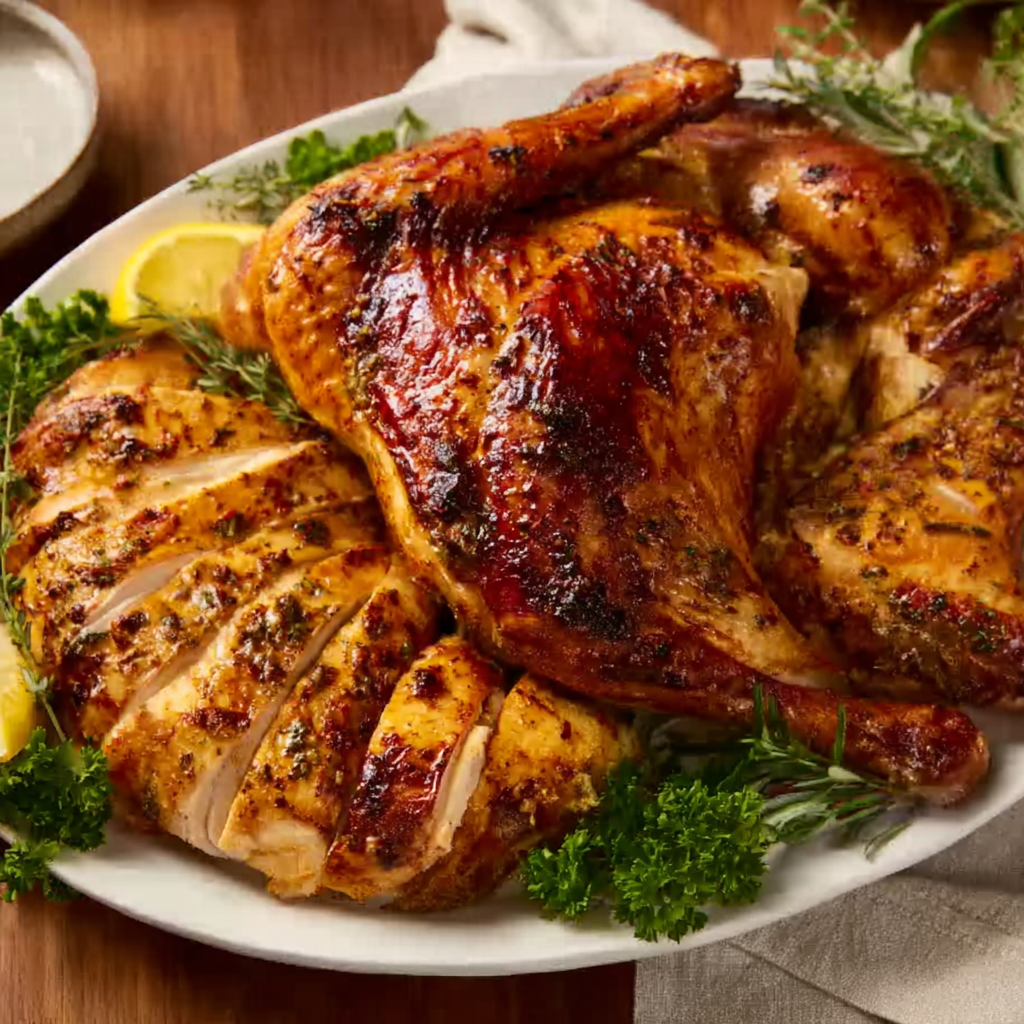
Crispy-skinned, juicy, and full of bold flavors, Cowboy Butter Turkey is not your average roasted bird. It’s a garlic herb butter roast infused with cowboy butter — a savory blend of melted butter, garlic, mustard, lemon, and spices that delivers intense flavor in every bite. Whether you’re prepping for a cozy weeknight meal or an unforgettable holiday centerpiece, this turkey recipe offers a bold twist on tradition.
What makes cowboy butter turkey stand out is the perfect combination of herbaceous richness and just the right amount of heat. Unlike classic butter-basted roasts, this recipe introduces a more dynamic flavor profile. The Dijon mustard, lemon juice, and red pepper flakes in the cowboy butter enhance the turkey’s natural flavors while locking in moisture during cooking.
This dish pairs beautifully with classic sides like green beans, garlic mashed potatoes, and cornbread. You can also use the leftover cowboy butter as a dipping sauce, giving every slice of turkey an extra gloss and burst of flavor. To understand how this garlic-forward butter came to be, check out the history of butter and its culinary uses across cultures. For modern meal inspiration, this garlic herb butter recipe can spark ideas for experimenting with your own version of cowboy butter.
If you’re looking for a new take on smoked turkey or simply want a roast that guarantees moist, flavorful meat, cowboy butter turkey is the bold choice. It’s also incredibly versatile — excellent served hot from the oven or smoked low and slow for even deeper flavor.
2. What is Cowboy Butter?
Cowboy butter is a rich, compound butter blend that combines melted butter with Dijon mustard, fresh garlic, lemon juice, chopped herbs, and warming spices like paprika and crushed red pepper flakes. This flavor-packed sauce originated as a dipping condiment for steak but has become a versatile favorite for everything from vegetables to poultry.
At its core, cowboy butter brings together tangy, spicy, and savory elements in one glossy, golden mixture. The butter base carries the flavor, while the garlic and parsley add freshness. The heat from red pepper flakes and the tang of mustard give it a bold finish. This balance of flavors is why it pairs so well with lean meats like turkey breast and tenderloin.
For those curious about the science behind this flavor enhancer, read more about Dijon mustard and how it boosts umami in dishes. Cowboy butter has evolved beyond just a steak sauce — its ingredients are similar to classic herb butters, but with a rustic, spiced edge. On Pinterest, you’ll find dozens of smoked turkey recipe inspirations that use variations of this butter to elevate the flavor.
Use it as a basting liquid, dipping sauce, or finishing glaze. Its melty texture clings to meats, vegetables, and even breads, making it an ideal upgrade for everything from roasts to grilling. When brushed over smoked or roasted turkey, it adds moisture and an unbeatable
3. Key Ingredients Breakdown
A. Cowboy Butter Ingredients
Creating cowboy butter starts with high-quality ingredients that work in harmony. The base is unsalted butter, which provides a creamy canvas for bold flavors. Melted butter allows for easier mixing and ensures an even coating on the turkey. The addition of Dijon mustard brings a slight tanginess that cuts through the richness. A quick glance at Dijon mustard’s history shows its long-standing place in French cuisine, prized for its smooth texture and sharp bite.
Fresh garlic is crucial — its pungency mellows as it cooks, becoming sweet and aromatic. Lemon juice adds acidity, balancing the fat and enhancing the natural flavor of the turkey. Fresh parsley, finely chopped, provides a pop of herbal freshness and color. Paprika contributes a gentle smokiness and vibrant color, while crushed red pepper flakes offer a subtle kick, which can be adjusted to taste.
Finally, salt and black pepper round out the flavor profile, bringing all the elements together. This blend creates a sauce that’s savory, tangy, herbaceous, and a little spicy — perfect for elevating simple proteins like turkey.
B. Turkey Cut Options
When selecting the turkey for this recipe, focus on boneless turkey breast or turkey tenderloin. These cuts are lean, cook faster than a whole bird, and are easier to manage in smaller kitchens. Boneless turkey breast has a more uniform shape, making it ideal for even roasting, while tenderloin is smaller and more delicate, perfect for quick meals.
Choosing a high-quality, fresh turkey breast ensures better texture and flavor. Look for cuts without excess water or preservatives. According to Turkey as food, turkey breast is a popular source of lean protein with fewer calories and less fat than other cuts.
Whether roasting or smoking, both cuts absorb the flavors of the cowboy butter well, remaining juicy inside while developing a flavorful crust on the outside. For added inspiration, check out this Pinterest turkey guide for creative holiday uses.
4. Prepping the Turkey for Cowboy Butter Roast
Proper preparation is key to achieving crispy skin and juicy meat. Begin by patting the turkey dry with paper towels — this step is essential for helping the seasoning and butter stick, and for promoting a good sear. Once the surface is dry, season the turkey generously with salt and pepper on all sides.
Next, heat a skillet with olive oil over medium-high heat. Once hot, sear the turkey for 2–3 minutes per side. This step is optional but highly recommended. Searing develops a golden crust that locks in moisture and adds flavor through the Maillard reaction. It also reduces roasting time and adds depth to the final dish.
After searing, transfer the turkey to a foil-lined baking dish. Brushing with the cowboy butter at this stage ensures that the flavors seep into the meat as it roasts. Reserve a portion of the sauce for drizzling before serving. This dual use of cowboy butter — as a marinade and a finishing glaze — is what makes this dish truly stand out. If you plan to smoke the turkey, these prep steps remain the same, as they help build the base for flavorful, juicy meat.
5. How to Make Cowboy Butter Sauce
Making the cowboy butter sauce is quick and straightforward. Start by melting ½ cup of unsalted butter in a small saucepan or microwave. Once melted, whisk in 1 tablespoon Dijon mustard, 1 tablespoon lemon juice, and 2 minced garlic cloves. These ingredients provide the tangy, sharp, and aromatic foundation.
Next, add 1 tablespoon chopped fresh parsley, ½ teaspoon paprika, ½ teaspoon crushed red pepper flakes, and a pinch of salt and black pepper. Whisk until the mixture is fully combined and smooth. The sauce should be glossy and fragrant, with visible flecks of herbs and spices.
To prevent the sauce from separating, whisk continuously if using a saucepan, or microwave in short intervals. If you’re making it ahead of time, store it in an airtight container in the refrigerator and reheat gently before use. Cowboy butter can also be used in other recipes, from grilled meats to vegetables.
For a better understanding of the key spices, explore Paprika and Parsley on Wikipedia to see how these herbs contribute both color and flavor. You can also experiment by adding other herbs like thyme or rosemary, depending on your personal preference.
6. Roasting Instructions for Cowboy Butter Turkey
Begin by preheating your oven to 375°F (190°C) and lining a baking dish with foil or lightly greasing it. Once your turkey is prepped and brushed with cowboy butter, place it in the dish and roast uncovered.
The roasting time will vary based on thickness, but generally takes 25–35 minutes. Use a meat thermometer to ensure the internal temperature reaches 165°F (74°C). You can read more about safe poultry temperatures from this guide on cooking temperature.
Midway through roasting, brush the turkey again with more cowboy butter to enhance moisture and flavor. This step helps form a flavorful crust and ensures the herbs and spices cook into the outer layer. If your turkey is browning too quickly, cover loosely with foil.
Once roasted, remove the turkey and let it rest for 5–10 minutes. Resting is essential to allow juices to redistribute throughout the meat. Slice the turkey and drizzle with the reserved cowboy butter just before serving for that signature glossy finish. For added flavor ideas, refer to this garlic herb butter inspiration.
7. Optional: Smoked Cowboy Butter Turkey Method
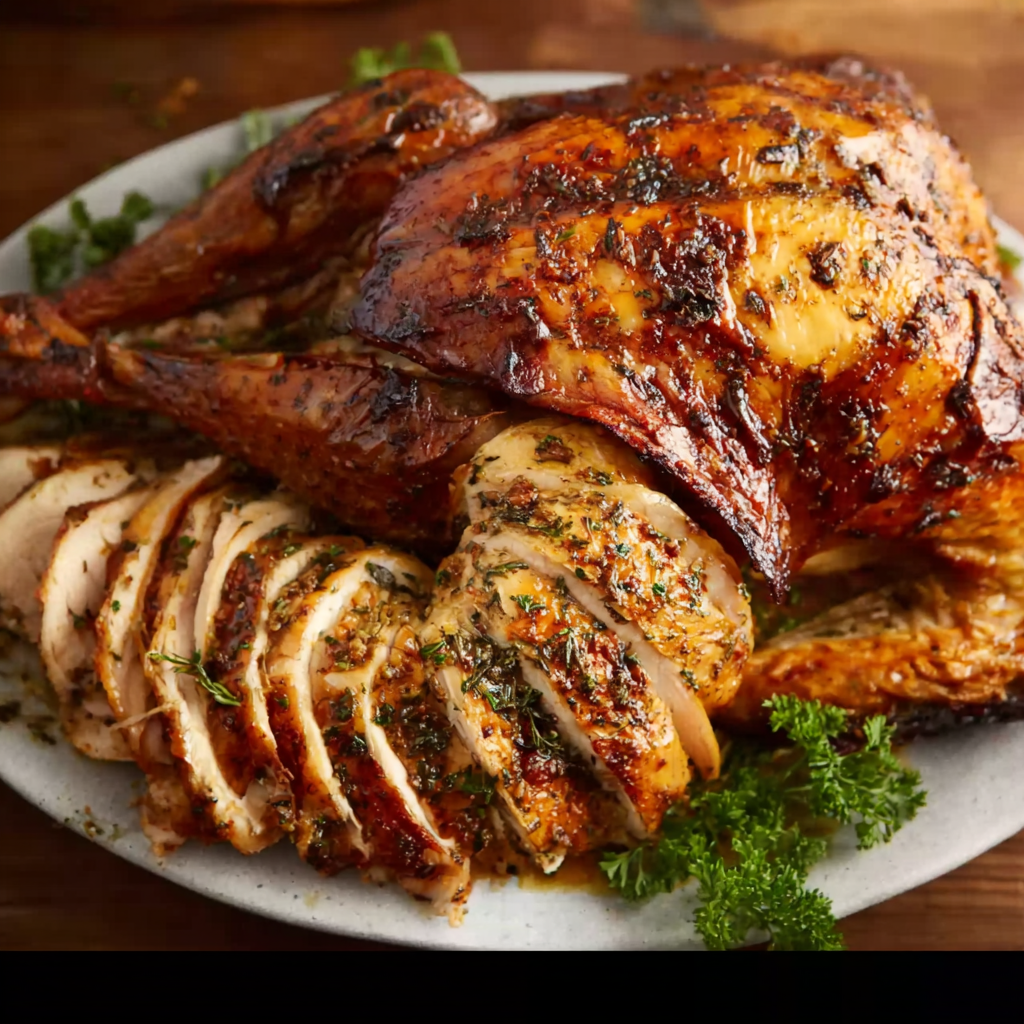
To add a smoky twist, you can smoke the turkey instead of roasting it. This method works well for boneless cuts and adds deep, earthy flavor that complements the cowboy butter. Start by prepping your smoker to 225°F (107°C). Use wood chips like hickory, applewood, or mesquite for enhanced flavor. See more about smoking techniques on Smoking (cooking).
Before placing the turkey in the smoker, brush it generously with cowboy butter. Smoke low and slow for 2–3 hours, depending on the size of your cut, until the internal temperature reaches 165°F. Baste with additional cowboy butter every 30–45 minutes for moisture and flavor.
Once finished, rest the turkey as you would a roast, and drizzle with warm cowboy butter before serving. Smoking creates a slightly crisp exterior and juicy center, perfect for sandwiches or hearty dinners. Explore smoked turkey recipes on Pinterest for more serving ideas.
8. Serving Suggestions
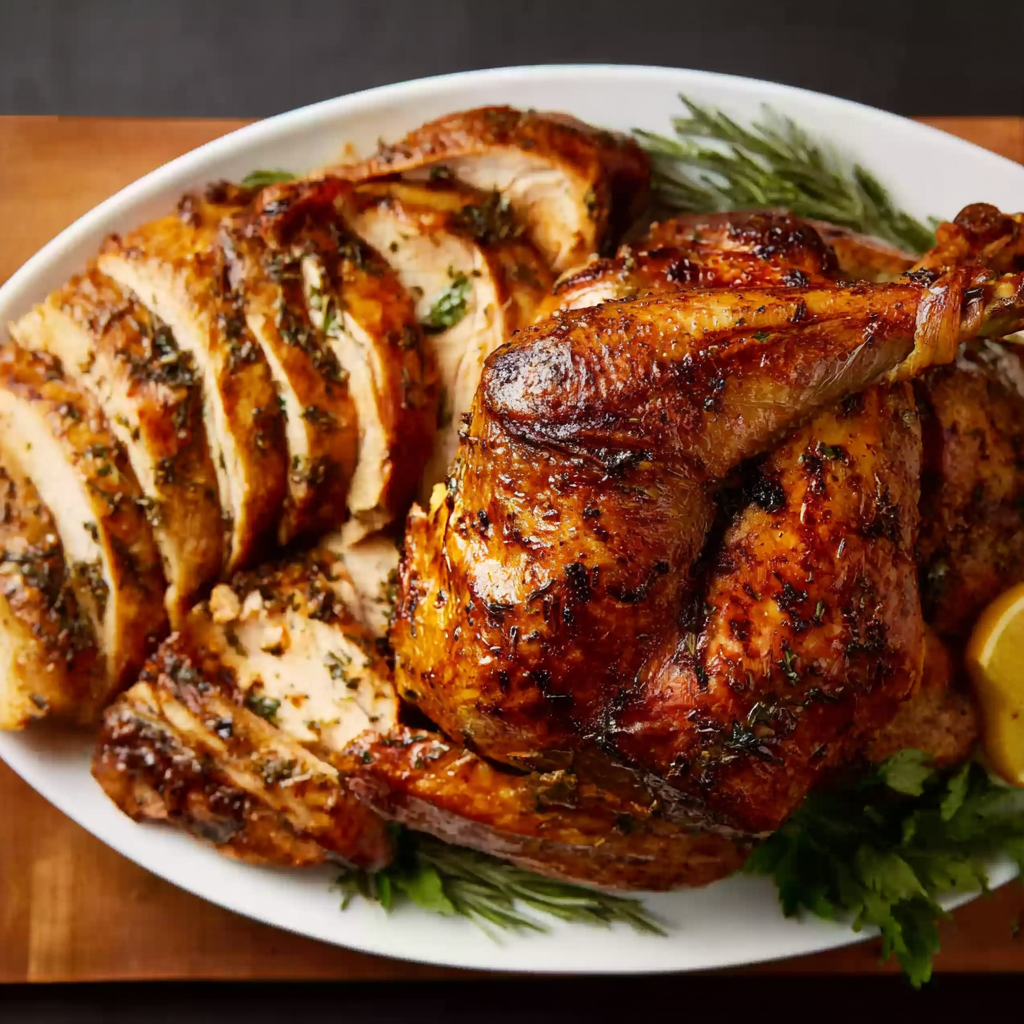
When it’s time to serve, slice the turkey into thin, even pieces against the grain to preserve tenderness. Arrange on a platter and drizzle with remaining warm cowboy butter for extra shine and flavor. Garnish with fresh parsley or lemon wedges for a vibrant presentation.
To keep turkey warm during serving, tent it with foil or place the platter over a warm surface. Consider serving the dipping sauce in a small ramekin on the side, allowing guests to customize their bites.
Cowboy butter turkey pairs well with a range of sides. Try classic options like garlic mashed potatoes, roasted vegetables, or green beans with a squeeze of lemon for brightness. For special occasions, add cornbread or skillet biscuits to complement the rustic flavors.
9. Best Side Dishes for Cowboy Butter Turkey
This bold-flavored turkey benefits from pairing with both classic and creative sides. Some delicious options include:
-
Garlic mashed potatoes – creamy and rich, they soak up the cowboy butter beautifully
-
Roasted green beans with lemon zest – light and refreshing
-
Buttery cornbread – its slightly sweet flavor balances the savory turkey
-
Skillet biscuits – perfect for scooping up leftover sauce
-
Creamed spinach or roasted Brussels sprouts – earthy greens enhance the richness
-
Cranberry sauce – a tart contrast that complements the spice in the cowboy butter
For inspiration, browse holiday side dish ideas to find pairings that suit your taste.
10. How to Use Leftovers Creatively
Cowboy butter turkey leftovers are incredibly versatile. Consider these ideas:
-
Make turkey sandwiches or sliders with melted cheese and extra dipping sauce
-
Chop and toss into green salads or wraps for a protein boost
-
Add to hash with potatoes and onions for breakfast
-
Stir into soups or casseroles for easy, flavorful meals
-
Freeze in portioned bags for future meals
Leftover turkey stores well in an airtight container in the fridge for up to 4 days or in the freezer for 2–3 months. Reheat gently in the oven or skillet to maintain texture.
11. Cowboy Butter Variations to Try
Customize cowboy butter to suit different flavor profiles:
-
Add grated Parmesan for a cheesy, umami kick
-
Swap Dijon mustard for horseradish for a spicier edge
-
Use rosemary or thyme instead of parsley for a woodsy flavor
-
Add a teaspoon of honey for a sweet-savory balance
-
Mix in smoked paprika for deeper smokiness
These variations let you tailor the sauce for steak, chicken, seafood, or veggies.
12. FAQs – People Also Ask
Q1: What does cowboy butter taste like?
Cowboy butter has a rich, garlicky, and tangy taste with fresh herbs and a touch of heat. It’s bold and creamy with a slightly spicy finish.
Q2: Can I use cowboy butter on other meats?
Yes, cowboy butter is excellent on steak, chicken, shrimp, and even vegetables. It adds flavor and moisture to any grilled or roasted item.
Q3: How do I keep turkey breast from drying out?
Don’t overcook it — use a meat thermometer and remove the turkey at 165°F. Basting with cowboy butter also helps retain moisture.
Q4: Is cowboy butter spicy?
It has a mild kick from red pepper flakes, but you can adjust the amount or omit them entirely to suit your preference.
Q5: What’s the best way to reheat cooked turkey breast?
Reheat gently in the oven at 300°F covered with foil, or on the stovetop with a splash of broth or butter to maintain moisture.
Q6: Can I make cowboy butter ahead of time?
Yes. Make it up to 3 days ahead and store in the fridge. Reheat gently before using.
Q7: Can I grill instead of roast or smoke the turkey?
Absolutely. Grill over medium heat, flipping halfway through, and baste with cowboy butter throughout cooking for delicious results.
Cowboy Butter Turkey The Bold Garlic Herb Butter Roast
Smoky, juicy, and packed with bold flavors, Cowboy Butter Turkey is a garlic herb roast like no other. Bathed in a rich, spicy cowboy butter sauce made with Dijon mustard, garlic, and herbs, this turkey is roasted or smoked to perfection and served with extra butter for dipping. It’s perfect for holidays or hearty weeknight dinners and pairs beautifully with classic sides like mashed potatoes and cornbread.
- Author: Clara
Ingredients
For the cowboy butter:
- 1/2 cup unsalted butter, melted
- 1 tbsp Dijon mustard
- 1 tbsp lemon juice
- 2 cloves garlic, minced
- 1 tbsp chopped fresh parsley
- 1/2 tsp paprika
- 1/2 tsp crushed red pepper flakes (optional)
- 1/4 tsp salt
- 1/4 tsp black pepper
For the turkey:
- 1 ½ to 2 lbs boneless turkey breast or turkey tenderloin
- 1 tbsp olive oil
- Salt and pepper to taste
Instructions
- Preheat oven to 375°F (190°C). Line a baking dish with foil or lightly grease it.
- In a small bowl, whisk together the melted butter, Dijon mustard, lemon juice, garlic, parsley, paprika, red pepper flakes, salt, and black pepper. Set aside.
- Pat the turkey dry with paper towels. Season all over with salt and pepper.
- In a skillet over medium-high heat, heat the olive oil. Sear the turkey for 2–3 minutes per side until lightly browned.
- Transfer the turkey to the prepared baking dish. Brush generously with the cowboy butter sauce, reserving some for later.
- Bake uncovered for 25–35 minutes (depending on thickness), or until the internal temperature reaches 165°F (74°C).
- Remove from the oven and let the turkey rest for 5–10 minutes before slicing.
- Drizzle with the remaining cowboy butter sauce before serving.
Notes
-
Use a meat thermometer to prevent overcooking — aim for 165°F internal temperature.
-
Patting the turkey dry before searing helps create a crisp crust.
-
For milder heat, reduce or omit red pepper flakes.
-
Reserve extra cowboy butter for drizzling or dipping at the table.
-
Cowboy butter can be made ahead and refrigerated, then reheated for serving.